Cats
Potentially toxicConsulted references classify the plant as toxic or irritating for that pet type.
Verified against ASPCA/provenance audit 2026-05-06 on May 6, 2026.
Sources
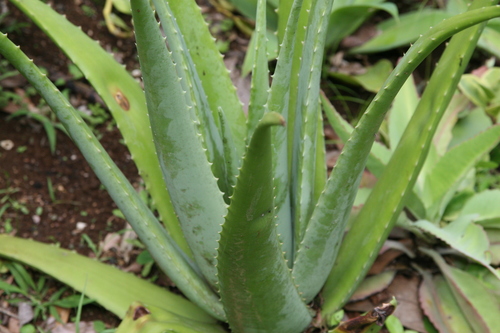
Aloe barbadensis
Barbados Aloe is a popular succulent known for its medicinal gel, but it contains compounds that can cause digestive distress if ingested by pets. It is best kept out of reach of curious cats and dogs.
Safety status
Cats
Potentially toxicConsulted references classify the plant as toxic or irritating for that pet type.
Verified against ASPCA/provenance audit 2026-05-06 on May 6, 2026.
Sources
Cats — true aloe (Barbados aloe) is toxic. The yellow latex layer just under the leaf skin contains saponins and anthraquinone glycosides that act as a strong purgative and irritate the gut lining. The clear inner gel is much less concerning than the latex, but cats that bite through a leaf get both.
Vomiting (sometimes frothy) is usually the first sign, often followed by diarrhea, lethargy, and refusal to eat. A red or brown tinge to the urine from anthraquinone metabolites is a characteristic later sign. Tremors are uncommon but reported with heavier ingestions.
Signs typically begin 30 minutes to 12 hours after ingestion. With supportive care most cats recover in 24–72 hours; outcomes are best when treatment starts within the first 4 hours.
Call your vet or ASPCA Animal Poison Control (888-426-4435) if vomiting or diarrhea is repeated, your cat is lethargic or refusing food, or you notice any change in urine color. For a known large ingestion, call before symptoms appear — earlier care is materially better.
Remove any plant material from the cat's mouth and rinse it gently with water if you can. Do not induce vomiting at home — call your vet or ASPCA APCC for instructions before giving anything by mouth.
Sources: ASPCA, Pet Poison Helpline.
If a pet has chewed or swallowed plant material and is showing symptoms, contact a veterinarian or poison resource immediately. This product is for structured reference, not diagnosis.
Cats — concern notes
Common signs
Vomiting, diarrhea, lethargy, and changes in urine color.
Escalation note
Ingestion can lead to gastrointestinal irritation. Please contact your veterinarian if you suspect your cat has consumed any part of this plant.
Safer alternatives
No hand-picked alternatives for this plant yet. You can still pick your own using the Compare button on any other plant.
ASPCA Toxic Plant List
toxicology · 99% reliability
Aloe vera contains anthraquinone glycosides which can cause vomiting and diarrhea in dogs and cats.
Yes, Barbados Aloe is classified as potentially toxic to cats. Ingestion can cause gastrointestinal irritation, and the plant should be kept out of reach of curious cats.
The most common signs are vomiting (sometimes frothy) and diarrhea, usually appearing within 30 minutes to 12 hours of ingestion, followed by lethargy and refusal to eat. A red or brown tinge to the urine — caused by anthraquinone metabolites — is a characteristic later sign. Tremors are uncommon but have been reported with heavier ingestions.
Remove any plant material from your cat's mouth and rinse gently with water if you can. Do not induce vomiting at home — call your vet or the ASPCA Animal Poison Control Center at (888) 426-4435 for instructions before giving anything by mouth. For a known large ingestion, call before symptoms appear, since earlier care leads to materially better outcomes.
Signs typically begin within 30 minutes to 12 hours after ingestion. With supportive care, most cats recover within 24–72 hours; outcomes are best when treatment starts within the first 4 hours of ingestion.
Same cat verdict
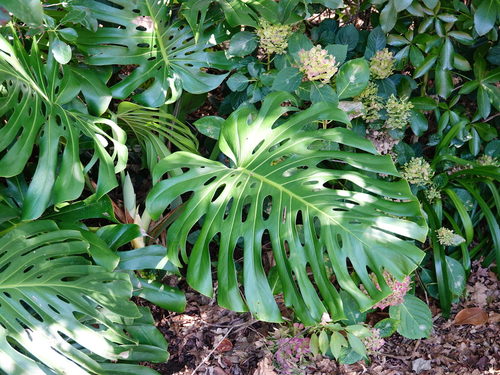
Monstera deliciosa is a popular tropical houseplant known for its large, fenestrated leaves and vining growth habit. It contains insoluble calcium oxalate crystals that can cause irritation if ingested by pets.
Potentially toxic for cats & dogs.
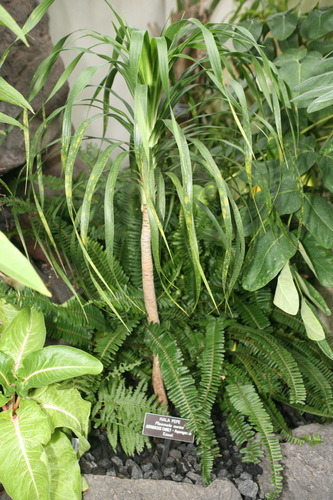
Dracaena trifasciata is a popular, hardy houseplant known for its stiff, sword-like leaves with striking yellow margins. It is widely appreciated for its air-purifying qualities and ability to thrive in various indoor conditions.
Potentially toxic for cats & dogs.
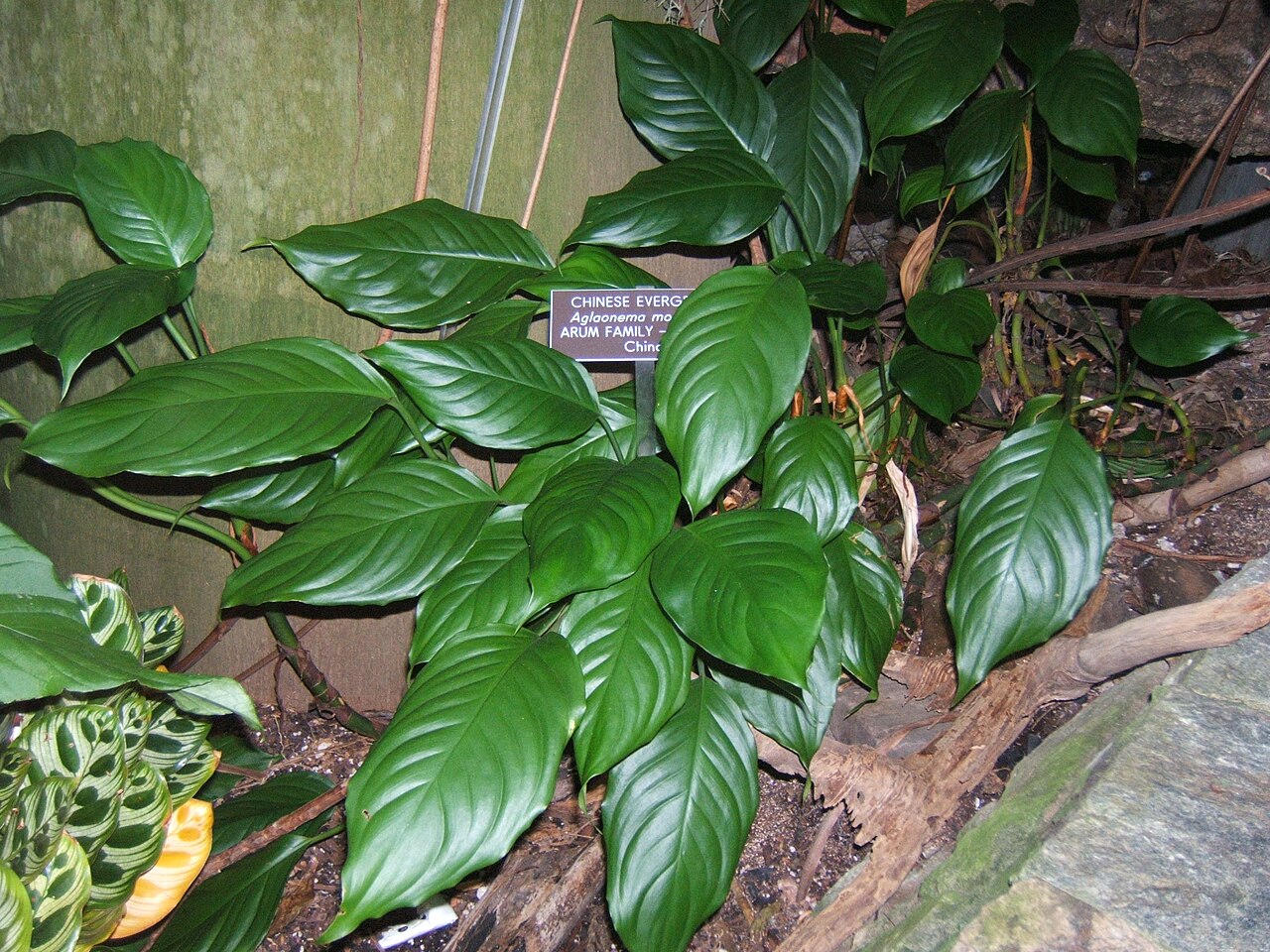
Chinese Evergreen is a popular indoor foliage plant known for its patterned leaves and tolerance of low light conditions. It contains insoluble calcium oxalate crystals that can cause irritation if ingested or chewed.
Potentially toxic for cats & dogs.
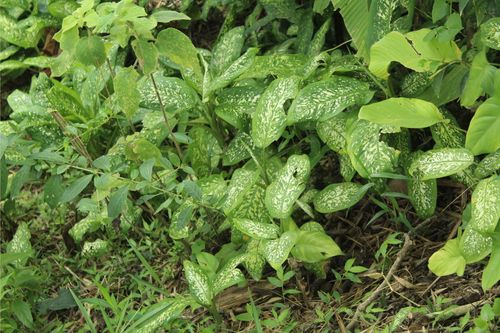
Dieffenbachia is a popular tropical houseplant known for its large, variegated leaves. It contains insoluble calcium oxalate crystals that can cause irritation if ingested or chewed.
Potentially toxic for cats & dogs.