Dogs
Potentially toxicConsulted references classify the plant as toxic or irritating for that pet type.
Verified against ASPCA/provenance audit 2026-05-06 on May 6, 2026.
Sources
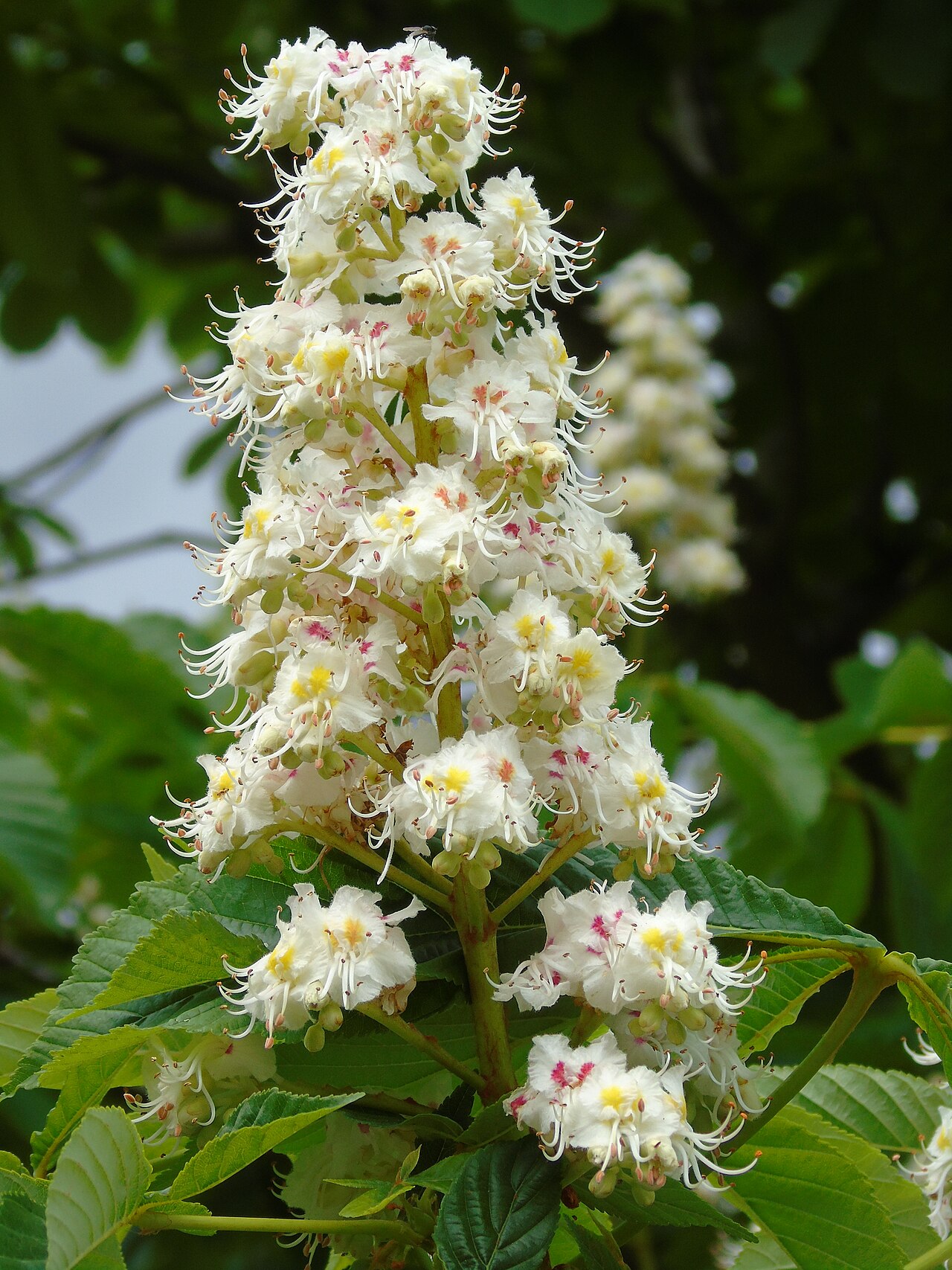
Aesculus spp
Buckeye trees and shrubs contain toxic glycosides and saponins that affect the gastrointestinal and nervous systems. All parts of the plant, especially the seeds and leaves, are considered poisonous if ingested.
Safety status
Dogs
Potentially toxicConsulted references classify the plant as toxic or irritating for that pet type.
Verified against ASPCA/provenance audit 2026-05-06 on May 6, 2026.
Sources
Dogs that bite into buckeye nuts, leaves, or twigs can develop fast-moving GI upset and, with larger doses, neurologic signs caused by the plant's saponins (notably aesculin). Treat any swallowed material as a vet call - dogs sometimes look fine for the first hour or two even after a meaningful ingestion.
Drooling, vomiting, and diarrhea are the most common early signs in dogs (Pet Poison Helpline). Larger ingestions can progress to 'walking drunk' incoordination, depression or excitement/agitation, dilated pupils, muscle twitching, and seizures (ASPCA + Pet Poison Helpline).
Pet Poison Helpline and ASPCA do not publish specific onset or recovery windows for canine buckeye toxicosis; assume rapid GI signs are possible within hours and that any neurologic signs warrant immediate emergency care.
Call your vet or Pet Poison Helpline (855-764-7661) right away if your dog chewed buckeye nuts or foliage - even a small ingestion warrants the call. Go straight to an emergency clinic if you see staggering, weakness, tremors, agitation, or seizures.
Per Pet Poison Helpline's buckeye article: stay calm, clear any remaining plant material from your dog's mouth and the surrounding area, and call a vet, emergency clinic, or Pet Poison Helpline (855-764-7661) before giving food, water, or anything else by mouth.
Sources: ASPCA, Pet Poison Helpline.
If a pet has chewed or swallowed plant material and is showing symptoms, contact a veterinarian or poison resource immediately. This product is for structured reference, not diagnosis.
Dogs — concern notes
Common signs
Vomiting, diarrhea, excessive salivation, lethargy, and potential neurological impairment such as tremors or weakness.
Escalation note
The toxins in buckeye can cause rapid onset of illness. Seek immediate veterinary attention if your dog has consumed any part of this plant.
Safer alternatives
No hand-picked alternatives for this plant yet. You can still pick your own using the Compare button on any other plant.
ASPCA Toxic Plant List
toxicology · 99% reliability
Buckeye is listed as toxic to both cats and dogs due to the presence of aesculin and other saponins.
NC State Extension Plant Toolbox
botanical · 94% reliability
Aesculus species are known to be poisonous to humans and animals if ingested.
Yes, buckeye (Aesculus spp.) is toxic to dogs. All parts of the plant — especially the seeds (nuts) and leaves — contain toxic glycosides and saponins that affect the gastrointestinal and nervous systems. Even a small ingestion warrants a call to your vet or Pet Poison Helpline (855-764-7661).
Early signs include drooling, vomiting, diarrhea, excessive salivation, and lethargy. Larger ingestions can progress to 'walking drunk' incoordination, depression or agitation, dilated pupils, muscle twitching, and seizures. GI signs can appear within hours of ingestion.
Stay calm, clear any remaining plant material from your dog's mouth, and call your vet, an emergency clinic, or Pet Poison Helpline (855-764-7661) before giving food, water, or anything else by mouth. Do not wait for symptoms to appear — rapid onset of illness is possible. If you see staggering, tremors, or seizures, go straight to an emergency clinic.
All parts of the buckeye are considered poisonous, but the seeds (nuts) and leaves carry the highest concentration of toxins. The toxic agents are glycosides and saponins, which disrupt both the gastrointestinal and nervous systems. There is no safe part of this plant for dogs to chew or ingest.
Same dog verdict
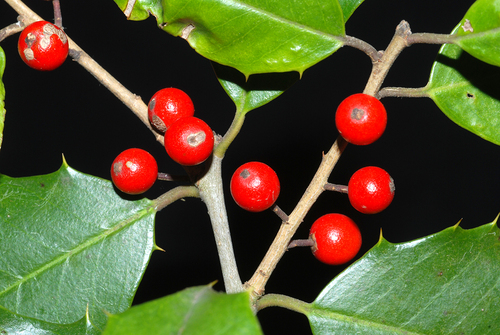
American Holly is an evergreen shrub or tree known for its spiny, glossy leaves and bright red berries. While ornamental, the plant contains compounds that can cause gastrointestinal distress if ingested by pets.
Potentially toxic for cats & dogs.
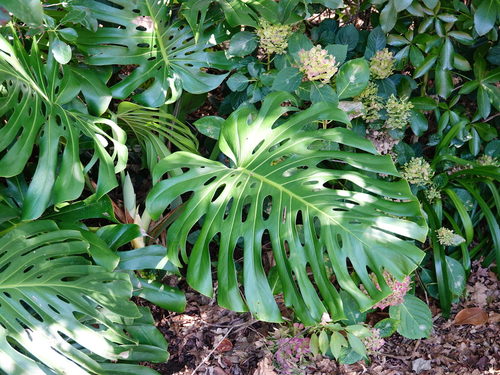
Monstera deliciosa is a popular tropical houseplant known for its large, fenestrated leaves and vining growth habit. It contains insoluble calcium oxalate crystals that can cause irritation if ingested by pets.
Potentially toxic for cats & dogs.

Dracaena trifasciata is a popular, hardy houseplant known for its stiff, sword-like leaves with striking yellow margins. It is widely appreciated for its air-purifying qualities and ability to thrive in various indoor conditions.
Potentially toxic for cats & dogs.
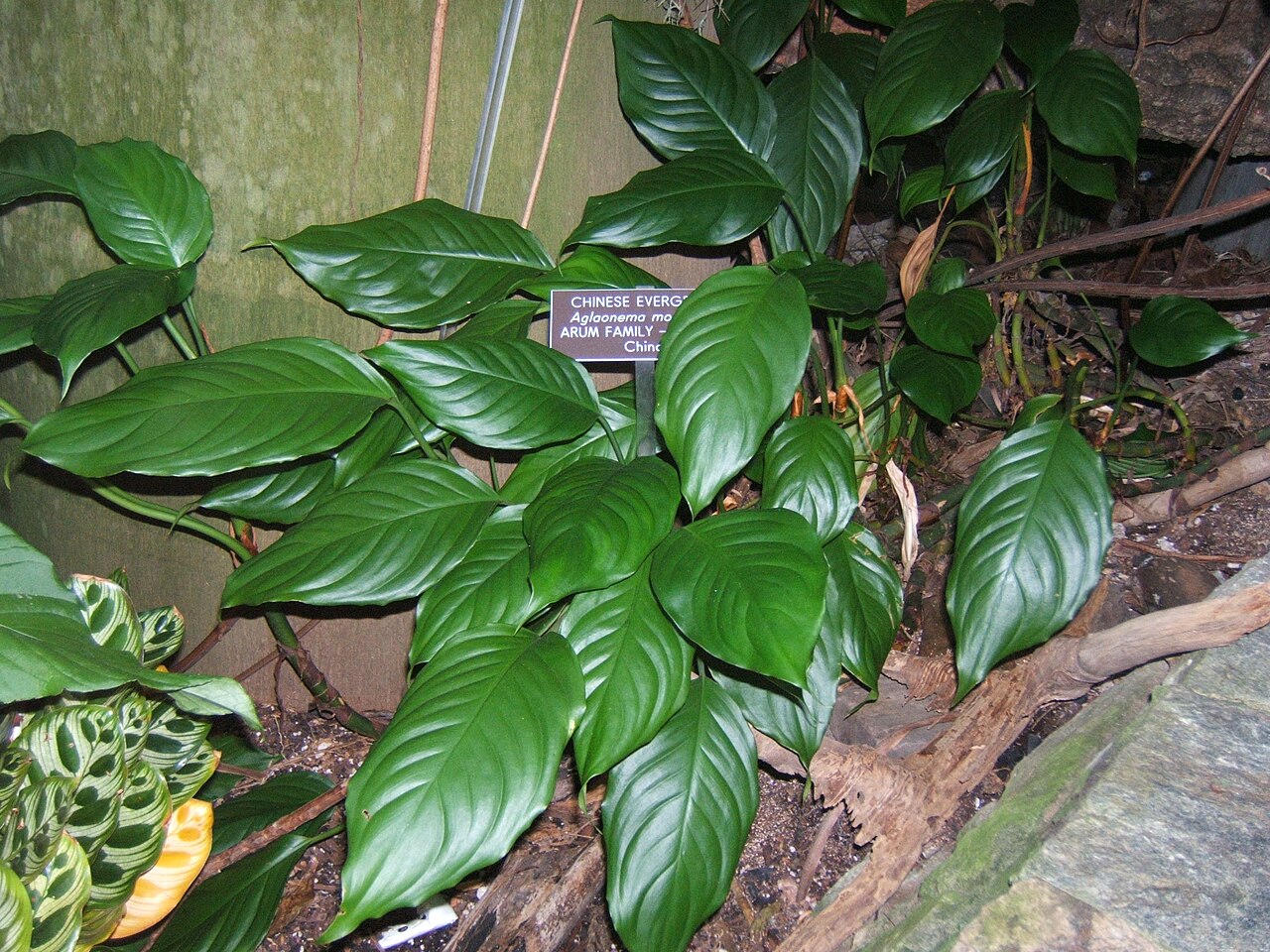
Chinese Evergreen is a popular indoor foliage plant known for its patterned leaves and tolerance of low light conditions. It contains insoluble calcium oxalate crystals that can cause irritation if ingested or chewed.
Potentially toxic for cats & dogs.