Cats
Potentially toxicConsulted references classify the plant as toxic or irritating for that pet type.
Verified against ASPCA/provenance audit 2026-05-06 on May 6, 2026.
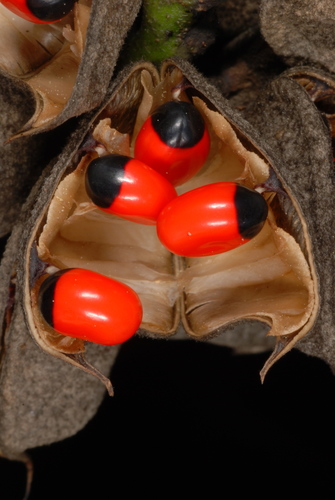
Abrus precatorius
The Rosary Pea is a climbing vine known for its highly toxic seeds, which contain the potent protein abrin. Due to the extreme danger posed by the seeds, this plant should be kept strictly out of reach of all pets.
Safety status
Cats
Potentially toxicConsulted references classify the plant as toxic or irritating for that pet type.
Verified against ASPCA/provenance audit 2026-05-06 on May 6, 2026.
Cats are at extreme risk if they chew a Rosary Pea seed — abrin, the seed's main toxin, is one of the most potent plant poisons known, and even a single seed can be fatal once the hard coat is broken by chewing. Whole, intact seeds may pass through with less effect, but no amount of contact is safe to ignore.
Severe vomiting and diarrhea (sometimes bloody) developing over hours up to a day after ingestion; abdominal pain, bloat, weakness, fever, fast heart rate, and signs of shock such as pale gums, cold paws, and collapse.
Signs can begin within a few hours, but severe abdominal pain and hemorrhagic diarrhea may take up to a day after ingestion to fully appear. Without aggressive supportive care, severe dehydration and shock can be fatal.
Call immediately. Even one chewed seed is a potential emergency — contact your vet or ASPCA Animal Poison Control at (888) 426-4435 the moment you see your cat with the seeds, before symptoms appear.
Sources: ASPCA (no first-aid guidance for owners).
If a pet has chewed or swallowed plant material and is showing symptoms, contact a veterinarian or poison resource immediately. This product is for structured reference, not diagnosis.
Cats — concern notes
Common signs
Vomiting, severe abdominal pain, diarrhea, tremors, and potential organ failure.
Escalation note
The seeds are extremely toxic; ingestion of even a single seed can be fatal. Contact a veterinarian immediately if ingestion is suspected.
Safer alternatives
No hand-picked alternatives for this plant yet. You can still pick your own using the Compare button on any other plant.
Yes, rosary pea (Abrus precatorius) is extremely toxic to cats. Its seeds contain abrin, a potent protein poison, and ingestion of even a single chewed seed can be fatal.
Symptoms include severe vomiting, abdominal pain, diarrhea (sometimes bloody), tremors, weakness, fever, rapid heart rate, and signs of shock such as pale gums, cold paws, and collapse. Signs may begin within a few hours but severe gastrointestinal symptoms can take up to a day to fully appear.
Call your vet or the ASPCA Animal Poison Control Center at (888) 426-4435 immediately — do not wait for symptoms to appear. Even one chewed seed is a potential emergency, and aggressive supportive care is needed to prevent severe dehydration, shock, and organ failure.
Initial signs can appear within a few hours of ingestion, but severe abdominal pain and hemorrhagic diarrhea may take up to 24 hours to fully develop. Without prompt veterinary intervention, the condition can progress rapidly to shock and death.
Same cat verdict
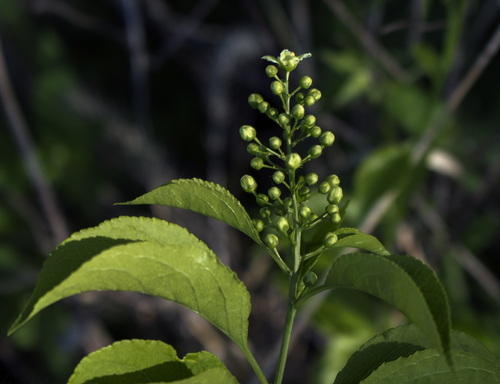
American Bittersweet is a woody vine native to North America, often recognized for its vibrant orange and red fruit capsules. While ornamental, all parts of the plant are considered toxic to pets if ingested.
Potentially toxic for cats & dogs.
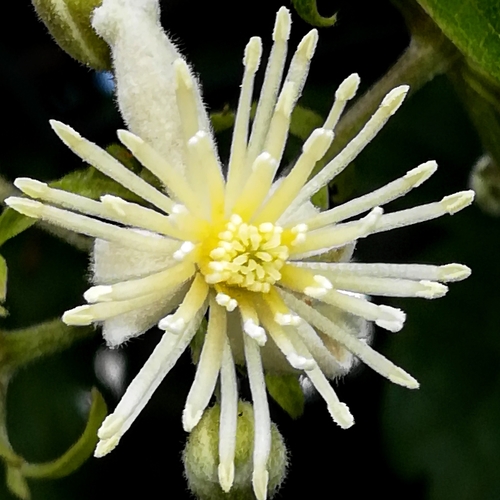
Clematis is a genus of popular flowering vines known for their showy blooms and climbing habit. While beautiful in the garden, they contain irritant compounds that can cause discomfort if ingested by pets.
Potentially toxic for cats & dogs.
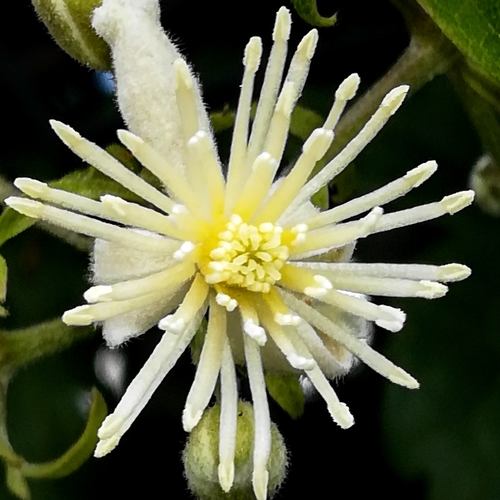
Clematis is a genus of climbing vines known for their showy, star-shaped flowers. While popular in gardens, all parts of the plant contain compounds that can cause irritation if ingested by pets.
Potentially toxic for cats & dogs.
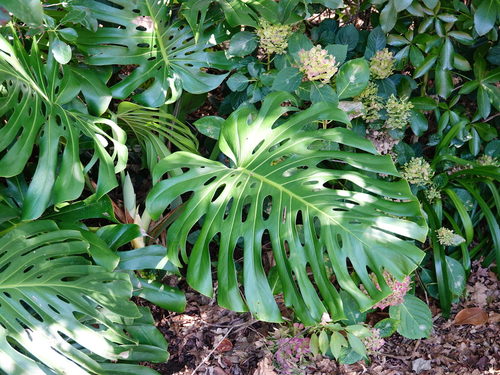
Monstera deliciosa is a popular tropical houseplant known for its large, fenestrated leaves and vining growth habit. It contains insoluble calcium oxalate crystals that can cause irritation if ingested by pets.
Potentially toxic for cats & dogs.