Compare

Onion vs. Chives: which is safe for cats and dogs?

Onion and Chives are frequently compared because both belong to the Allium genus, sharing the same chemical compounds that pose significant risks to household pets. It is important to understand that both plants are potentially toxic to cats and dogs. While they are common kitchen staples, all parts of these plants contain substances that can damage red blood cells, leading to serious health complications like hemolytic anemia. Because both Onion and Chives carry similar risks for your furry companions, it is best to keep these plants and their culinary forms well out of reach of your pets at all times.

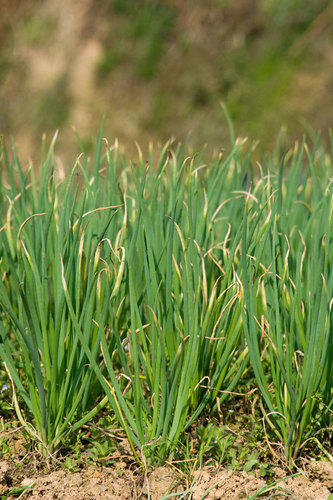
Onion

Allium cepa

The onion is a bulbous vegetable widely used in cooking that contains compounds capable of damaging red blood cells in pets. Ingestion of any part of the plant, including the bulb, can lead to serious health complications.

cat

Potentially toxic

Consulted references classify the plant as toxic or irritating for that pet type.

Watch for

Vomiting, diarrhea, lethargy, pale gums, and rapid breathing.

dog

Potentially toxic

Consulted references classify the plant as toxic or irritating for that pet type.

Watch for

Weakness, decreased appetite, abdominal pain, and discolored urine.
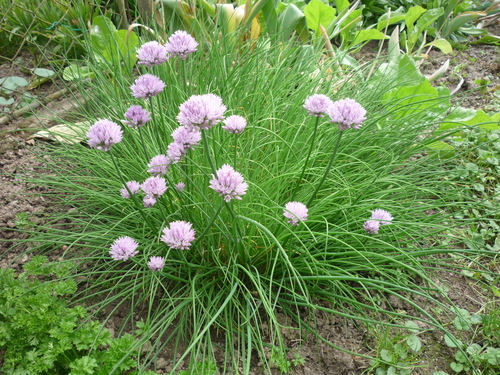
Chives

Allium schoenoprasum

Chives are a popular culinary herb in the onion family that contain compounds capable of damaging red blood cells in pets. Ingestion of any part of the plant can lead to gastrointestinal upset and more serious systemic issues.

cat

Potentially toxic

Consulted references classify the plant as toxic or irritating for that pet type.

Watch for

Vomiting, diarrhea, lethargy, pale gums, and elevated heart rate.

dog

Potentially toxic

Consulted references classify the plant as toxic or irritating for that pet type.

Watch for

Drooling, abdominal pain, vomiting, diarrhea, and weakness.