Compare

Cardboard Cycad vs. Cardboard Palm: which is safe for cats and dogs?

The Cardboard Cycad and the Cardboard Palm are frequently compared because they both share the common-name alias Zamia furfuracea, leading many owners to believe they are distinct species with different safety profiles. In reality, both plants are highly toxic to cats and dogs. Because they belong to the cycad family and contain the potent toxin cycasin, both the Cardboard Cycad and the Cardboard Palm pose a severe, life-threatening risk to pets if ingested. While their labels may differ, the danger level remains consistently high for both plants. Please review the specific risks for your pets below to understand why these plants should be kept entirely out of reach.

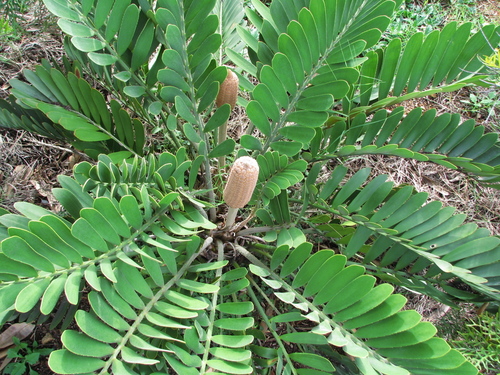
Cardboard Cycad

Zamia furfuracea

The Cardboard Cycad is a slow-growing cycad known for its stiff, leathery, palm-like foliage. It is highly toxic to pets if ingested and requires careful placement in households with animals.

cat

Potentially toxic

Consulted references classify the plant as toxic or irritating for that pet type.

Watch for

Vomiting, diarrhea, lethargy, jaundice, increased thirst, and potential liver failure.

dog

Potentially toxic

Consulted references classify the plant as toxic or irritating for that pet type.

Watch for

Vomiting, bloody stool, jaundice, bruising, coagulopathy, and potential liver failure.
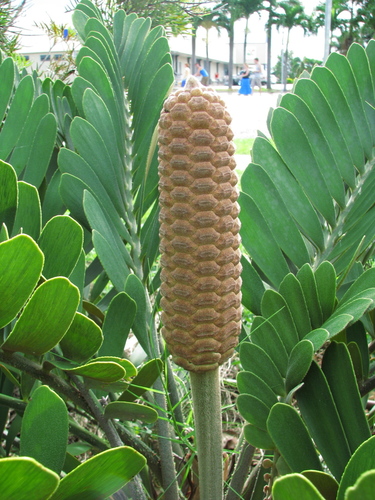
Cardboard Palm

Zamia spp.

The Cardboard Palm is a cycad known for its stiff, leathery foliage and slow growth habit. It is highly toxic to pets if ingested, as all parts of the plant contain potent cycasin toxins.

cat

Potentially toxic

Consulted references classify the plant as toxic or irritating for that pet type.

Watch for

Vomiting, diarrhea, lethargy, jaundice, and potential liver failure.

dog

Potentially toxic

Consulted references classify the plant as toxic or irritating for that pet type.

Watch for

Vomiting, bloody stool, abdominal pain, bruising, and liver damage.