Snake Plant Got Renamed — Here's Why "Sansevieria" Is Now "Dracaena"
In 2017, molecular phylogenetics merged the entire Sansevieria genus into Dracaena. Both names are still on tags at the nursery, both refer to the same plant, and both are toxic to cats and dogs. Here's what changed, what didn't, and what to plant instead.
April 28, 20268 min read
You walk into a nursery looking for a snake plant. One tag says Sansevieria trifasciata. Another, on a plant that looks identical, says Dracaena trifasciata. A third, on the next shelf, says Dracaena zeylanica and a sticker still calls the genus Sansevieria in parentheses. Nobody at the register can tell you which one is the "real" name. The honest answer is: they are all the real name, and they are all the same plant, and the disagreement is about a paper that came out in 2017.
The snake plant did not change. The botanists changed their minds about it. That sounds like a footnote, but it is a footnote that lands on every plant tag, every care guide, and every search result for the most-bought houseplant in the country. And because the toxicity story is identical under either name — both Sansevieria and Dracaena contain saponins that send pets to the clinic — the rename is a useful chance to look again at a plant most households keep on autopilot.
What changed in 2017
Until the late 2010s, the houseplant world had two distinct genera in the same broad family. Dracaena was the corn plant, the Madagascar dragon tree, lucky bamboo. Sansevieria was the snake plant and its relatives. Different leaves, different growth habits, different tags at the nursery, different sections of the field guide.
Then a series of phylogenetic studies — molecular sequencing of the actual DNA — established that Sansevieria nested inside the Dracaena clade. Sansevierias were not a separate lineage; they were a specialised twig of the dracaena family tree. The taxonomic rules of botany are unforgiving on this point: if the older, larger name (Dracaena) already includes the newer name's species, the newer name has to go. In 2017, Mwachala and others formally absorbed the entire Sansevieria genus into Dracaena. Snake plant became Dracaena trifasciata. Mother-in-law's tongue became Dracaena trifasciata. Roughly seventy species changed their first name overnight.
Commerce did not get the memo. Wholesale growers, nurseries, plant tags, and big-box retailers had decades of inventory, signage, and SKUs riding on Sansevieria. Most of them still do. You will see both names in the same store, sometimes on the same shelf, sometimes on the same tag. The botanical literature now uses Dracaena. The supply chain still mostly says Sansevieria. Both are referring to the plant in front of you.
This is not a case of a benign plant being renamed onto a toxic list. Sansevieria trifasciata was already on the ASPCA toxic list before 2017. Dracaena was already there too. The reclassification merged two entries on the same list. The ASPCA's snake plant page still uses the older name on the URL and the newer one in the body, which is exactly what most plant guides are doing while the language settles.
Our canonical safety reference for the genus — Dracaena and the snake-plant relative Dracaena trifasciata — has the full clinical picture. The short version: this plant should not share a counter, a windowsill, or a floor with a curious cat.
The snake plant got a new last name. The cat didn't get a new liver.
Why the rename matters in a pet-safety context
Most "is this plant safe for cats?" lookups happen in a panic, twenty minutes after a pet has chewed something. The user types whatever name is on the tag. If they type Sansevieria, they get one set of results. If they type Dracaena, they get a different set. If they type snake plant, they get a third. The same plant has three queries pointing at it, and not every guide cross-references the names yet.
Two practical consequences:
- A search that comes up "non-toxic" is sometimes wrong. Older guides under Sansevieria and older guides under Dracaena sometimes disagree about minor details — exact symptoms, severity in dogs versus cats, which compound is responsible. A guide that hasn't been updated since the merge can return inconsistent results depending on which name you used. When in doubt, treat snake plant as toxic regardless of the search result. The ASPCA's listing is the authoritative one.
- Lucky bamboo is in the same genus now. Dracaena sanderiana — the twisted desk plant in a glass of water — is in the Dracaena genus alongside the snake plant. Same family of saponins, same broad symptom picture. We've covered this one in detail in Lucky Bamboo Isn't Bamboo. The pattern is worth noticing: anything sold as a Dracaena — or as a Sansevieria under the old name — is on the toxic list.
What to plant instead
Most people buying a snake plant are buying a particular set of features: upright and sculptural, drought-tolerant, low-light tolerant, and forgiving of neglect bordering on abandonment. Three pet-safe plants cover most of those features without the saponins.
The ponytail palm is the most direct swap. It looks nothing like a snake plant but it scratches the same itch — I want a sculptural houseplant I cannot kill — and it does so without putting anything dangerous on the leaves. It also slots straight into the same lighting envelope, from a bright living room to a slightly under-lit hallway. If a household is replacing a snake plant for safety reasons, the ponytail is usually the plant that ends up on the same shelf.
How to tell what's actually on the tag
The genus rename plays out at the nursery in a few predictable ways. A short field guide to reading a tag in 2026:
- Tag says Sansevieria anything. It is the snake plant clade. Toxic. The Latin is out of date — by about a decade — but the plant is unchanged.
- Tag says Dracaena trifasciata, Dracaena zeylanica, Dracaena cylindrica, Dracaena angolensis, Dracaena pearsonii, etc. Same plant, same genus, same toxicity. These are the post-2017 names for what used to be Sansevieria trifasciata, S. zeylanica, S. cylindrica, and so on.
- Tag says Dracaena fragrans, Dracaena marginata, Dracaena reflexa, Dracaena sanderiana, Dracaena deremensis. Different species, same genus, all originally called Dracaena — corn plant, Madagascar dragon tree, song-of-India, lucky bamboo, striped dracaena. All toxic to pets. The rename did not pull any safe plant onto this list; everything in Dracaena was already there.
- Tag says "snake plant" or "mother-in-law's tongue" with no Latin name. Treat as Dracaena trifasciata. Toxic.
The shortcut: if the tag has the word Sansevieria or Dracaena on it under any species, the plant is on the toxic list. There is no safe member of either name.
If you already own one
A snake plant is not a sago palm. The chance of a fatal outcome from a chew is low. The chance of an emergency-clinic visit is not, especially with cats — strappy, upright leaves at exactly the height a cat finds interesting are a near-perfect match for what cats actually chew on.
The realistic options are the same as for any moderately toxic houseplant in a pet household:
- Move it somewhere a pet physically cannot reach the leaves. High shelves work, hanging baskets do not — snake plants are too top-heavy, and a fallen plant is more dangerous than an out-of-reach one.
- Rehome it to a pet-free space. Snake plants are unusually generous about being divided and given away; one mature plant can become four or five rooted divisions in a weekend.
- Replace it with one of the alternatives above. The ponytail palm in particular slots into the same shelf and the same care routine without the toxicology footnote.
If a pet has already chewed the leaves, do not wait for symptoms. Saponin reactions in cats can come on inside an hour. Call a vet or a 24-hour poison hotline now, then go to the nearest emergency clinic with a leaf or photo of the plant. Mention both names — Sansevieria and Dracaena — in case the intake form is using the older one.
Looking for more pet-safe houseplants beyond the snake-plant niche? Our curated lists of plants safe for cats and plants safe for dogs are organized by light and care level, so you can find something that actually fits your home.
Plants from this article
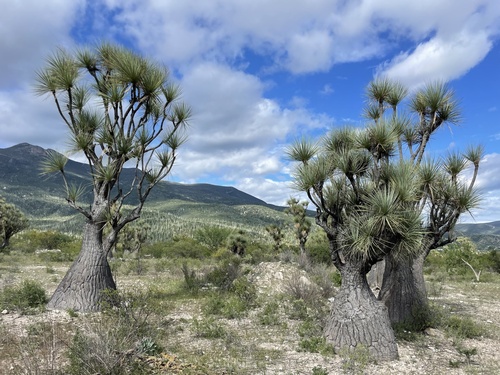
The Bottle Palm is a popular, slow-growing succulent known for its swollen, water-storing trunk and long, arching, grass-like leaves. Despite its common name, it is a member of the Asparagaceae family and is not a true palm.
Uncertain for cats.
Generally safe for dogs.
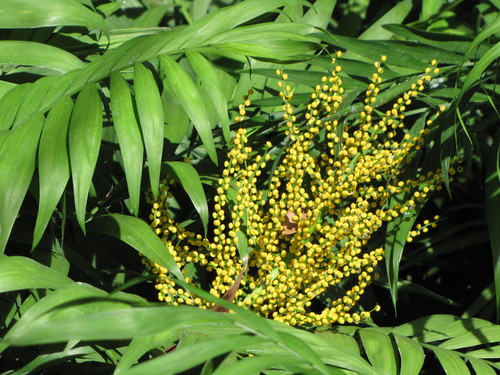
The Bamboo Palm is a popular, slow-growing indoor palm known for its elegant, feathery fronds and ability to thrive in lower light conditions. It is considered a safe choice for households with pets, though its fibrous nature may cause minor digestive discomfort if consumed in large quantities.
Not yet rated for cats.
Generally safe for dogs.
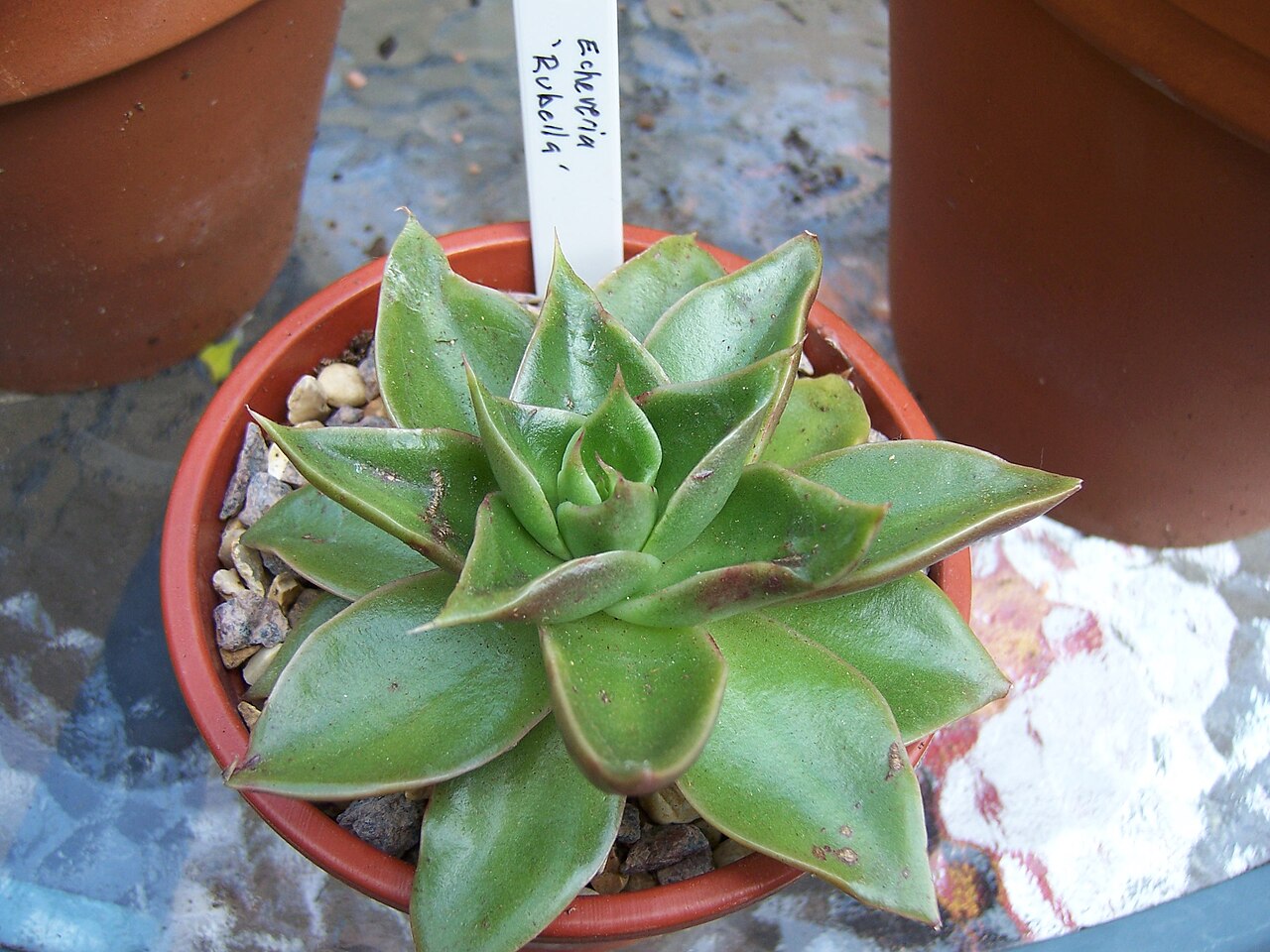
Echeveria glauca is a popular succulent known for its rosette-forming, powdery blue-green leaves. It is widely considered safe for households with pets, though its fibrous texture may cause minor digestive discomfort if consumed in large quantities.
Generally safe for cats & dogs.