Lucky Bamboo Isn't Bamboo — and Why That Matters for Your Cat
Lucky bamboo is Dracaena sanderiana, a member of the asparagus family that contains saponins toxic to cats and dogs. Real bamboo is grass, and it's harmless. Here's how to keep the look without the vet bill.
April 28, 20265 min read
In the small glass jar on the desk, a green stalk twists in a tidy spiral and lifts a tuft of glossy leaves toward the window. The tag at the garden center called it lucky bamboo. The plant is not bamboo. It is a Dracaena — a leafy member of the asparagus family — and it contains compounds that can send a curious cat to the emergency clinic.
The misnomer here is unusually durable because it's also the marketing. Real bamboo doesn't grow in jars on desks; it grows in groves and shoots up six feet a year. The thing in the jar is a soft, fleshy stalk that nurseries train into curls, hearts, and lattices, then sell as a low-stakes housewarming gift. Nobody asks what family it belongs to. Nobody mentions the cat.
The botanical truth
Lucky bamboo is Dracaena sanderiana. It belongs to Asparagaceae, the asparagus family — a lineage that also includes hosta, agave, yucca, and the snake plant on the bookshelf. It is a flowering plant with woody tissue, and it reproduces by flower and seed.
True bamboo belongs to Poaceae, the grass family. Botanically, it is an ambitious grass — same family as wheat, rice, and the lawn outside the window. Hollow culms, jointed nodes, and explosive vertical growth are the giveaways. None of those features are present in the plant on your desk.
The two plants have been on separate evolutionary paths for roughly 100 million years. The visual rhyme — green stalks with horizontal bands and leaves at the top — is convergent, not familial. It is also the reason the word "bamboo" gets stapled onto things that aren't bamboo. Lucky bamboo, heavenly bamboo, bamboo palm, bamboo orchid: four different families, one shared marketing convenience.
The ASPCA's entry on lucky bamboo and our canonical safety reference for the genus — Dracaena — have the full clinical picture. The short version: this plant should not share a counter with a cat.
Lucky bamboo is to bamboo what a toy poodle is to a wolf — same broad outline, a hundred million years of evolution in the way.
What to plant instead
Most people who buy lucky bamboo are not buying bamboo. They're buying a small, upright, low-fuss desk plant that looks tidy on a kitchen counter and signals a kind of quiet good fortune. Three pet-safe plants do that job better, without the toxicology footnote.
The spider plant is worth dwelling on for a moment. It does almost everything lucky bamboo is supposed to do — roots in water, tolerates a forgotten glass, scales to a desk — and it does so without any of the toxicity. The fact that the gift-shop trade settled on a Dracaena rather than a Chlorophytum is mostly a story about marketing. The story does not have to continue in your kitchen.
How to spot the difference at the shop
A few quick tells, no botany degree required:
- True bamboo (Phyllostachys, Bambusa): hollow, woody, jointed culms with papery sheaths and narrow leaves on side branches. The stem feels like a stick. Sold for gardens and porches, almost never for the desk.
- Lucky bamboo (Dracaena sanderiana): solid, fleshy, glossy green stalk with leaves spiraling out from the top. The stem is soft enough to be twisted into curls and lattices — that's exactly how the decorative shapes are made. Sold in water, almost always in glass.
- Heavenly bamboo (Nandina domestica): an outdoor shrub with upright bamboo-like canes and red winter berries. Yet another non-bamboo, this time in the barberry family. Also worth approaching with care around pets.
If the "bamboo" in front of you sits in two inches of water in a glass vase and has a tidy spiral of leaves at the top, it is a Dracaena. Put it back.
If you already own one
Lucky bamboo is the kind of plant that lives in a home for years before anyone thinks about toxicity, because nothing has happened — yet. Cats don't reliably leave it alone, but they don't reliably eat it either, and the gap between "fine for years" and "emergency clinic at 9pm" is one bored afternoon.
The safe options are the same as for any toxic houseplant: rehome it to a pet-free space, or replace it. Counter placement is not a strategy. Cats jump, and the leaves at the top are exactly the part most likely to be chewed.
If a pet has already chewed any part of the plant, do not wait for symptoms. Saponin reactions can come on quickly, especially in cats, and outcomes are dramatically better with early intervention. Call a vet or a 24-hour poison hotline now, then go to the nearest emergency clinic.
Looking for more pet-safe houseplants beyond the lucky-bamboo niche? Our curated lists of plants safe for cats and plants safe for dogs are organized by light and care level, so you can find something that actually fits your home.
Plants from this article
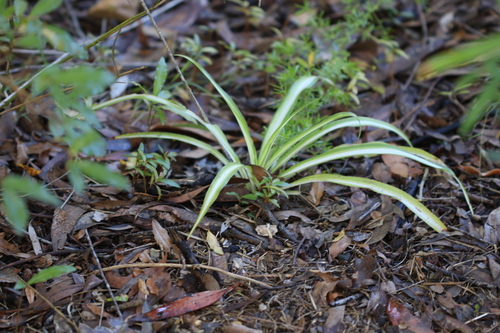
The spider plant is a popular, easy-to-care-for houseplant known for its arching, grass-like foliage and trailing plantlets. It is widely considered safe for households with pets, though large ingestions of fibrous material may occasionally cause mild digestive upset.
Generally safe for cats & dogs.
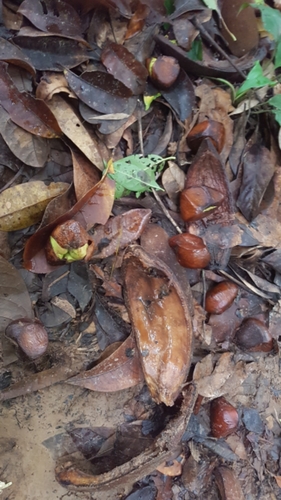
The Money Tree is a popular indoor plant known for its braided trunk and palm-like leaves, often associated with good luck and prosperity in home decor.
Generally safe for cats & dogs.
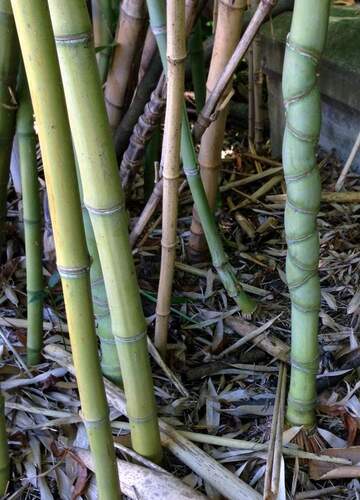
Phyllostachys aurea is a popular ornamental grass known for its woody, jointed stems and lance-shaped leaves. While generally considered safe for pets, it is a fibrous plant that may cause minor digestive discomfort if consumed in large quantities.
Not yet rated for cats.
Generally safe for dogs.