Pothos vs. Philodendron vs. Monstera — They Look Alike, They're All Toxic, Here's How to Tell Them Apart
Three of the most popular houseplants in the world are different species in different genera, but they're all aroids — all carrying the same calcium oxalate crystals that send pets to the vet. Identification matters for care; for your cat, the answer is the same.
April 28, 20267 min read
Three pots sit side by side on the nursery's hanging rack. All three are trailing. All three have heart-shaped leaves. Two are labeled "easy beginner plant," and one is marked up to twice the price for reasons the customer is meant to intuit. None of the three are the same plant. None of them are even in the same genus. And for the cat watching from the windowsill, none of them are safe.
Pothos, philodendron, and monstera are the three most-confused houseplants on the planet. The mix-up is nearly universal: nurseries label them inconsistently, blog posts use the names interchangeably, and the heart-leafed juvenile forms of all three look enough alike that even an experienced grower has to look twice. The botanical truth — and the toxicity story that follows from it — is more interesting than most owners realize.
Three plants, one family
The plants in question are:
- Pothos — Epipremnum aureum. A vining tropical native to French Polynesia. Glossy, waxy, heart-shaped leaves, often with golden or marbled variegation.
- Heartleaf philodendron — Philodendron hederaceum. A vining tropical from Central and South America. Thinner, more matte heart-shaped leaves, often with a faintly reddish underside.
- Monstera — Monstera deliciosa. A vining tropical from southern Mexico and Central America. Starts as a heart-leafed climber, develops fenestrations — the famous holes and splits — as it matures.
Three plants, three genera, three native ranges. But they share a family: Araceae, the aroids. The same family that includes peace lily, anthurium, dieffenbachia, calla lily, alocasia, philodendron's whole sprawling clan, and the corpse flower. Aroids are recognizable across the family by their inflorescence — a fleshy spike (the spadix) cradled by a leaf-like hood (the spathe) — and, more importantly for a houseplant owner, by their toxicity.
The relevant point for owners is that all three plants deliver the same hazard through the same mechanism. Whether the trailing vine on the bookshelf is pothos or philodendron or a juvenile monstera, the answer for the cat is identical, and so is the response if anything happens.
Three different plants, three different care regimens, one identical answer for your cat.
How to tell them apart
For the cat, identification is irrelevant. For the plant, it matters quite a bit — light needs, growth speed, eventual size, and care quirks all diverge. The visual tells:
- Pothos (Epipremnum aureum): thick, glossy, waxy leaves with a slightly leathery feel. Variegation is common — golden, marbled, or pale white patches. Aerial roots are short and stubby. Leaves never develop holes or splits, even on mature plants. The cheapest of the three almost everywhere.
- Heartleaf philodendron (Philodendron hederaceum): thinner, softer, more matte leaves. Often a faint reddish or bronze tint on the underside, especially on new growth. Aerial roots are longer and reach further down the stem. New leaves emerge from a papery sheath called a cataphyll, which then dries and falls off — a strong giveaway. Leaves stay simple and heart-shaped throughout life.
- Monstera (Monstera deliciosa): starts looking like a heartleaf plant. Then, as the plant matures, the leaves begin to develop fenestrations — first small splits at the edges, then the iconic holes through the leaf body. A young monstera in a four-inch pot can be hard to distinguish from a philodendron until the splits show up. A mature one is unmistakable.
There's also a fourth contender to keep in mind:
- Satin pothos (Scindapsus pictus): sold as a pothos, looks like a pothos, is not a pothos. It's a Scindapsus — a different genus, but still in Araceae. Distinctive silvery-grey speckling on matte leaves. Same family, same calcium oxalates, same toxic verdict. The genus is wrong on the tag; the safety answer isn't.
What to plant instead
If what you actually want is a trailing, low-fuss, heart-leafed plant for a shelf or a hanging basket, the catalog has three reliably pet-safe options. None of them are aroids. None of them carry calcium oxalate.
The hoya is the closest direct swap aesthetically, but the spider plant deserves a moment of attention. It is the only plant on this list that genuinely requires no attention — and it is, alone among easy trailing houseplants, both completely pet-safe and cheap. The fact that the houseplant trade has spent the last decade marketing aroids over chlorophytums is a story about profit margins, not about which plant is better for your home.
How to spot the difference at the nursery
Quick triage rules for the trailing-rack:
- Glossy, waxy heart-shaped leaves with golden marbling → pothos. Toxic.
- Matte, softer heart-shaped leaves with a reddish underside → heartleaf philodendron. Toxic.
- Heart-shaped leaves starting to develop holes or splits → monstera. Toxic.
- Heart-shaped leaves with silvery speckling on a matte surface → satin pothos (Scindapsus). Toxic.
- Heart-shaped, thick, waxy, no variegation, slow-growing → hoya. Pet-safe.
- Strappy, sword-like leaves with a hanging plantlet on a long stem → spider plant. Pet-safe.
The shape and feel of the leaf does most of the work. The label often lies; the plant itself doesn't.
If you already own one
Almost everyone with houseplants has at least one aroid, and most pothos and philodendrons live for years in pet households without incident. The risk isn't that the plant is constantly dangerous — it's that the moment of danger is a single bored afternoon and a low-hanging vine.
The two reliable strategies are: hang the plant somewhere a cat genuinely cannot reach (above any furniture, away from any climbable surface), or replace it with something on the safe list above. Trimming the trailing tendrils as they get long is a good supplement to either approach but not a substitute for placement. If a pet has chewed any part of an aroid and is showing oral pain, drooling, or vomiting, treat it as a same-day vet question — the response is fast, the recovery is usually full, and waiting it out is the wrong call.
Looking for more pet-safe options beyond the trailing-plant aisle? Our curated lists of plants safe for cats and plants safe for dogs are organized by light and care level, so you can find something that actually fits your home.
Plants from this article
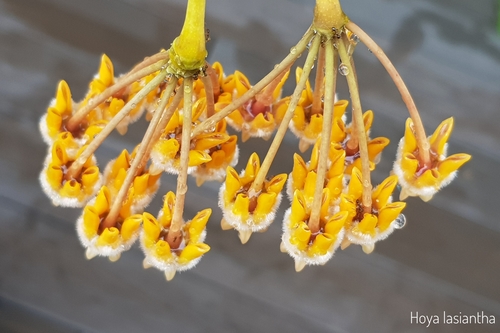
The Hindu Rope Plant is a popular, slow-growing succulent vine known for its unique, curled, waxy foliage. It is considered safe for households with pets, though its fibrous nature may cause minor digestive discomfort if consumed in large quantities.
Generally safe for cats & dogs.
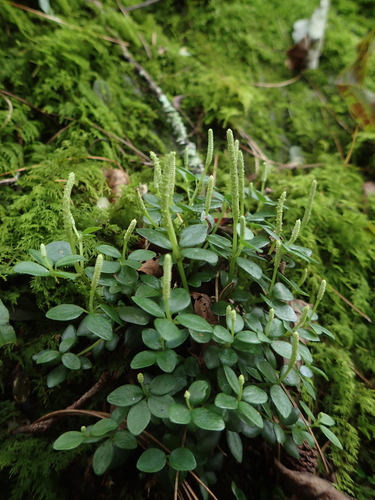
Trailing Jade is a popular, low-maintenance houseplant known for its small, round, succulent-like leaves that grow on delicate, trailing stems. It is considered safe for households with pets, though ingestion of large amounts of plant material may cause minor digestive discomfort.
Generally safe for cats & dogs.
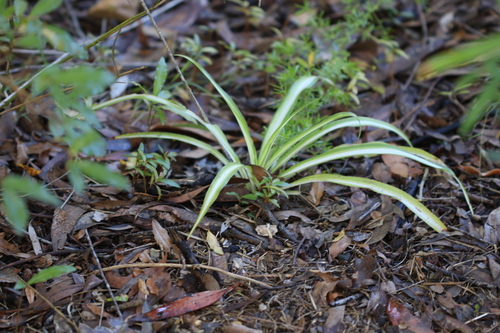
The spider plant is a popular, easy-to-care-for houseplant known for its arching, grass-like foliage and trailing plantlets. It is widely considered safe for households with pets, though large ingestions of fibrous material may occasionally cause mild digestive upset.
Generally safe for cats & dogs.