Dogs
Potentially toxicConsulted references classify the plant as toxic or irritating for that pet type.
Verified against ASPCA/provenance audit 2026-05-06 on May 6, 2026.
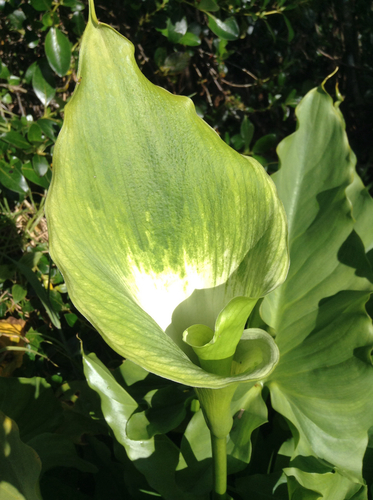
Zantedeschia aethiopica
The Arum Lily is a popular ornamental plant known for its striking white spathes, but it contains insoluble calcium oxalate crystals that can cause irritation upon ingestion. It is considered toxic to both cats and dogs.
Safety status
Dogs
Potentially toxicConsulted references classify the plant as toxic or irritating for that pet type.
Verified against ASPCA/provenance audit 2026-05-06 on May 6, 2026.
Dogs that bite into a calla lily get an instant dose of needle-like calcium oxalate crystals — sharp enough that most spit the plant back out before swallowing much. The reaction is dramatic but almost always limited to the mouth and stomach; systemic poisoning and kidney failure are not part of this plant's profile.
Pawing at the mouth, head shaking, and a sudden distressed expression are usually the first signs. Heavy drooling or foaming, lip or tongue swelling, and a hoarse or muffled bark can follow if the airway is irritated. Vomiting, retching, and a temporary refusal to eat or drink are common; persistent severe vomiting is less typical for this plant.
Burning starts within seconds of biting the plant; drooling and oral irritation typically peak within the first 30 to 60 minutes. Most dogs settle within 12 to 24 hours with supportive care.
Call right away for any swelling of the lips, tongue, or throat, audible changes in breathing, or persistent retching. Otherwise contact your vet or the ASPCA Poison Control hotline (888-426-4435) for drooling that does not settle within an hour, or if your dog refuses water for more than a few hours.
Wipe out the mouth with a clean damp cloth to remove visible plant fragments and offer cool, fresh water to rinse the oral tissue. Do not induce vomiting. Skip milk, peanut butter, vegetable oil, and salt — Pet Poison Helpline lists these as ineffective and sometimes harmful home remedies. Then call your vet.
Sources: ASPCA, Pet Poison Helpline.
If a pet has chewed or swallowed plant material and is showing symptoms, contact a veterinarian or poison resource immediately. This product is for structured reference, not diagnosis.
Dogs — concern notes
Common signs
Oral irritation, intense burning and irritation of the mouth, tongue and lips, excessive drooling, vomiting, and difficulty swallowing.
Escalation note
Symptoms are generally localized to the mouth and gastrointestinal tract. Please contact your veterinarian or a pet poison control center if ingestion is suspected.
Safer alternatives
Some links earn us a small commission. They never affect our safety classifications.
Kew Plants of the World Online
botanical · 95% reliability
Accepted scientific name for the Arum Lily.
Yes, calla lilies (Zantedeschia aethiopica) are toxic to dogs. The plant contains insoluble calcium oxalate crystals that cause immediate oral irritation, intense burning of the mouth, tongue, and lips, excessive drooling, vomiting, and difficulty swallowing upon ingestion.
The first signs are usually pawing at the mouth, head shaking, and a sudden distressed expression — these appear within seconds of biting the plant. Heavy drooling or foaming, lip or tongue swelling, vomiting, and a temporary refusal to eat or drink typically follow, with symptoms peaking within the first 30 to 60 minutes. Most dogs settle within 12 to 24 hours with supportive care.
Wipe out your dog's mouth with a clean damp cloth to remove plant fragments and offer cool, fresh water to rinse the oral tissue — do not induce vomiting. Avoid milk, peanut butter, vegetable oil, or salt, which are ineffective and sometimes harmful. Then call your vet or the ASPCA Animal Poison Control Center at (888) 426-4435.
All parts of the calla lily contain insoluble calcium oxalate crystals, so any contact — chewing a leaf, stem, or flower — can trigger immediate burning and irritation. Call your vet right away if you notice swelling of the lips, tongue, or throat, audible changes in breathing, or drooling that does not settle within an hour.
Same dog verdict
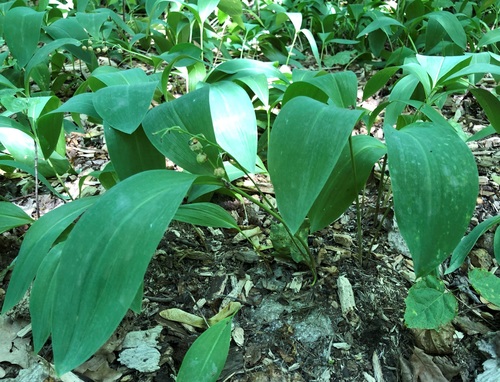
Lily of the Valley is a popular spring-flowering perennial known for its fragrant, bell-shaped white flowers. It contains cardiac glycosides that are highly toxic to pets if ingested.
Potentially toxic for cats & dogs.
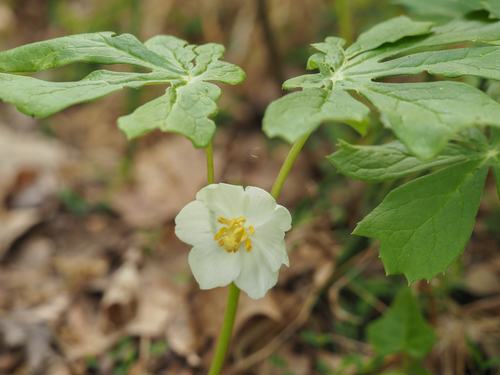
American Mandrake is a perennial woodland plant known for its umbrella-like leaves and single white flower. It contains podophyllotoxin, which is highly irritating and potentially dangerous if ingested by pets.
Potentially toxic for cats & dogs.

Monstera deliciosa is a popular tropical houseplant known for its large, fenestrated leaves and vining growth habit. It contains insoluble calcium oxalate crystals that can cause irritation if ingested by pets.
Potentially toxic for cats & dogs.

Dracaena trifasciata is a popular, hardy houseplant known for its stiff, sword-like leaves with striking yellow margins. It is widely appreciated for its air-purifying qualities and ability to thrive in various indoor conditions.
Potentially toxic for cats & dogs.