Cats
Potentially toxicConsulted references classify the plant as toxic or irritating for that pet type.
Verified against ASPCA/provenance audit 2026-05-06 on May 6, 2026.

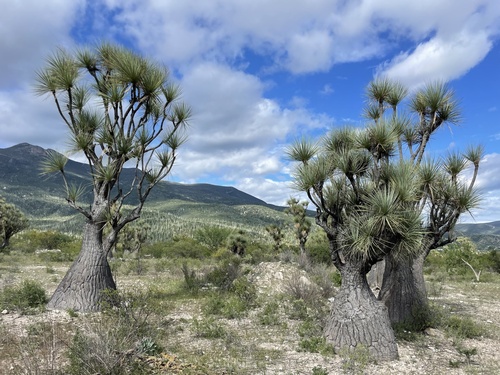
Yucca spp.
Yucca is a genus of perennial shrubs and trees known for their architectural, sword-shaped leaves and tall spikes of white flowers. While popular as houseplants, they contain saponins that can cause irritation if ingested by pets.
Safety status
Cats
Potentially toxicConsulted references classify the plant as toxic or irritating for that pet type.
Verified against ASPCA/provenance audit 2026-05-06 on May 6, 2026.
Yucca is mildly toxic to cats, with saponins as the toxic principle. The fibrous leaves act like a natural detergent in the mouth and stomach, foaming and irritating soft tissues, and most cats that nibble a leaf show only mild self-limiting GI signs.
Most-common signs are drooling and vomiting. Some cats also show weakness, incoordination, or dilated pupils, especially after a larger ingestion. Severe cases — typically only with significant amounts eaten — can include confusion or possible seizures.
Mild GI signs typically begin within a few hours of ingestion and resolve within 24 hours with supportive care; the ASPCA characterizes most cat exposures as resulting in mild self-limiting vomiting and diarrhea. Exact timing is not well documented.
Call your vet or ASPCA APCC (888-426-4435) if vomiting persists for more than a few hours, your cat seems weak or wobbly, has dilated pupils, or won't eat or drink. Any seizure activity, repeated vomiting, or signs in a small/older cat should prompt a same-day visit.
Remove any chewed leaves from your cat's mouth and offer fresh water; bring a piece of the plant for identification. Do not induce vomiting at home — call ASPCA APCC (888-426-4435) or your veterinarian for guidance before giving any treatment.
Sources: ASPCA.
If a pet has chewed or swallowed plant material and is showing symptoms, contact a veterinarian or poison resource immediately. This product is for structured reference, not diagnosis.
Cats — concern notes
Common signs
Vomiting, drooling, and gastrointestinal distress.
Escalation note
Ingestion of the leaves or stems can cause irritation. Please contact your veterinarian if you suspect your cat has ingested any part of this plant.
Safer alternatives
Some links earn us a small commission. They never affect our safety classifications.
Both the leaves and stems contain saponins and can cause irritation if ingested. The sword-shaped leaves are the part most likely to be chewed, so any contact with the foliage or stems warrants monitoring for vomiting, drooling, or changes in behavior.
Yes, yucca (Yucca spp.) is considered potentially toxic to cats. The plant contains saponins that can cause vomiting, drooling, and gastrointestinal distress if ingested.
The most common signs are drooling and vomiting. Some cats also develop weakness, incoordination, or dilated pupils, particularly after larger ingestions. In severe cases — typically only when a significant amount is eaten — confusion or possible seizures may occur. Mild GI signs usually begin within a few hours and resolve within 24 hours with supportive care.
Remove any chewed plant material from your cat's mouth and offer fresh water. Do not induce vomiting at home — call ASPCA Animal Poison Control (888-426-4435) or your veterinarian for guidance before giving any treatment. Bringing a piece of the plant helps with identification.
Same cat verdict
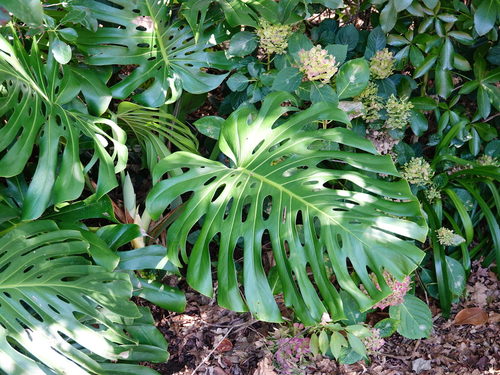
Monstera deliciosa is a popular tropical houseplant known for its large, fenestrated leaves and vining growth habit. It contains insoluble calcium oxalate crystals that can cause irritation if ingested by pets.
Potentially toxic for cats & dogs.
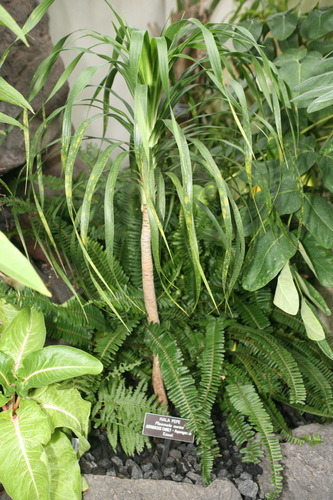
Dracaena trifasciata is a popular, hardy houseplant known for its stiff, sword-like leaves with striking yellow margins. It is widely appreciated for its air-purifying qualities and ability to thrive in various indoor conditions.
Potentially toxic for cats & dogs.
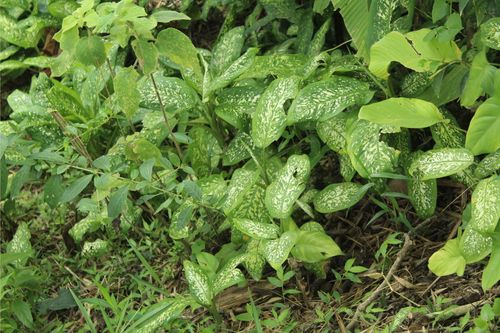
Dieffenbachia is a popular tropical houseplant known for its large, variegated leaves. It contains insoluble calcium oxalate crystals that can cause irritation if ingested or chewed.
Potentially toxic for cats & dogs.
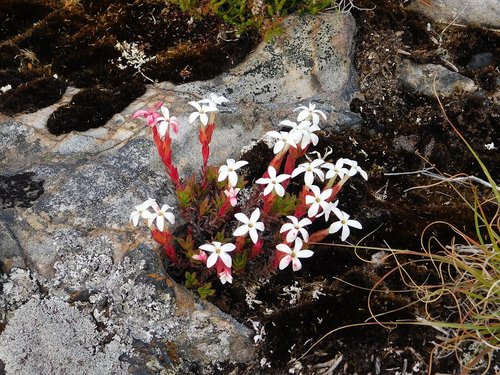
The Jade Plant is a popular succulent known for its thick, woody stems and fleshy, oval-shaped leaves. While aesthetically pleasing, it contains compounds that can cause gastrointestinal distress if ingested by pets.
Potentially toxic for cats & dogs.