Cats
Potentially toxicConsulted references classify the plant as toxic or irritating for that pet type.
Verified against ASPCA/provenance audit 2026-05-06 on May 6, 2026.
Sources
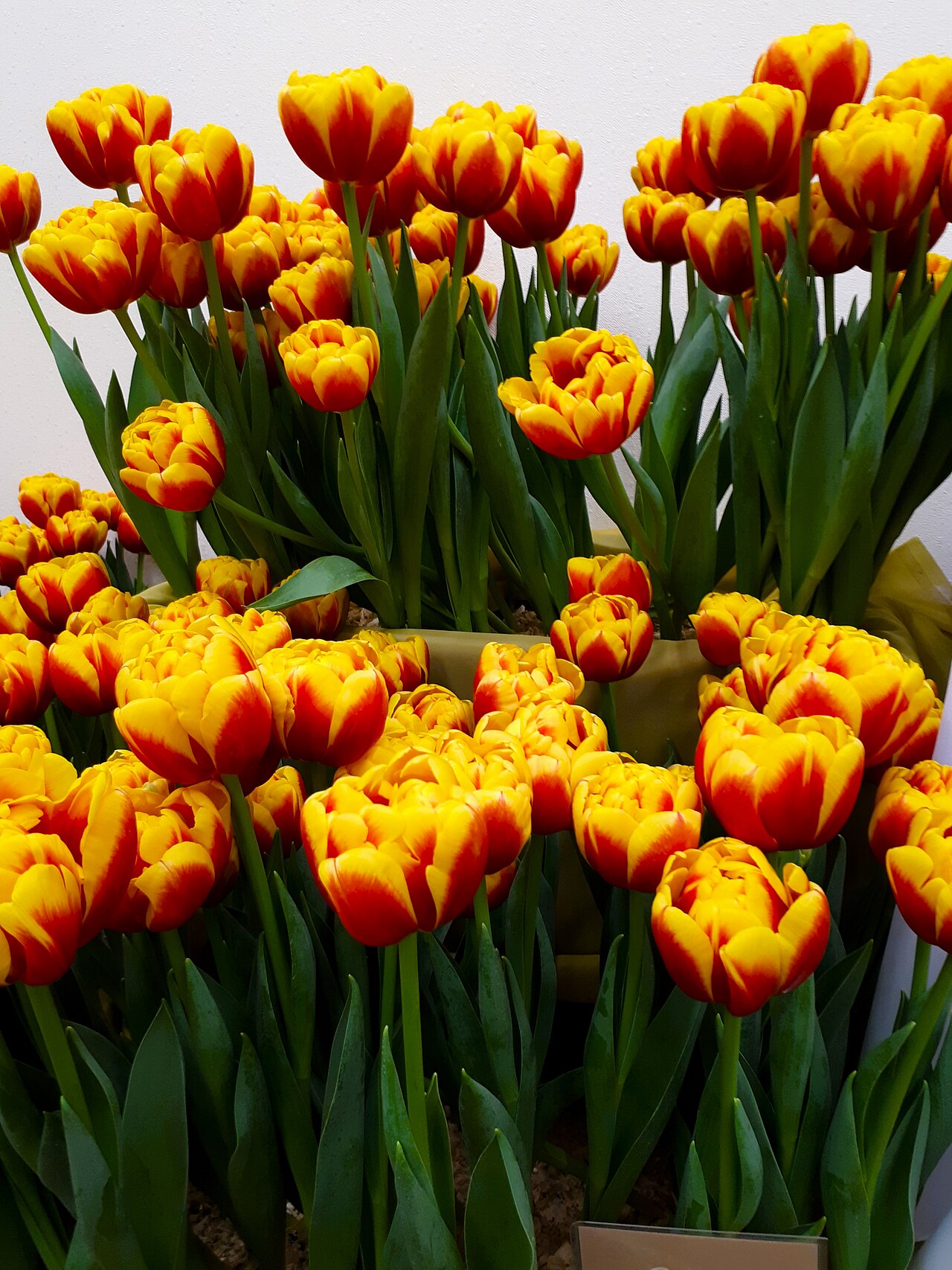
Tulipa spp.
Tulips are popular spring-flowering bulbs that contain allergenic lactones, primarily concentrated in the bulb, which can cause irritation if ingested. While the entire plant is considered toxic, the bulb is the most potent part.
Safety status
Cats
Potentially toxicConsulted references classify the plant as toxic or irritating for that pet type.
Verified against ASPCA/provenance audit 2026-05-06 on May 6, 2026.
Sources
Tulips are toxic to cats. They contain tulipalin A and B (allergenic lactones) plus, in the bulb, calcium oxalate crystals that irritate the mouth and gut. Petals and leaves cause mild upset; the bulbs are the dangerous part and should be treated as a real exposure.
Drooling, vomiting, and diarrhea are most common. With bulb ingestion you may also see mouth-pawing, refusal to eat, and depression; larger bulb ingestions can cause increased heart rate, arrhythmia, and low blood pressure.
ASPCA reports clinical signs can develop within minutes of exposure or take up to 24 hours to appear. Most mild ingestions resolve within 24 hours of supportive care; bulb ingestions may take longer to clear.
Call promptly if your cat chewed on a bulb, or if your cat shows more than a single transient bout of vomiting after exposure. Bulb ingestion warrants a vet check even if the cat seems mostly okay. Call urgently for weakness, fast or irregular heartbeat, or trouble breathing. ASPCA Poison Control: (888) 426-4435.
Sources: ASPCA, NC State Extension (no first-aid guidance).
If a pet has chewed or swallowed plant material and is showing symptoms, contact a veterinarian or poison resource immediately. This product is for structured reference, not diagnosis.
Cats — concern notes
Common signs
Drooling, vomiting, diarrhea, and potential oral irritation.
Escalation note
Symptoms are generally mild to moderate, but ingestion of the bulb can lead to more severe gastrointestinal distress. Contact your veterinarian if ingestion is suspected.
Safer alternatives
Some links earn us a small commission. They never affect our safety classifications.
ASPCA Toxic Plant List
toxicology · 99% reliability
Tulip bulbs contain allergenic lactones which can cause tissue irritation.
NC State Extension Gardener Plant Toolbox
botanical · 94% reliability
Tulipa is a genus of spring-blooming perennial herbaceous bulbiferous geophytes.
Yes, tulips (Tulipa spp.) are considered toxic to cats. The entire plant contains allergenic lactones that can cause irritation, but the bulb is the most potent part and poses the greatest risk.
The most common signs are drooling, vomiting, diarrhea, and oral irritation. If your cat chewed on a bulb specifically, you may also see mouth-pawing, refusal to eat, and depression; larger bulb ingestions can cause increased heart rate, arrhythmia, and low blood pressure.
Call your vet promptly if your cat chewed on a bulb or shows more than a single transient bout of vomiting. Seek urgent care for weakness, fast or irregular heartbeat, or trouble breathing. You can also contact ASPCA Animal Poison Control at (888) 426-4435. Symptoms can appear within minutes or up to 24 hours after exposure.
Yes — while the entire tulip plant is toxic, the bulb contains the highest concentration of allergenic lactones and causes more severe gastrointestinal distress than the leaves or flowers. Bulb ingestion warrants a vet check even if your cat initially seems mostly okay, and recovery may take longer than with leaf or petal exposure.
Same cat verdict
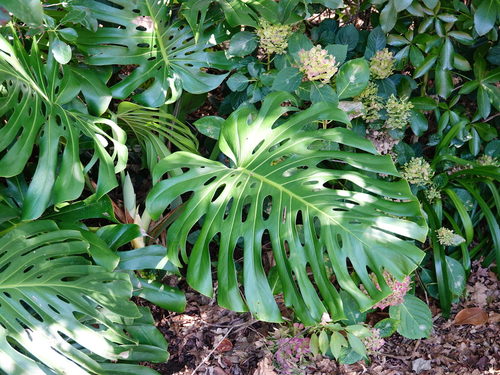
Monstera deliciosa is a popular tropical houseplant known for its large, fenestrated leaves and vining growth habit. It contains insoluble calcium oxalate crystals that can cause irritation if ingested by pets.
Potentially toxic for cats & dogs.

Dracaena trifasciata is a popular, hardy houseplant known for its stiff, sword-like leaves with striking yellow margins. It is widely appreciated for its air-purifying qualities and ability to thrive in various indoor conditions.
Potentially toxic for cats & dogs.
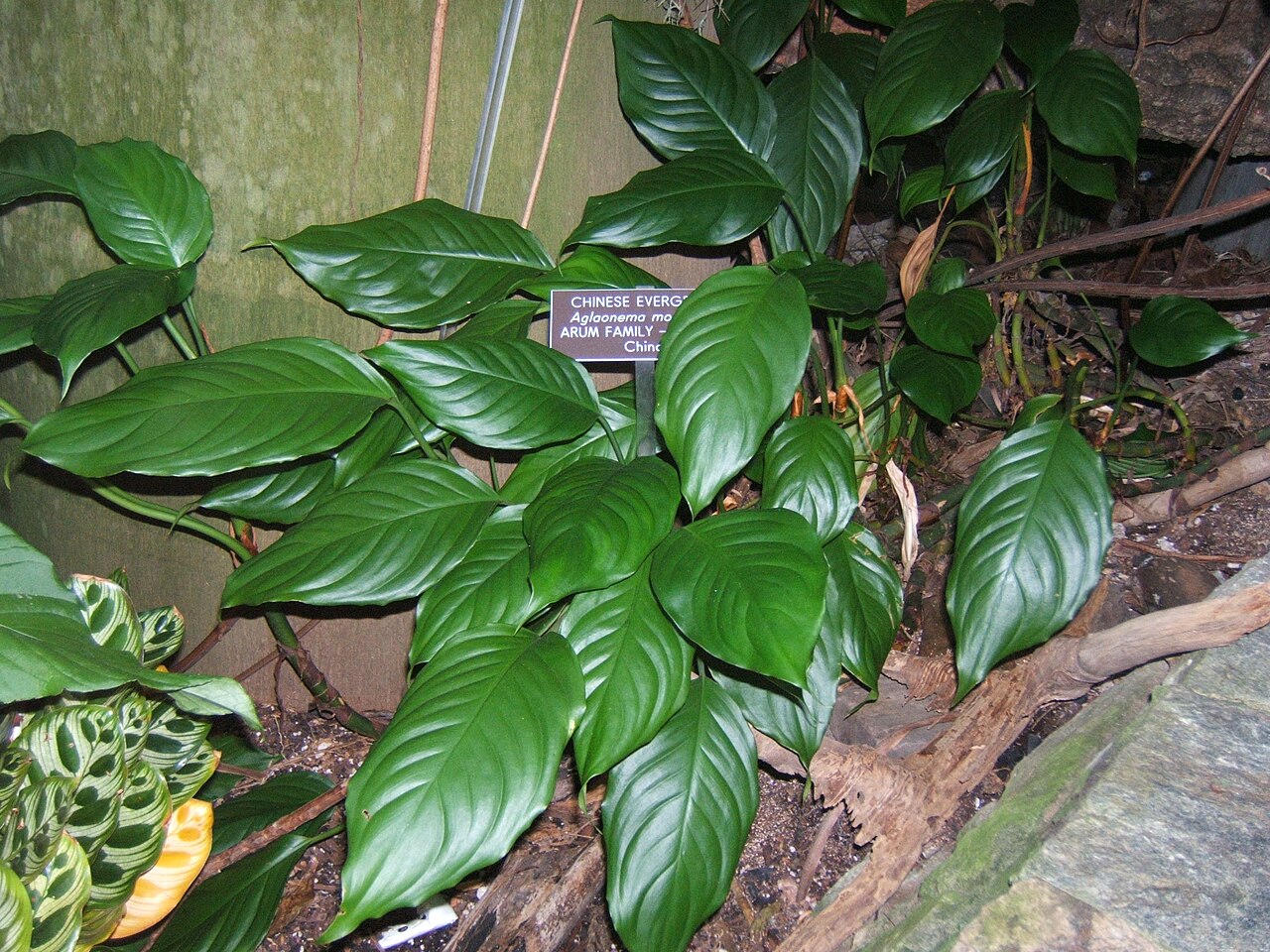
Chinese Evergreen is a popular indoor foliage plant known for its patterned leaves and tolerance of low light conditions. It contains insoluble calcium oxalate crystals that can cause irritation if ingested or chewed.
Potentially toxic for cats & dogs.
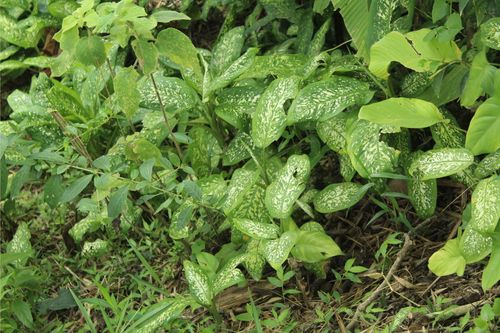
Dieffenbachia is a popular tropical houseplant known for its large, variegated leaves. It contains insoluble calcium oxalate crystals that can cause irritation if ingested or chewed.
Potentially toxic for cats & dogs.