Dogs
Potentially toxicConsulted references classify the plant as toxic or irritating for that pet type.
Verified against ASPCA/provenance audit 2026-05-06 on May 6, 2026.
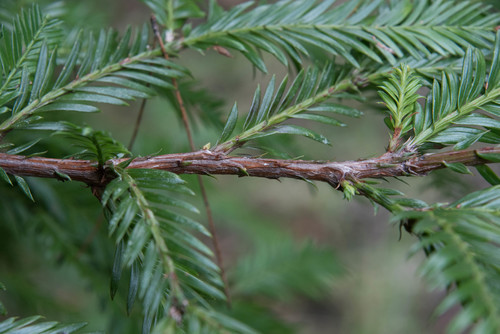
Taxus brevifolia
The Pacific Yew is an evergreen conifer containing taxine alkaloids that are highly poisonous to most animals. Ingestion of any part of the plant, especially the needles and seeds, can lead to severe systemic distress.
Safety status
Dogs
Potentially toxicConsulted references classify the plant as toxic or irritating for that pet type.
Verified against ASPCA/provenance audit 2026-05-06 on May 6, 2026.
All parts of Pacific yew except the fleshy red aril are highly toxic to dogs, with the needles and seeds carrying the highest taxine load. The taxine alkaloids interfere with cardiac conduction, and dogs are at risk of seizures and sudden cardiac collapse on top of the GI signs.
Tremors, vomiting, drooling, and trouble breathing are common. Dogs are also prone to seizures with this exposure, and acute heart failure can occur suddenly — sometimes as the first visible sign.
Onset can be within hours of ingestion, but yew is notorious for sudden cardiac death without much preceding clinical illness, which is why immediate evaluation is essential even if your dog seems fine.
Treat any chewing on yew foliage, bark, or berries as an emergency. Call ASPCA Poison Control (888-426-4435) or go directly to a vet — don't wait for symptoms to develop.
Remove any remaining plant from your dog's mouth, save a piece for ID, and head to the vet now. Do not induce vomiting at home — Pet Poison Helpline lists unsupervised emesis as a common first-aid mistake, and yew exposure needs cardiac monitoring.
Sources: ASPCA, Pet Poison Helpline.
If a pet has chewed or swallowed plant material and is showing symptoms, contact a veterinarian or poison resource immediately. This product is for structured reference, not diagnosis.
Dogs — concern notes
Common signs
Muscle weakness, dilated pupils, collapse, irregular heartbeat, and gastrointestinal distress.
Escalation note
The entire plant is toxic and can be fatal if ingested. Seek immediate veterinary care if you suspect your dog has consumed any portion of this plant.
Safer alternatives
No hand-picked alternatives for this plant yet. You can still pick your own using the Compare button on any other plant.
Yes, Pacific Yew (Taxus brevifolia) is highly toxic to dogs. The entire plant contains taxine alkaloids and is considered potentially fatal — treat any ingestion as a veterinary emergency.
Symptoms include muscle weakness, dilated pupils, tremors, vomiting, drooling, trouble breathing, irregular heartbeat, and collapse. Seizures can occur, and acute heart failure may strike suddenly — sometimes as the first visible sign — which is why yew poisoning is considered especially dangerous.
Remove any remaining plant from your dog's mouth, save a piece for identification, and go to a vet immediately. Do not induce vomiting at home — unsupervised emesis is a common first-aid mistake with yew, and your dog needs cardiac monitoring. Call ASPCA Animal Poison Control at (888) 426-4435 on the way.
Onset can occur within hours of ingestion, but Pacific Yew is notorious for causing sudden cardiac death with little preceding illness. Do not wait for symptoms to appear — even a dog that seems fine after chewing yew foliage, bark, or berries needs immediate veterinary evaluation.
Same dog verdict
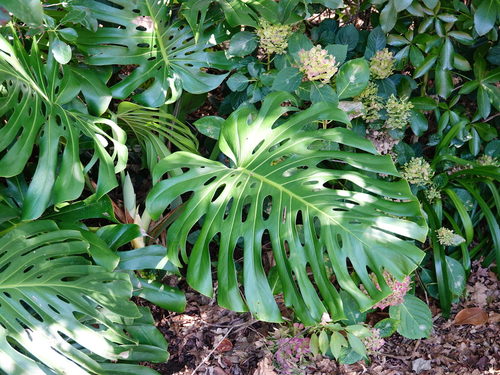
Monstera deliciosa is a popular tropical houseplant known for its large, fenestrated leaves and vining growth habit. It contains insoluble calcium oxalate crystals that can cause irritation if ingested by pets.
Potentially toxic for cats & dogs.

Dracaena trifasciata is a popular, hardy houseplant known for its stiff, sword-like leaves with striking yellow margins. It is widely appreciated for its air-purifying qualities and ability to thrive in various indoor conditions.
Potentially toxic for cats & dogs.
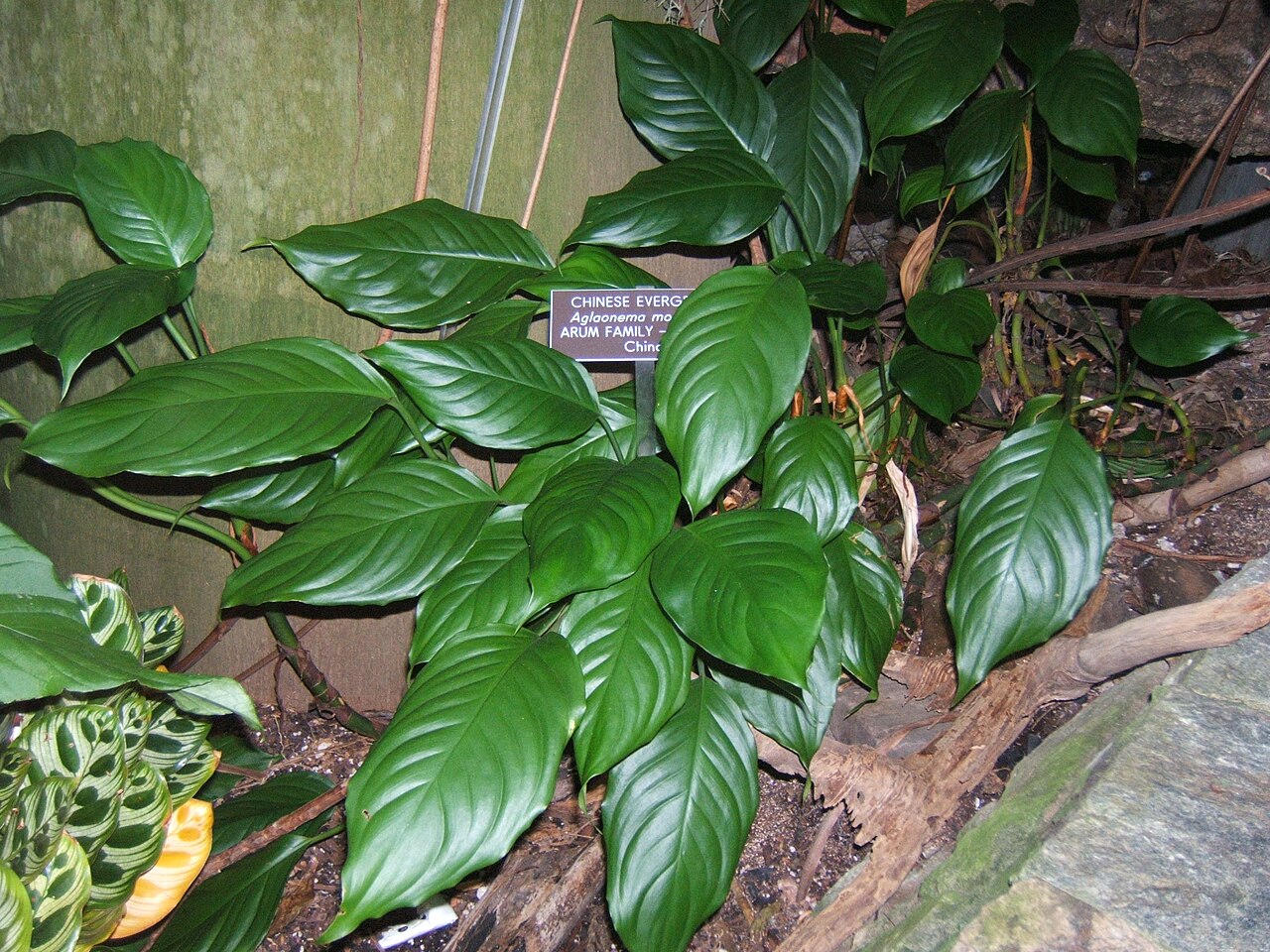
Chinese Evergreen is a popular indoor foliage plant known for its patterned leaves and tolerance of low light conditions. It contains insoluble calcium oxalate crystals that can cause irritation if ingested or chewed.
Potentially toxic for cats & dogs.
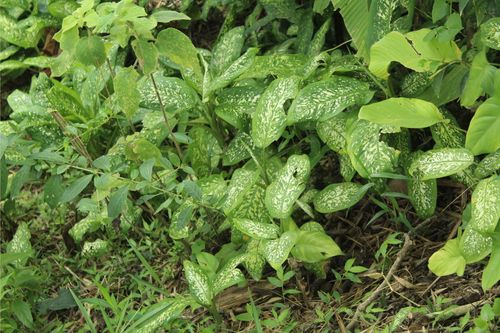
Dieffenbachia is a popular tropical houseplant known for its large, variegated leaves. It contains insoluble calcium oxalate crystals that can cause irritation if ingested or chewed.
Potentially toxic for cats & dogs.