Dogs
Generally safeConsulted references do not classify the plant as toxic for that pet type, while still allowing for mild GI upset if large amounts are chewed.
Verified against ASPCA/provenance audit 2026-05-06 on May 6, 2026.
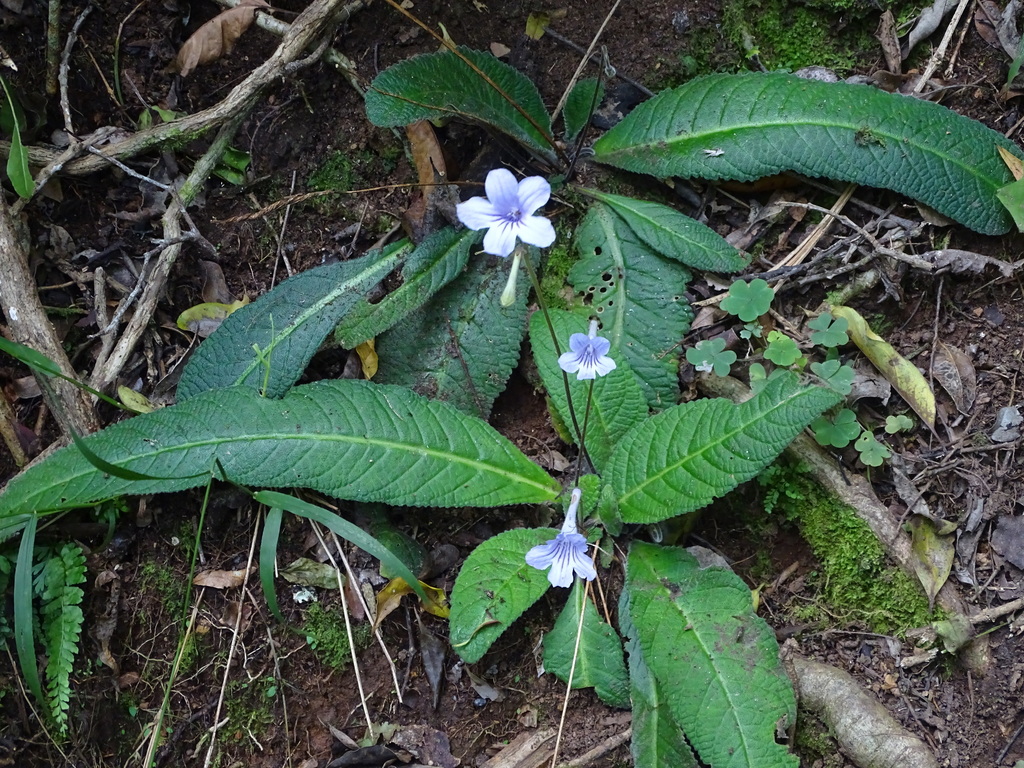
Streptocarpus spp.
Cape Primrose is a popular flowering houseplant known for its trumpet-shaped blooms and fuzzy, textured foliage. It is considered non-toxic to pets, making it a safe choice for households with cats and dogs.
Safety status
Dogs
Generally safeConsulted references do not classify the plant as toxic for that pet type, while still allowing for mild GI upset if large amounts are chewed.
Verified against ASPCA/provenance audit 2026-05-06 on May 6, 2026.
ASPCA lists Cape Primrose as non-toxic to dogs, so a Streptocarpus chewed or knocked off a shelf by a curious dog is not a poisoning risk.
Sources: ASPCA.
If a pet has chewed or swallowed plant material and is showing symptoms, contact a veterinarian or poison resource immediately. This product is for structured reference, not diagnosis.
Dogs — concern notes
Common signs
None expected; however, ingestion of large amounts of fibrous plant material may cause mild gastrointestinal upset such as vomiting or diarrhea.
Escalation note
This plant is considered non-toxic. If your dog consumes a significant amount and shows signs of distress, contact your veterinarian as a precaution.
Bring it home
Cape Primroseis generally pet-safe in ordinary household exposure. If you’d like one for your space, here’s a starting point.
Shop on AmazonSome links earn us a small commission. They never affect our safety classifications.
ASPCA Toxic and Non-Toxic Plants List
toxicology · 99% reliability
Cape Primrose is listed as non-toxic to both cats and dogs by the ASPCA.
NC State Extension Plant Toolbox: Streptocarpus
botanical · 94% reliability
Provides botanical identification and horticultural care requirements for Streptocarpus species.
No, Cape Primrose (Streptocarpus spp.) is considered non-toxic to dogs. It is classified as generally safe for households with dogs, verified against ASPCA provenance data as of May 2026.
Eating a small amount is unlikely to cause any problems. If your dog consumes a large quantity of the fibrous leaves or stems, mild gastrointestinal upset such as vomiting or diarrhea is possible due to the volume of plant material, not any toxic compound.
Monitor your dog for signs of stomach upset — vomiting, diarrhea, or lethargy — especially if a large amount was eaten. A small nibble generally requires no action. If your dog ate a significant portion and is showing distress, contact your veterinarian as a precaution.
The textured, hairy foliage of Cape Primrose is not documented to cause irritation in dogs. Because the plant is non-toxic, any reaction from chewing it would most likely be limited to mild GI upset from ingesting fibrous material in quantity, not a chemical or allergenic response.
Same dog verdict
Aechmea magdalenae is a species of bromeliad known for its large, spiny leaves and striking inflorescence. While many bromeliads are considered non-toxic, the physical structure of this plant poses mechanical injury risks to pets.
Generally safe for cats & dogs.
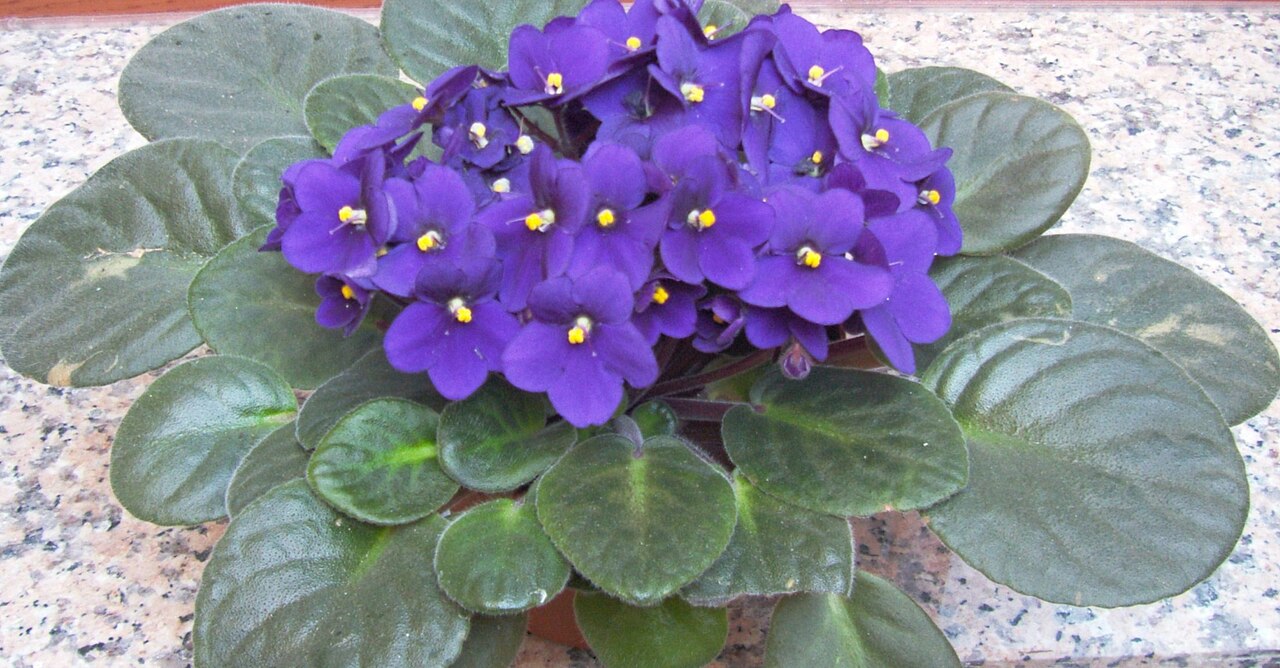
African Violets are popular, low-growing flowering houseplants known for their fuzzy leaves and vibrant blooms. They are considered non-toxic to both cats and dogs.
Generally safe for cats & dogs.
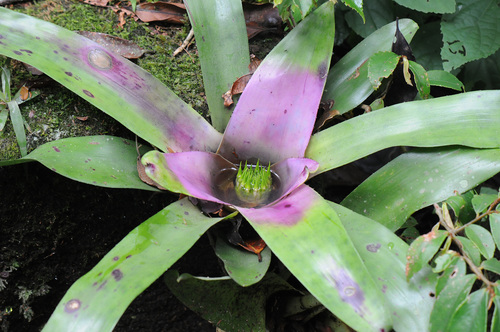
Neoregelia are popular bromeliads known for their vibrant, colorful foliage and water-holding central cups. They are generally considered safe for households with pets, though their fibrous leaves may cause minor digestive irritation if consumed in large quantities.
Generally safe for cats & dogs.
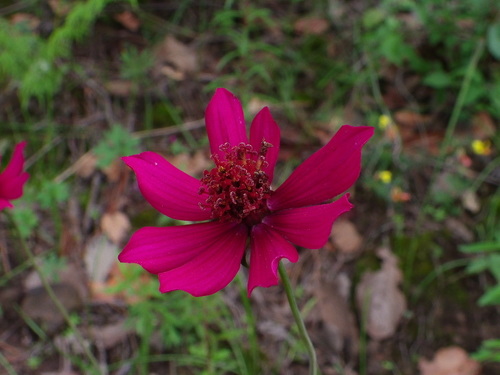
Garden cosmos is a daisy-like annual usually treated as a pet-safe flowering option, though any large plant ingestion can still cause mild stomach upset.
Generally safe for cats & dogs.