Cats
Potentially toxicConsulted references classify the plant as toxic or irritating for that pet type.
Verified against ASPCA/provenance audit 2026-05-06 on May 6, 2026.
Sources
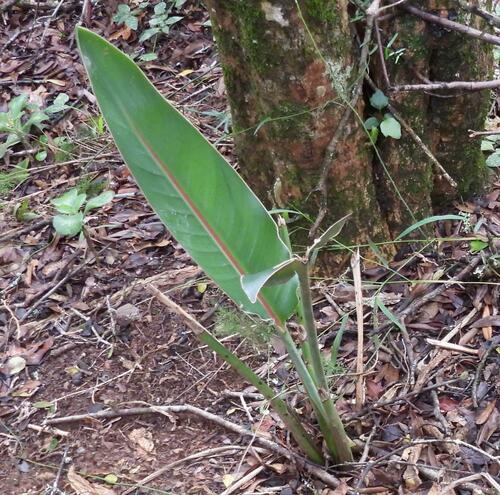
Strelitzia reginae
The Bird of Paradise is a popular tropical houseplant known for its striking, crane-like orange and blue flowers. While visually stunning, it contains compounds that can cause gastrointestinal distress if ingested by pets.
Safety status
Cats
Potentially toxicConsulted references classify the plant as toxic or irritating for that pet type.
Verified against ASPCA/provenance audit 2026-05-06 on May 6, 2026.
Sources
Cats — toxic, but on the milder end. ASPCA lists Strelitzia reginae as toxic to cats, with the trouble concentrated in the fruit and seeds rather than the leaves. Most exposures are nibbled foliage and resolve at home; a cat that gets into the brightly colored seeds is the worry.
Mild nausea, vomiting, and drowsiness are the signs ASPCA documents. A normally bright cat going quiet and lethargic after chewing a Bird of Paradise — especially after getting into the flower or its seeds — is the picture to watch for. Most cases stay mild.
Onset of GI signs is typically within a few hours of ingestion. ASPCA does not give a recovery window for cats; mild cases generally resolve within 24 hours but exact timing is not well documented.
Call your vet if vomiting happens more than once or twice, if your cat is unusually drowsy or unsteady, or if you know seeds were ingested. Call ASPCA Animal Poison Control (888-426-4435) for any seed ingestion to triage severity.
Sources: ASPCA (no first-aid guidance).
If a pet has chewed or swallowed plant material and is showing symptoms, contact a veterinarian or poison resource immediately. This product is for structured reference, not diagnosis.
Cats — concern notes
Common signs
Nausea, vomiting, and drowsiness.
Escalation note
Ingestion typically results in mild to moderate gastrointestinal upset. Please contact your veterinarian if your cat has ingested any part of this plant.
Safer alternatives
Some links earn us a small commission. They never affect our safety classifications.
ASPCA Toxic Plant List
toxicology · 99% reliability
Bird of Paradise Flower is toxic to both cats and dogs, causing nausea, vomiting, and drowsiness.
Yes, Bird of Paradise (Strelitzia reginae) is considered potentially toxic to cats. Ingestion typically causes mild to moderate gastrointestinal upset, including nausea, vomiting, and drowsiness.
The documented signs are nausea, vomiting, and drowsiness. A normally alert cat going quiet and lethargic after chewing on the plant — especially the flower or seeds — is the typical picture. Most cases stay mild.
Monitor your cat closely for vomiting, nausea, and unusual drowsiness, which can appear within a few hours. Call your vet if vomiting occurs more than once or twice or your cat seems unsteady. If seeds were ingested, call ASPCA Animal Poison Control at (888) 426-4435 immediately, as seeds may carry greater risk and warrant direct triage.
Seed ingestion is specifically flagged as a reason to call ASPCA Animal Poison Control (888-426-4435) to triage severity, suggesting seeds pose a higher concern than leaves or flowers. The overall toxicity is documented as mild to moderate GI upset, but the exact risk difference between plant parts is not fully characterized in the available data.
Same cat verdict
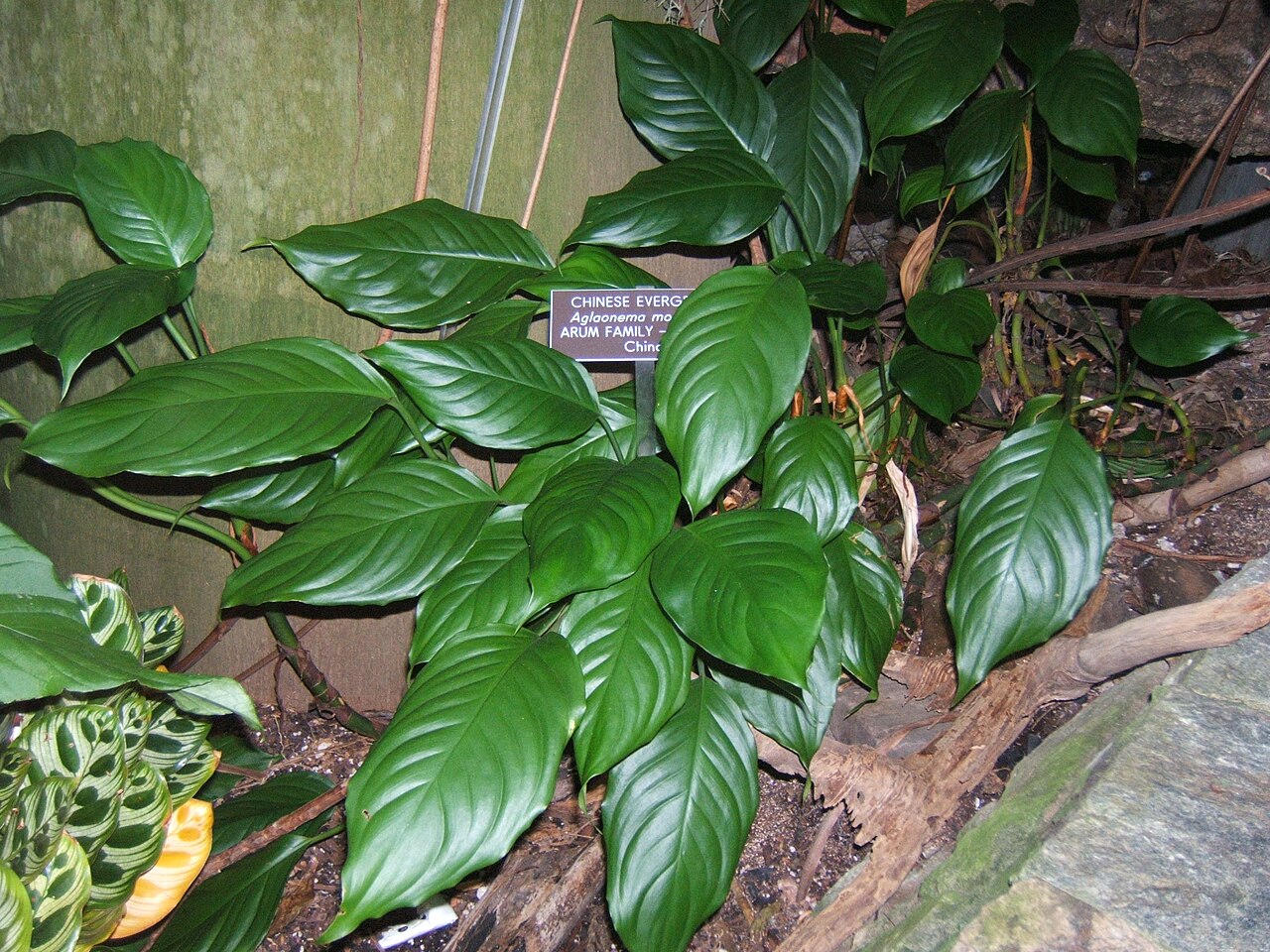
Chinese Evergreen is a popular indoor foliage plant known for its patterned leaves and tolerance of low light conditions. It contains insoluble calcium oxalate crystals that can cause irritation if ingested or chewed.
Potentially toxic for cats & dogs.
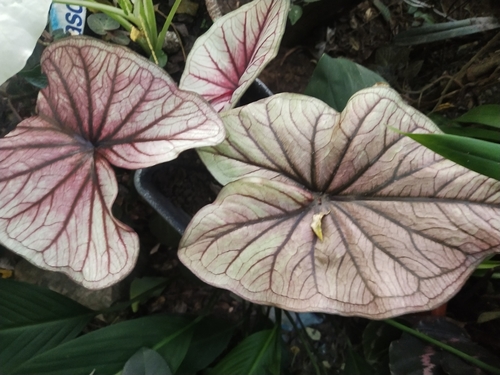
Caladiums are popular tropical foliage plants known for their vibrant, heart-shaped leaves. They contain insoluble calcium oxalate crystals that can cause irritation if ingested.
Potentially toxic for cats & dogs.
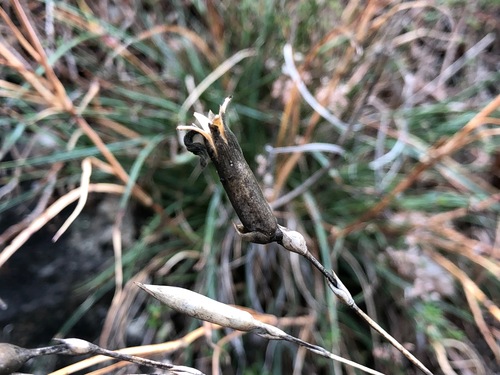
The carnation is a popular flowering plant known for its ruffled petals and spicy fragrance. While beautiful in bouquets, it contains compounds that can cause mild irritation if ingested by pets.
Potentially toxic for cats & dogs.
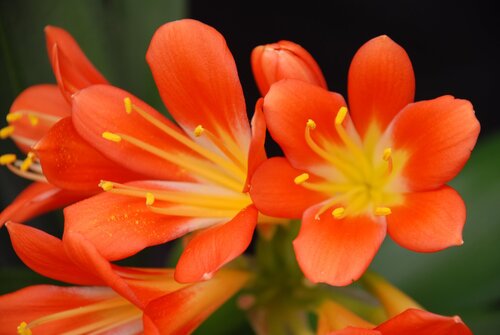
Clivia miniata is a popular flowering houseplant known for its vibrant orange or red clusters of blooms. It contains lycorine and other alkaloids that can cause gastrointestinal distress if ingested by pets.
Potentially toxic for cats & dogs.