Cats
Potentially toxicConsulted references classify the plant as toxic or irritating for that pet type.
Verified against ASPCA/provenance audit 2026-05-06 on May 6, 2026.
Sources
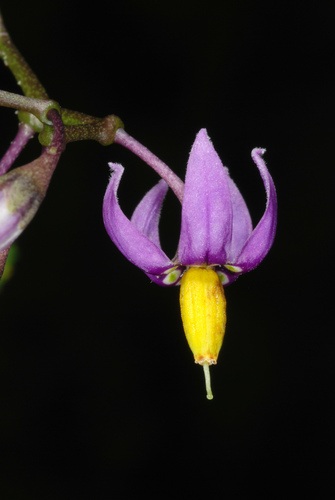
Solanum dulcamara
Climbing Nightshade is a perennial vine in the nightshade family known for its star-shaped purple flowers and bright red berries. It contains solanine alkaloids that are harmful to pets if ingested.
Safety status
Cats
Potentially toxicConsulted references classify the plant as toxic or irritating for that pet type.
Verified against ASPCA/provenance audit 2026-05-06 on May 6, 2026.
Sources
Cats — toxic. ASPCA classifies climbing/bittersweet nightshade as toxic to cats; the toxic principle is solanine, a steroidal alkaloid concentrated most heavily in the unripe green berries and leaves. Cats rarely chew bitter foliage on purpose, so most exposures involve a curious cat batting and biting the bright red ripe berries.
ASPCA lists hypersalivation (drooling), vomiting, and diarrhea as the common signs in cats. Less commonly: drowsiness/lethargy, low blood pressure (weak pulse, pale gums), and a slow heart rate. Severe ingestions can progress to weakness, tremors, or trouble breathing — those are emergencies.
Onset of GI signs is typically within a few hours of ingestion. Recovery from minor exposures can occur within hours; serious cases may take 24–48 hours of supportive veterinary care. Exact timing is not well documented in the ASPCA listing.
Call your vet or ASPCA Animal Poison Control (888-426-4435) any time you find chewed berries or know your cat ate the plant — and call immediately for a cat that is weak, wobbly, breathing oddly, has very pale gums, or is unresponsive. Don't wait for symptoms if a kitten or small cat ate berries; smaller body mass means a smaller dose to cause trouble.
Sources: ASPCA (no first-aid guidance).
If a pet has chewed or swallowed plant material and is showing symptoms, contact a veterinarian or poison resource immediately. This product is for structured reference, not diagnosis.
Cats — concern notes
Common signs
Drooling, vomiting, diarrhea, lethargy, and in severe cases, tremors or cardiac arrhythmias.
Escalation note
Ingestion of any part of the plant, especially the berries, can be dangerous. Please contact your veterinarian or an animal poison control center immediately if you suspect ingestion.
Safer alternatives
No hand-picked alternatives for this plant yet. You can still pick your own using the Compare button on any other plant.
ASPCA Toxic Plant List
toxicology · 99% reliability
Bittersweet Nightshade contains solanine alkaloids which are toxic to dogs and cats.
Yes, Bittersweet Nightshade (Solanum dulcamara) is toxic to cats. It contains solanine alkaloids, and ingestion of any part of the plant — especially the bright red berries — can cause drooling, vomiting, diarrhea, lethargy, and in severe cases, tremors or cardiac arrhythmias.
The most common signs are hypersalivation (drooling), vomiting, and diarrhea, typically appearing within a few hours of ingestion. Less common signs include drowsiness, weak pulse, pale gums, and a slow heart rate. Severe ingestions can progress to weakness, tremors, or difficulty breathing, which are emergencies requiring immediate veterinary care.
Call your vet or the ASPCA Animal Poison Control Center at (888) 426-4435 right away — don't wait for symptoms to appear, especially if a kitten or small cat ate berries. Minor exposures may resolve within hours, but serious cases can require 24–48 hours of supportive veterinary care.
The berries are considered the most dangerous part and are a particular concern because their bright red color can attract curious cats. That said, all parts of the plant contain solanine alkaloids and can be harmful — contact a vet or ASPCA Animal Poison Control (888) 426-4435 any time your cat has chewed any part of the plant.
Same cat verdict
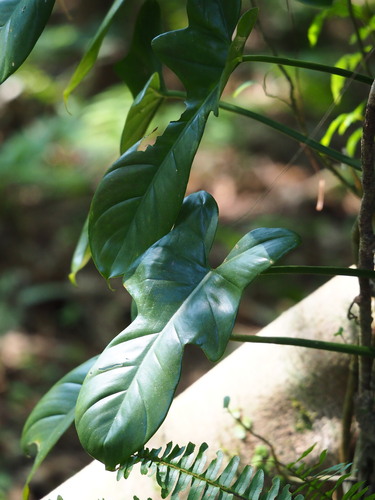
Philodendron bipennifolium is a popular vining aroid known for its unique, fiddle-shaped foliage. Like many members of the Araceae family, it contains insoluble calcium oxalate crystals that can cause irritation if ingested.
Potentially toxic for cats & dogs.
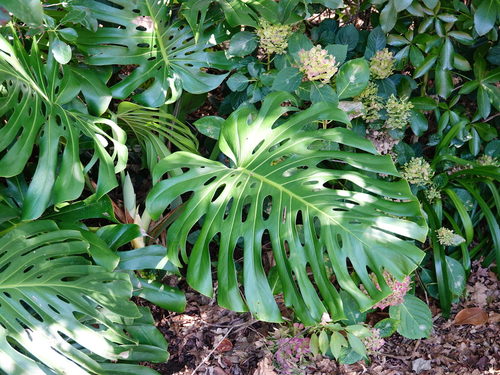
Monstera deliciosa is a popular tropical houseplant known for its large, fenestrated leaves and vining growth habit. It contains insoluble calcium oxalate crystals that can cause irritation if ingested by pets.
Potentially toxic for cats & dogs.
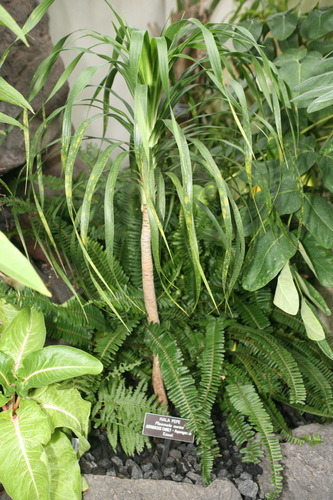
Dracaena trifasciata is a popular, hardy houseplant known for its stiff, sword-like leaves with striking yellow margins. It is widely appreciated for its air-purifying qualities and ability to thrive in various indoor conditions.
Potentially toxic for cats & dogs.
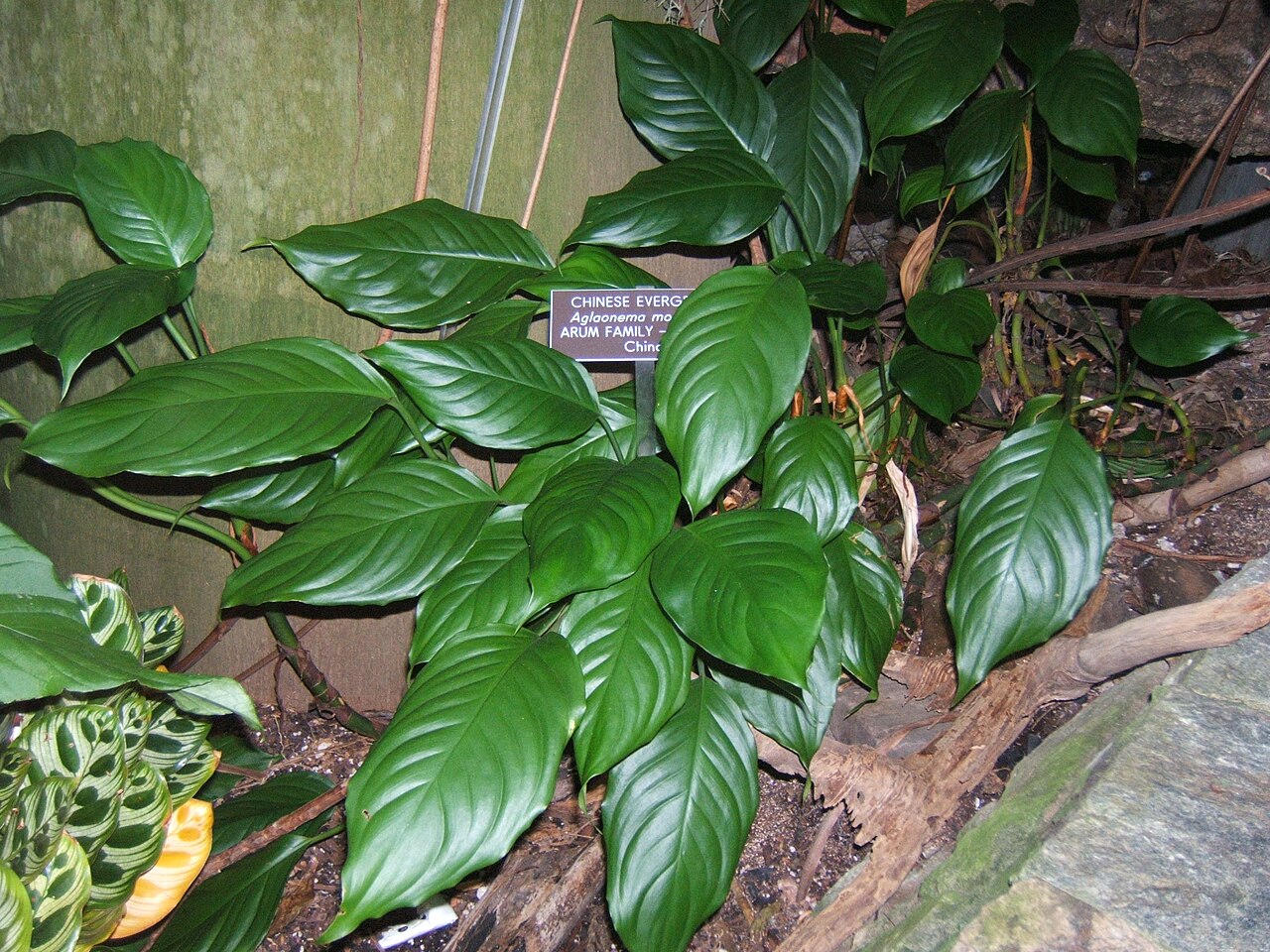
Chinese Evergreen is a popular indoor foliage plant known for its patterned leaves and tolerance of low light conditions. It contains insoluble calcium oxalate crystals that can cause irritation if ingested or chewed.
Potentially toxic for cats & dogs.