Cats & Dogs
Generally safeConsulted references do not classify the plant as toxic for that pet type, while still allowing for mild GI upset if large amounts are chewed.
Verified against ASPCA/provenance audit 2026-05-06 on May 6, 2026.
Sources
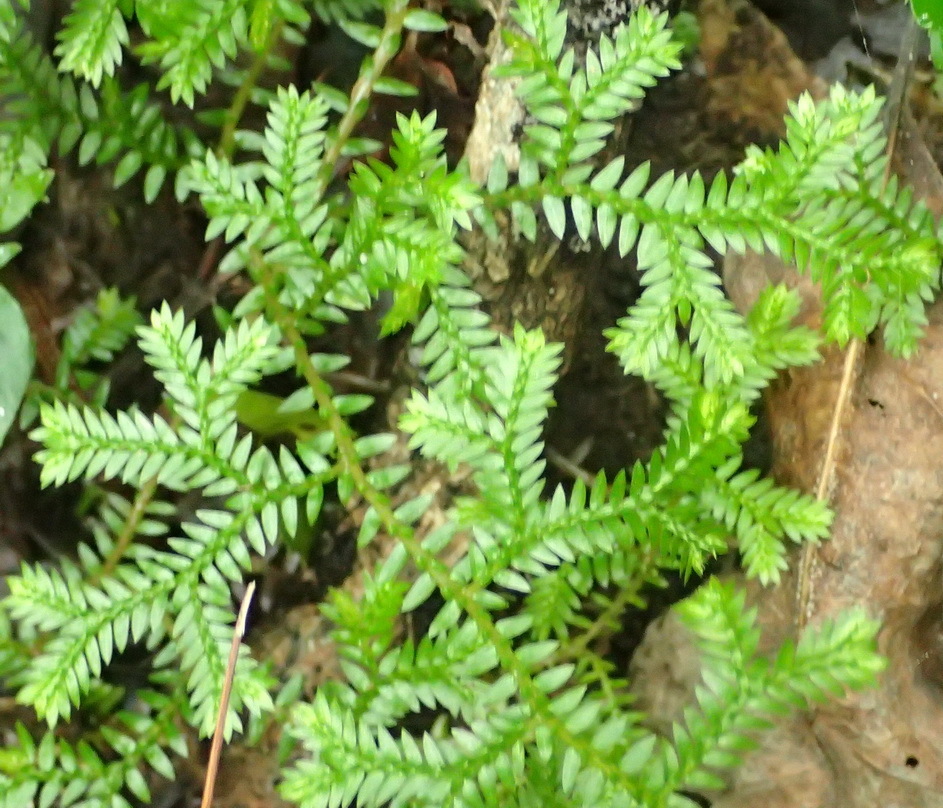
Selaginella kraussiana
Club Moss is a low-growing, fern-like plant often used in terrariums and as a ground cover. It is considered non-toxic to pets, though its fibrous nature may cause minor digestive upset if consumed in large quantities.
Safety status
Cats & Dogs
Generally safeConsulted references do not classify the plant as toxic for that pet type, while still allowing for mild GI upset if large amounts are chewed.
Verified against ASPCA/provenance audit 2026-05-06 on May 6, 2026.
Sources
If a pet has chewed or swallowed plant material and is showing symptoms, contact a veterinarian or poison resource immediately. This product is for structured reference, not diagnosis.
Cats — concern notes
Common signs
None expected, though large ingestions of fibrous plant material may cause mild vomiting or diarrhea.
Escalation note
The plant is non-toxic; however, if your cat consumes a significant amount and shows persistent signs of distress, contact your veterinarian.
Dogs — concern notes
Common signs
None expected, though large ingestions of fibrous plant material may cause mild vomiting or diarrhea.
Escalation note
The plant is non-toxic; however, if your dog consumes a significant amount and shows persistent signs of distress, contact your veterinarian.
Bring it home
Club Mossis generally pet-safe in ordinary household exposure. If you’d like one for your space, here’s a starting point.
Shop on AmazonSome links earn us a small commission. They never affect our safety classifications.
ASPCA Toxic Plant List
toxicology · 99% reliability
Club Moss is listed as non-toxic to cats and dogs.
Kew Plants of the World Online
botanical · 95% reliability
Accepted botanical classification for Selaginella kraussiana.
No, Club Moss (Selaginella kraussiana) is non-toxic to cats. It is considered generally safe, meaning exposure is not expected to cause poisoning or serious harm.
No toxic symptoms are expected. However, because Club Moss is a fibrous plant, eating a large amount may cause mild vomiting or diarrhea from the bulk plant material alone, not from any toxic compound.
A one-time nibble does not require an emergency call. If your cat ate a significant quantity and shows persistent vomiting, diarrhea, or signs of distress, contact your veterinarian.
Non-toxic means the plant does not contain compounds known to poison cats, but that does not make it a safe snack in quantity. Large ingestions of any fibrous plant material can upset a cat's digestive system, so it is best to discourage your cat from eating it.
No, Club Moss (Selaginella kraussiana) is non-toxic to dogs. It is classified as generally safe, meaning it does not contain poisonous compounds that would harm your dog.
Because Club Moss is fibrous, eating a large amount may cause mild vomiting or diarrhea, but no toxic reaction is expected. Small nibbles are unlikely to cause any symptoms at all.
Club Moss itself is non-toxic, so no amount poses a poisoning risk. That said, any large ingestion of fibrous plant material can cause temporary GI upset — the concern is mechanical irritation, not toxicity.
Club Moss is non-toxic, so most dogs won't need veterinary care after eating it. If your dog consumed a significant quantity and shows persistent vomiting, diarrhea, or signs of distress that don't resolve within a few hours, contact your veterinarian.
Same safety verdict
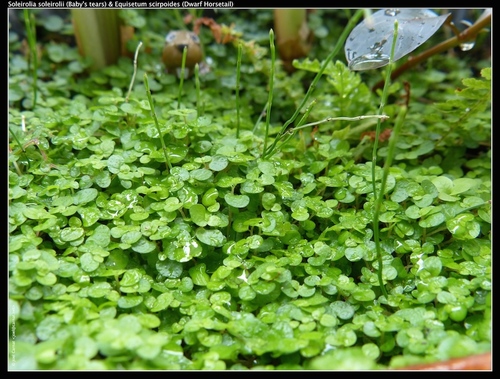
Baby Tears is a delicate, creeping groundcover often grown in terrariums or as a houseplant for its dense, moss-like appearance. It is considered non-toxic to pets, though ingestion of large amounts of plant material may cause minor digestive upset.
Generally safe for cats & dogs.
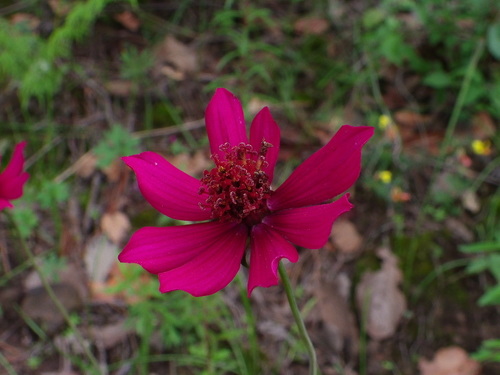
Garden cosmos is a daisy-like annual usually treated as a pet-safe flowering option, though any large plant ingestion can still cause mild stomach upset.
Generally safe for cats & dogs.
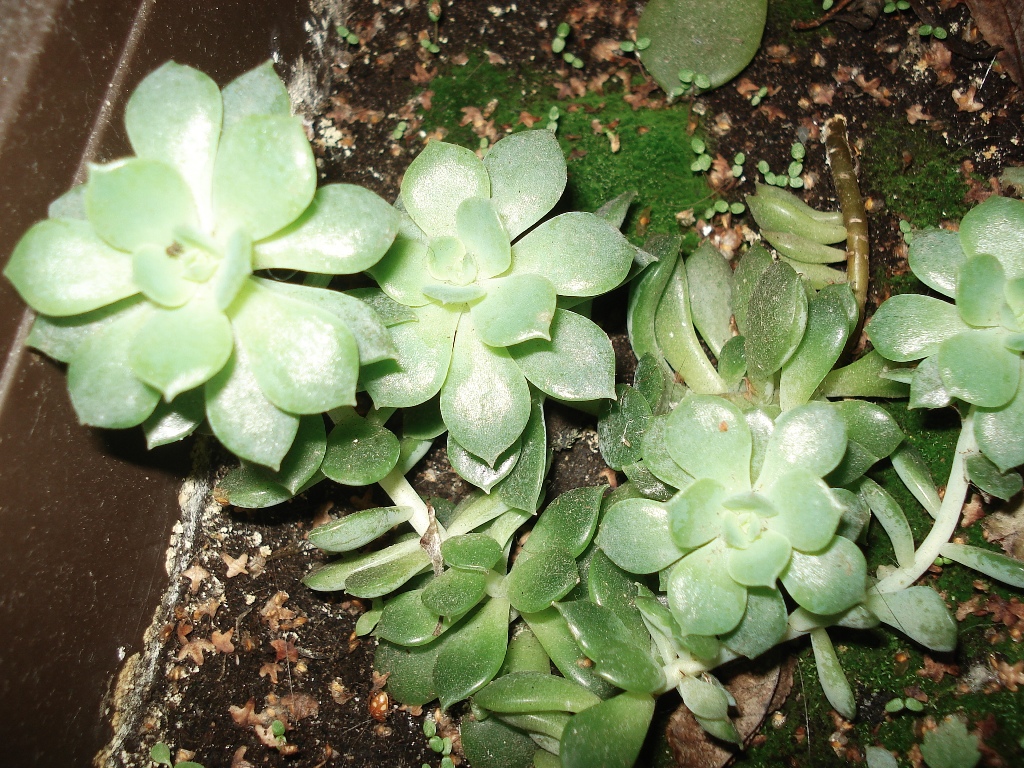
Echeveria is a popular, rosette-forming succulent known for its fleshy, architectural leaves and ease of care. It is considered non-toxic to pets, though ingestion of large amounts of fibrous plant material may cause minor digestive discomfort.
Generally safe for cats & dogs.
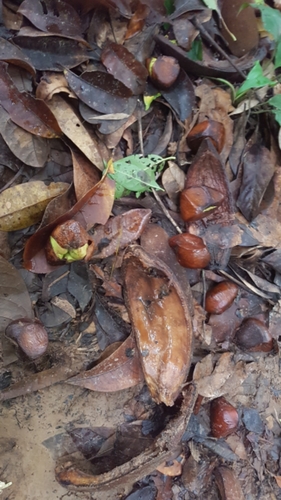
The Money Tree is a popular indoor plant known for its braided trunk and palm-like leaves, often associated with good luck and prosperity in home decor.
Generally safe for cats & dogs.
Same growing conditions
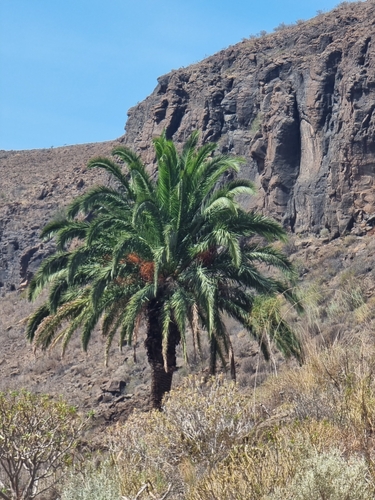
The Dwarf Date Palm is a slow-growing, stemless palm species native to the grasslands of India. It is widely appreciated for its compact, architectural foliage that mimics the appearance of larger date palms in a miniature form.
Generally safe for cats & dogs.
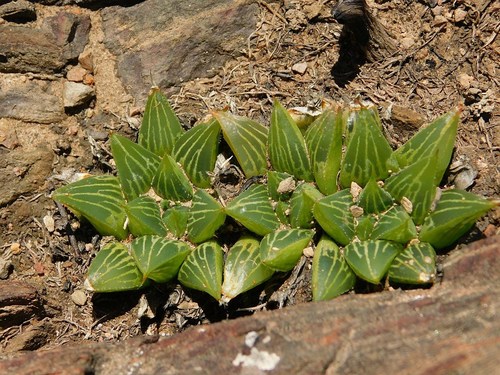
Haworthia is a genus of small, succulent plants known for their rosette-forming leaves and ease of care. They are generally considered safe for households with pets.
Generally safe for cats.
Not yet rated for dogs.
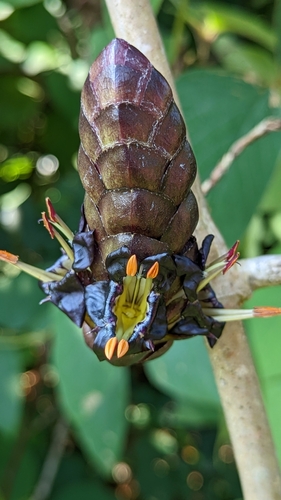
The Purple Waffle Plant is a popular, low-growing tropical houseplant known for its puckered, metallic-purple foliage. It is considered non-toxic to pets, though ingestion of large amounts of plant material may cause minor digestive discomfort.
Generally safe for cats & dogs.
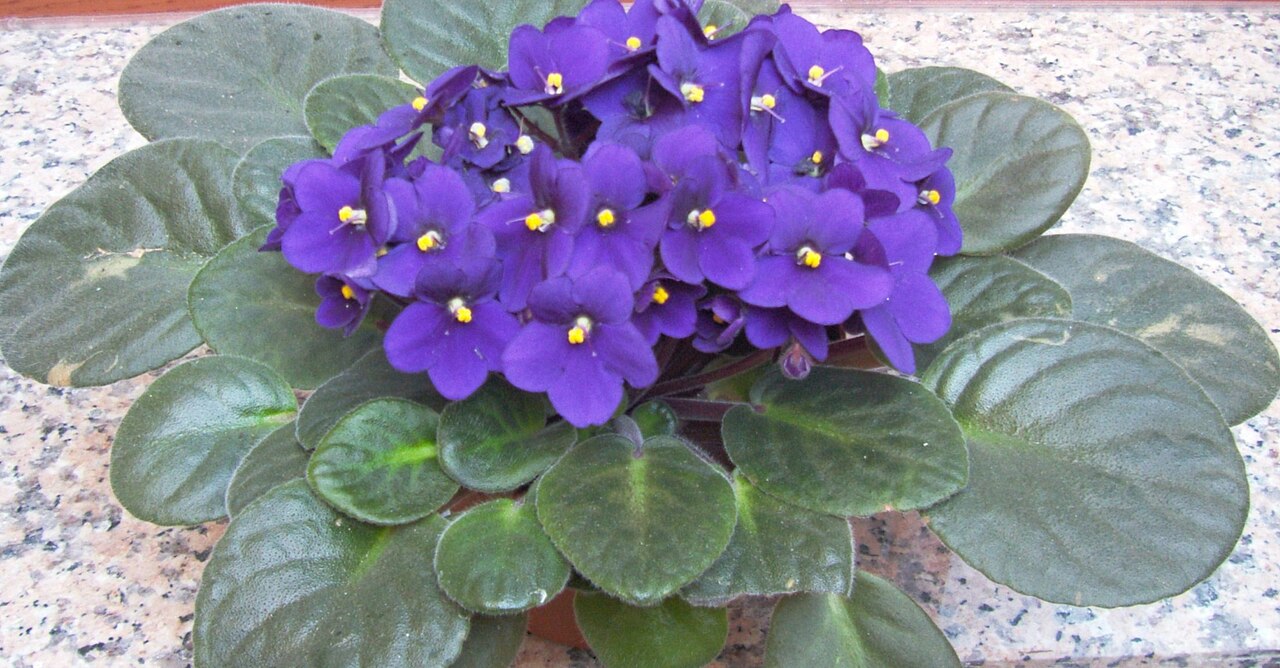
African Violets are popular, low-growing flowering houseplants known for their fuzzy leaves and vibrant blooms. They are considered non-toxic to both cats and dogs.
Generally safe for cats & dogs.