Cats
Potentially toxicConsulted references classify the plant as toxic or irritating for that pet type.
Verified against ASPCA/provenance audit 2026-05-06 on May 6, 2026.
Sources
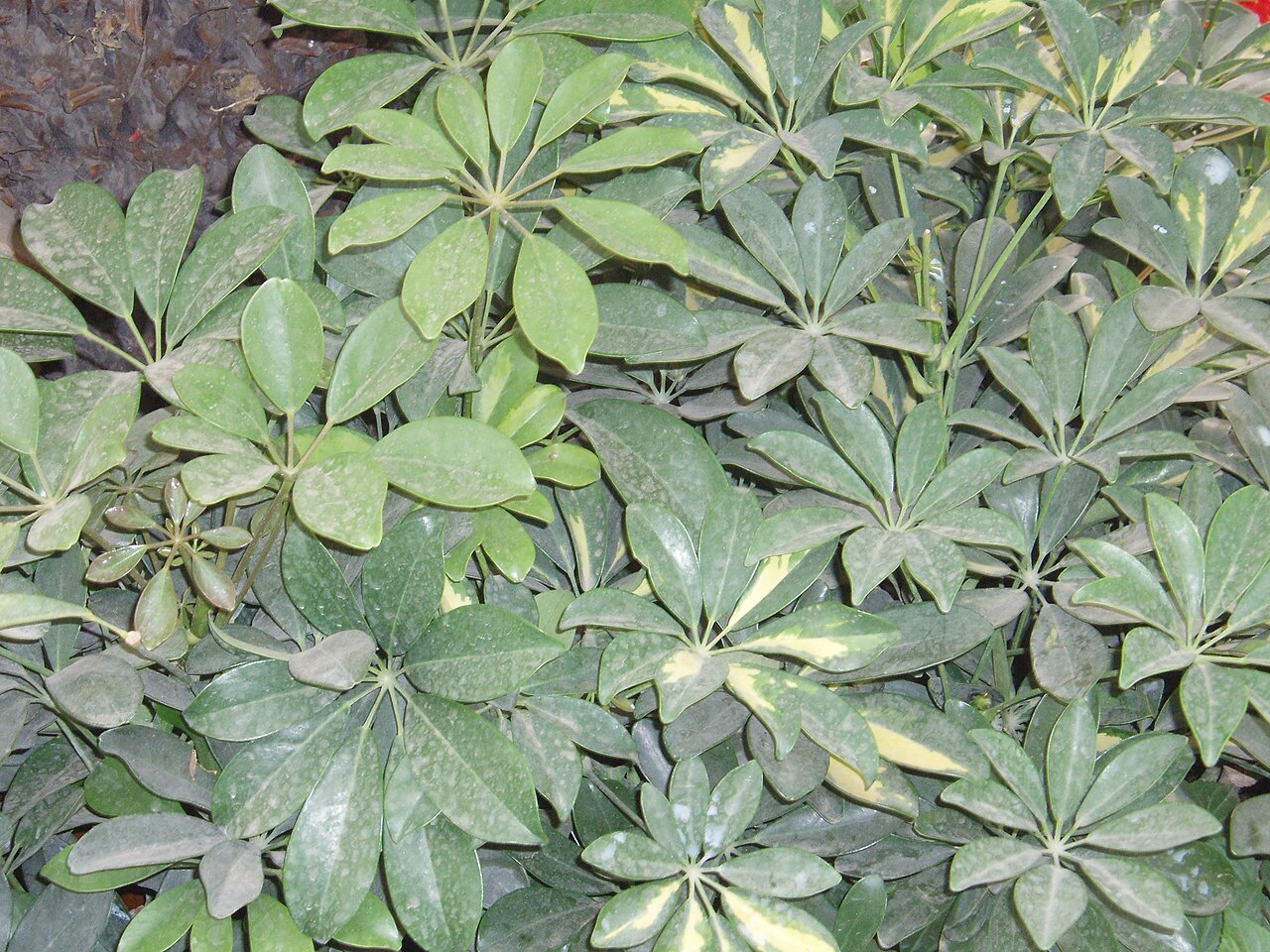
Schefflera arboricola
Schefflera is a popular tropical houseplant known for its glossy, palm-like leaflets arranged in a circular pattern. It contains insoluble calcium oxalate crystals that can cause irritation upon ingestion.
Safety status
Cats
Potentially toxicConsulted references classify the plant as toxic or irritating for that pet type.
Verified against ASPCA/provenance audit 2026-05-06 on May 6, 2026.
Sources
Cats that chew schefflera get an immediate burning mouthful of needle-like calcium oxalate crystals. The pain comes on within seconds, which usually deters more eating, but a curious cat can still get a nasty oral injury. Most cases respond to home care plus a vet check, but airway swelling is the rare outcome to rule out.
Sudden drooling and pawing at the face are the giveaways, often with head shaking and lip-smacking. Vomiting and refusal to eat usually follow. The serious-but-rare signs are visible swelling of the lips, tongue, or throat and any change in how your cat is breathing.
Onset is within seconds. Most cats are visibly improved within a few hours and back to normal within 24–48 hours with supportive care.
Call immediately for any swelling around the mouth or throat, noisy or labored breathing, or repeated vomiting. Even with mild signs, a same-day call is right — cats can hide oral pain and stop drinking, which leads to dehydration.
Wipe out the mouth with a damp cloth to remove any remaining plant material, then offer a small amount of milk or yogurt — the calcium helps bind the oxalate crystals and ease the burn. Rinse paws and fur if your cat had contact. Do not induce vomiting. Call your vet or Pet Poison Helpline next.
Sources: ASPCA, Pet Poison Helpline.
If a pet has chewed or swallowed plant material and is showing symptoms, contact a veterinarian or poison resource immediately. This product is for structured reference, not diagnosis.
Cats — concern notes
Common signs
Oral irritation, intense burning and irritation of mouth, tongue and lips, excessive drooling, vomiting, and difficulty swallowing.
Escalation note
The insoluble calcium oxalate crystals cause immediate mechanical irritation. If your cat has ingested this plant, please contact your veterinarian or a pet poison control center.
Safer alternatives
Some links earn us a small commission. They never affect our safety classifications.
ASPCA Toxic Plant List
toxicology · 99% reliability
Schefflera is listed as toxic to both cats and dogs due to the presence of calcium oxalate crystals.
NC State Extension Plant Toolbox
botanical · 94% reliability
Schefflera arboricola is a broadleaf evergreen shrub often grown as a houseplant, known for its palmate leaves.
Yes, Schefflera (Schefflera arboricola) is toxic to cats. It contains insoluble calcium oxalate crystals that cause immediate oral irritation, intense burning of the mouth, tongue, and lips, excessive drooling, vomiting, and difficulty swallowing.
Onset is within seconds — look for sudden drooling, pawing at the face, head shaking, and lip-smacking. Vomiting and refusal to eat usually follow. In rare cases, visible swelling of the lips, tongue, or throat can occur, which is a sign to seek emergency care immediately.
Wipe out your cat's mouth with a damp cloth to remove plant material, then offer a small amount of milk or yogurt — the calcium helps bind the oxalate crystals and ease the burn. Do not induce vomiting. Call your vet or the ASPCA Animal Poison Control Center at (888) 426-4435 right away, and seek emergency care if you see any swelling around the mouth or throat or labored breathing.
Most cats show visible improvement within a few hours and return to normal within 24–48 hours with supportive care. However, because cats can hide oral pain and stop drinking — which leads to dehydration — a same-day call to your vet is appropriate even for mild symptoms.
Same cat verdict
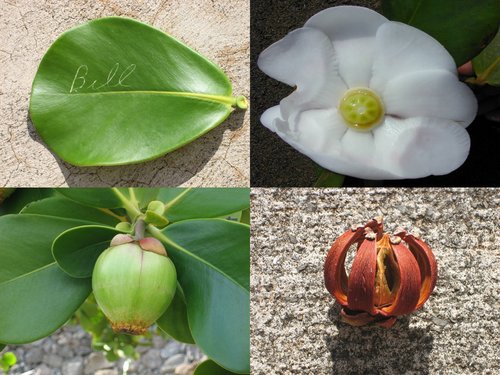
Clusia major is a tropical evergreen shrub known for its thick, leathery leaves and unique ability to grow as an epiphyte. It is commonly kept as a houseplant for its architectural foliage, but it contains compounds that can cause irritation if ingested by pets.
Potentially toxic for cats & dogs.
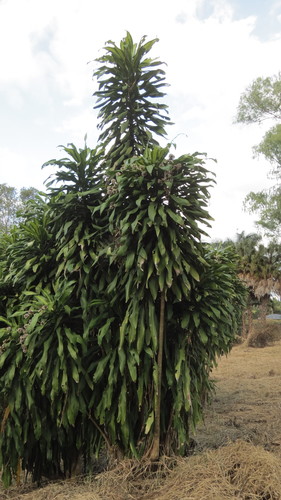
The Corn Plant is a popular indoor shrub known for its long, arching, sword-like leaves that resemble corn stalks. While aesthetically pleasing, it contains saponins that can cause adverse reactions if ingested by pets.
Potentially toxic for cats & dogs.
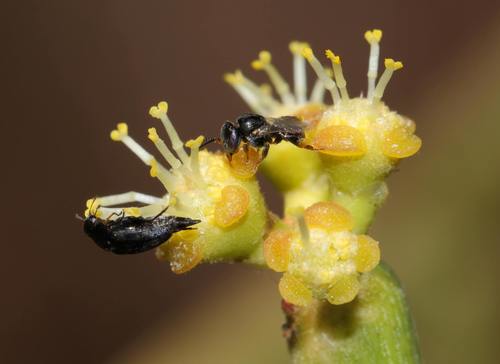
The Pencil Cactus is a succulent shrub known for its pencil-thin, leafless branches that contain a highly irritating milky white sap. It is widely recognized for its ornamental value but requires careful handling due to its toxic properties.
Potentially toxic for cats & dogs.
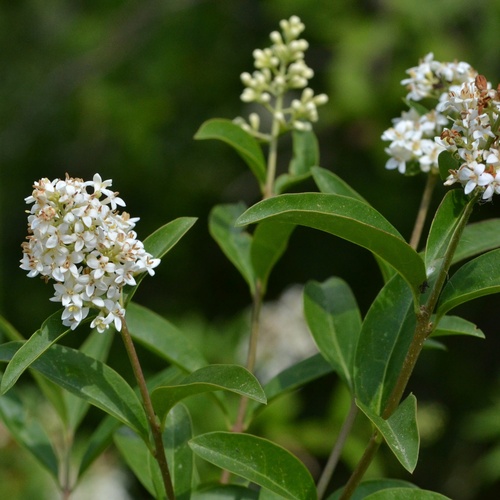
Common Privet is a semi-evergreen shrub often used for hedging that contains toxic compounds throughout the plant, particularly in the berries and leaves. Ingestion can lead to significant gastrointestinal distress in household pets.
Potentially toxic for cats & dogs.