Cats
Potentially toxicConsulted references classify the plant as toxic or irritating for that pet type.
Verified against ASPCA/provenance audit 2026-05-06 on May 6, 2026.
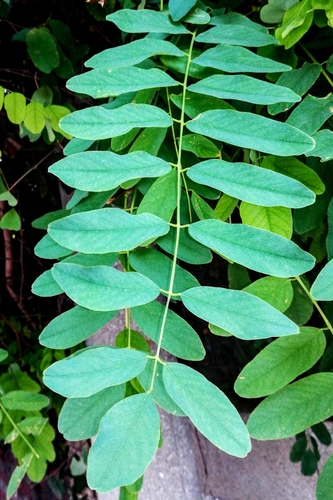
Robinia spp.
Robinia species, commonly known as locust trees, contain toxic proteins and alkaloids throughout the bark, leaves, and seeds. Ingestion can lead to significant gastrointestinal and neurological distress in pets.
Safety status
Cats
Potentially toxicConsulted references classify the plant as toxic or irritating for that pet type.
Verified against ASPCA/provenance audit 2026-05-06 on May 6, 2026.
Cats — toxic. Every part of Black Locust — bark, leaves, seeds, and pods — contains toxalbumins (robin, phasin, and robitin) that damage the GI tract and can stress the heart. Cats rarely chew on locust, but any nibble of bark or a swallowed seed deserves attention because toxalbumins are potent in small amounts.
Vomiting (sometimes bloody), diarrhea (sometimes bloody), depression, refusal to eat, weakness, dilated pupils, cold extremities, and labored breathing. Severe cases can progress to collapse.
Exact onset and recovery times are not well documented in the cited sources. Both ASPCA and Pet Poison Helpline treat Black Locust ingestion as an emergency rather than a wait-and-see, so assume signs can appear within hours.
Call your vet or the ASPCA APCC (888-426-4435) right away on any suspected chew. Bloody vomit or diarrhea, weakness, cold feet, or any breathing change means go to the emergency vet now — don't wait for symptoms to stack up.
Per Pet Poison Helpline, do not attempt home remedies and do not induce vomiting without first speaking to a poison control specialist or veterinarian. Bring a piece of the plant or seed pod for identification.
Sources: ASPCA, Pet Poison Helpline.
If a pet has chewed or swallowed plant material and is showing symptoms, contact a veterinarian or poison resource immediately. This product is for structured reference, not diagnosis.
Cats — concern notes
Common signs
Vomiting, diarrhea, abdominal pain, weakness, and potential cardiac irregularities.
Escalation note
Ingestion of any part of the plant is considered a medical emergency. Please contact your veterinarian or an animal poison control center immediately if ingestion is suspected.
Safer alternatives
No hand-picked alternatives for this plant yet. You can still pick your own using the Compare button on any other plant.
Yes, Black Locust (Robinia spp.) is toxic to cats. The bark, leaves, and seeds all contain toxic proteins and alkaloids, and ingestion of any part is considered a medical emergency.
Watch for vomiting (sometimes bloody), diarrhea (sometimes bloody), abdominal pain, weakness, depression, refusal to eat, dilated pupils, cold extremities, and labored breathing. Severe cases can progress to collapse and potential cardiac irregularities.
Call your vet or the ASPCA Animal Poison Control Center at (888) 426-4435 immediately — do not wait for symptoms to appear. Do not attempt home remedies or induce vomiting without first speaking to a poison control specialist. Bring a piece of the plant or a seed pod to help with identification.
Exact onset times are not well documented, but both the ASPCA and Pet Poison Helpline treat Black Locust ingestion as an emergency rather than a wait-and-see situation — assume signs can appear within hours of ingestion.
Same cat verdict
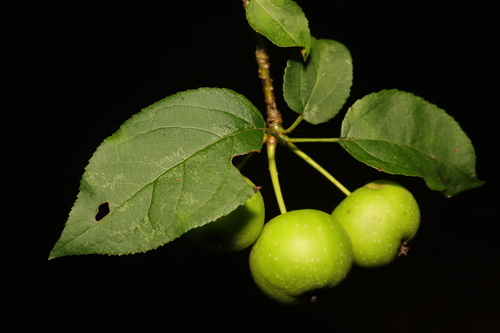
The apple tree is a deciduous fruit-bearing plant known for its edible fruit, though the seeds and foliage contain cyanogenic glycosides that can be harmful if ingested in large quantities. While the fruit flesh is generally safe, the plant parts containing amygdalin pose a risk to pets.
Potentially toxic for cats & dogs.
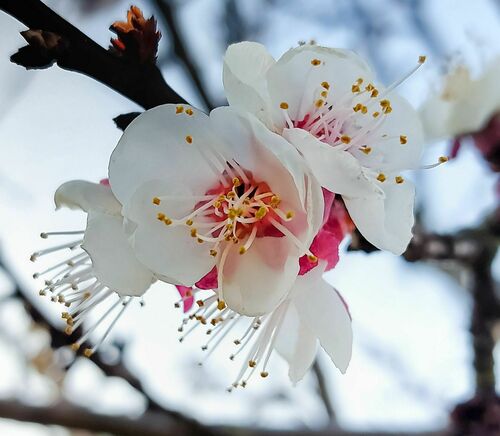
The apricot tree is a fruit-bearing species in the rose family. While the fruit flesh is generally considered safe, the stems, leaves, and seeds contain cyanogenic glycosides that can be harmful if ingested.
Potentially toxic for cats & dogs.
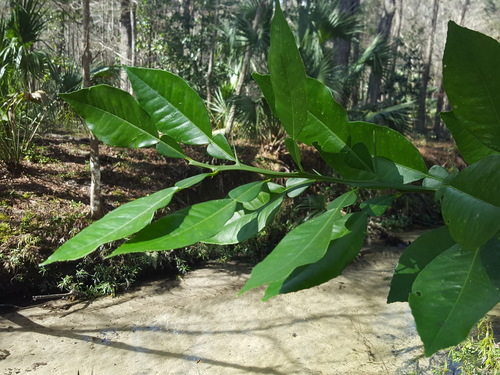
Citrus aurantium is a citrus tree known for its fragrant flowers and bitter fruit, often used in essential oil production. It contains compounds that can cause adverse reactions if ingested by pets.
Potentially toxic for cats & dogs.
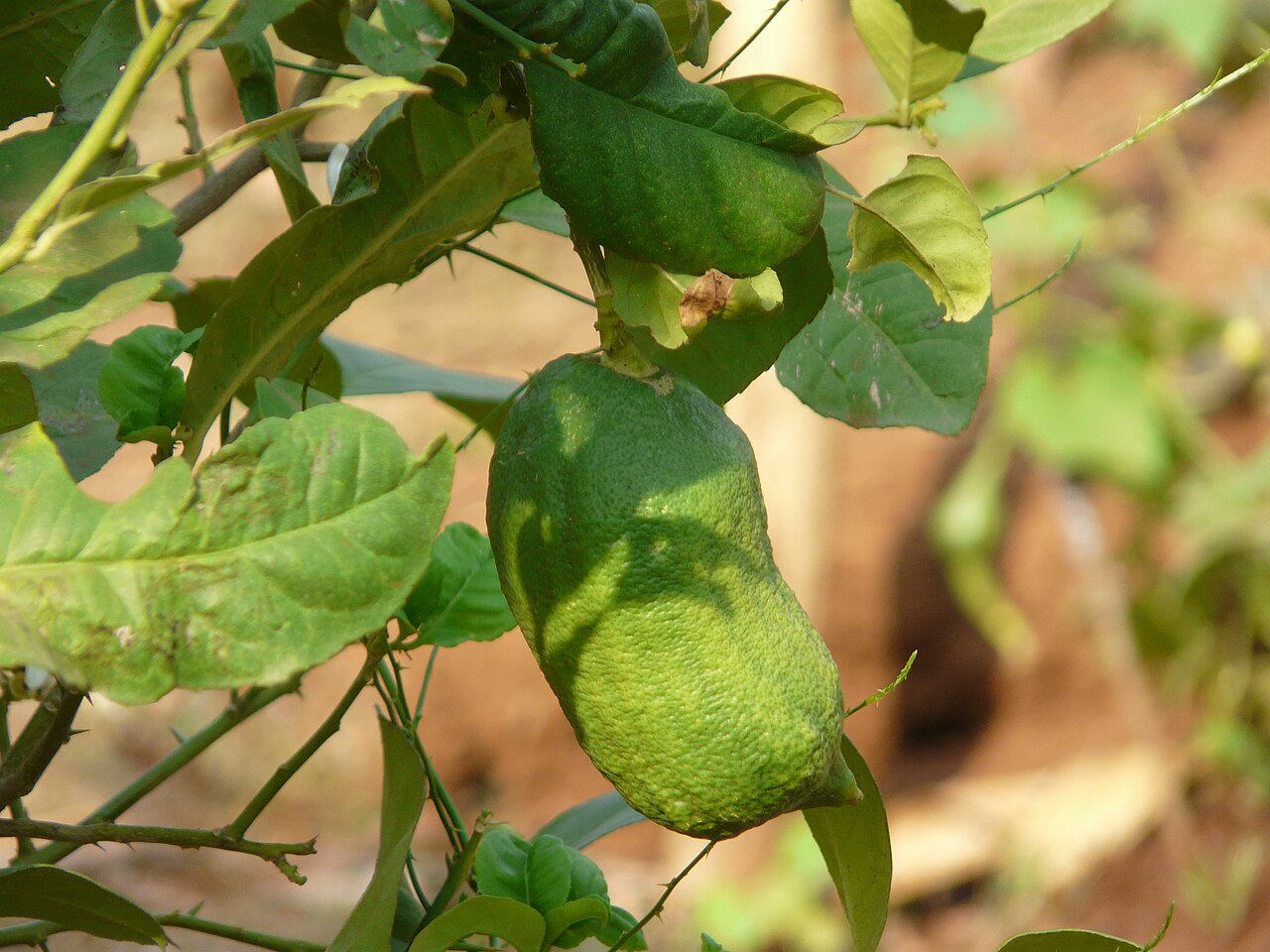
Grapefruit is a citrus tree known for its large, tart fruit and glossy, aromatic foliage. While popular in home orchards, all parts of the plant contain essential oils and psoralens that can cause adverse reactions in pets.
Potentially toxic for cats & dogs.