Dogs
Potentially toxicConsulted references classify the plant as toxic or irritating for that pet type.
Verified against ASPCA/provenance audit 2026-05-06 on May 6, 2026.
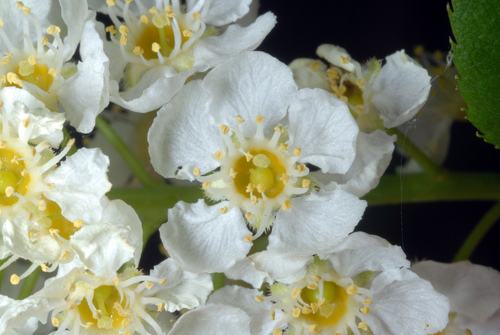
Prunus virginiana
Choke Cherry is a deciduous shrub or small tree known for its clusters of white flowers and dark berries. It contains cyanogenic glycosides which can be harmful if ingested by pets.
Safety status
Dogs
Potentially toxicConsulted references classify the plant as toxic or irritating for that pet type.
Verified against ASPCA/provenance audit 2026-05-06 on May 6, 2026.
Dogs are the pet most likely to actually be poisoned by chokecherry — they're big enough to chew bark, branches, and pits cleared from a yard. ASPCA and Pet Poison Helpline both list chokecherry as toxic to dogs because the leaves, twigs, and seeds release cyanide, especially as cuttings wilt.
Bright-red gums, dilated pupils, panting or fast/labored breathing, drooling, vomiting, staggering, and weakness — escalating to seizures, collapse, and shock. Larger dogs that chewed multiple twigs or pits are at higher risk.
Signs typically begin within 15–60 minutes of meaningful ingestion. Pet Poison Helpline notes chokecherry can cause rapid clinical decline; exact dose-to-onset isn't published.
Call your vet or ASPCA Animal Poison Control (888-426-4435) immediately on suspicion — do not wait for symptoms. Any breathing change, gum-color change, or weakness is an emergency; cyanide poisoning is treatable but only if treatment starts fast.
Sources: ASPCA, Pet Poison Helpline.
If a pet has chewed or swallowed plant material and is showing symptoms, contact a veterinarian or poison resource immediately. This product is for structured reference, not diagnosis.
Dogs — concern notes
Common signs
Excessive drooling, vomiting, rapid breathing, weakness, and potential seizures.
Escalation note
The plant contains compounds that convert to cyanide upon ingestion. Seek immediate veterinary care if you suspect your dog has consumed any part of this plant.
Safer alternatives
No hand-picked alternatives for this plant yet. You can still pick your own using the Compare button on any other plant.
Yes, chokecherry (Prunus virginiana) is toxic to dogs. The plant contains cyanogenic glycosides that convert to cyanide upon ingestion, making it potentially dangerous regardless of which part is consumed — berries, leaves, or twigs.
Signs typically appear within 15–60 minutes of ingestion and include excessive drooling, vomiting, rapid or labored breathing, bright-red gums, dilated pupils, weakness, and staggering — escalating to seizures, collapse, and shock. Larger dogs that chewed multiple twigs or pits face higher risk.
Call your vet or the ASPCA Animal Poison Control Center at (888) 426-4435 immediately — do not wait for symptoms to appear. Cyanide poisoning is treatable but only if care starts fast; any change in breathing, gum color, or sudden weakness should be treated as an emergency.
Chokecherry leaves, bark, and pits contain cyanogenic glycosides that the body converts to hydrogen cyanide after ingestion. Cyanide prevents cells from using oxygen, which is why affected dogs show breathing distress and bright-red gums (blood stays oxygenated but tissues can't use it) and can decline rapidly.
Same dog verdict
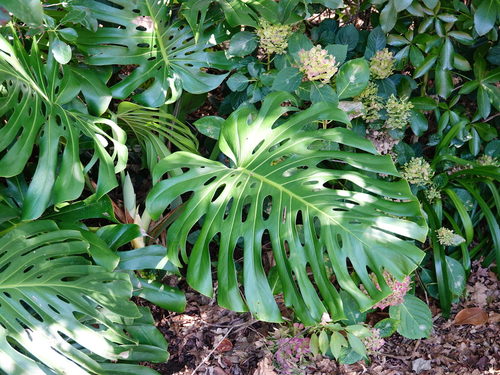
Monstera deliciosa is a popular tropical houseplant known for its large, fenestrated leaves and vining growth habit. It contains insoluble calcium oxalate crystals that can cause irritation if ingested by pets.
Potentially toxic for cats & dogs.
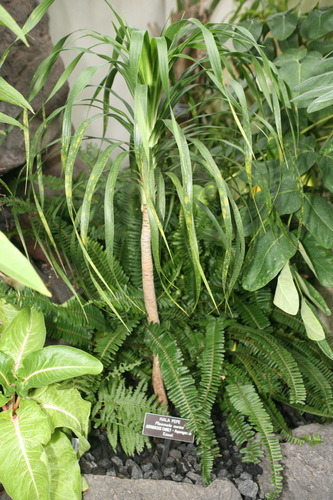
Dracaena trifasciata is a popular, hardy houseplant known for its stiff, sword-like leaves with striking yellow margins. It is widely appreciated for its air-purifying qualities and ability to thrive in various indoor conditions.
Potentially toxic for cats & dogs.
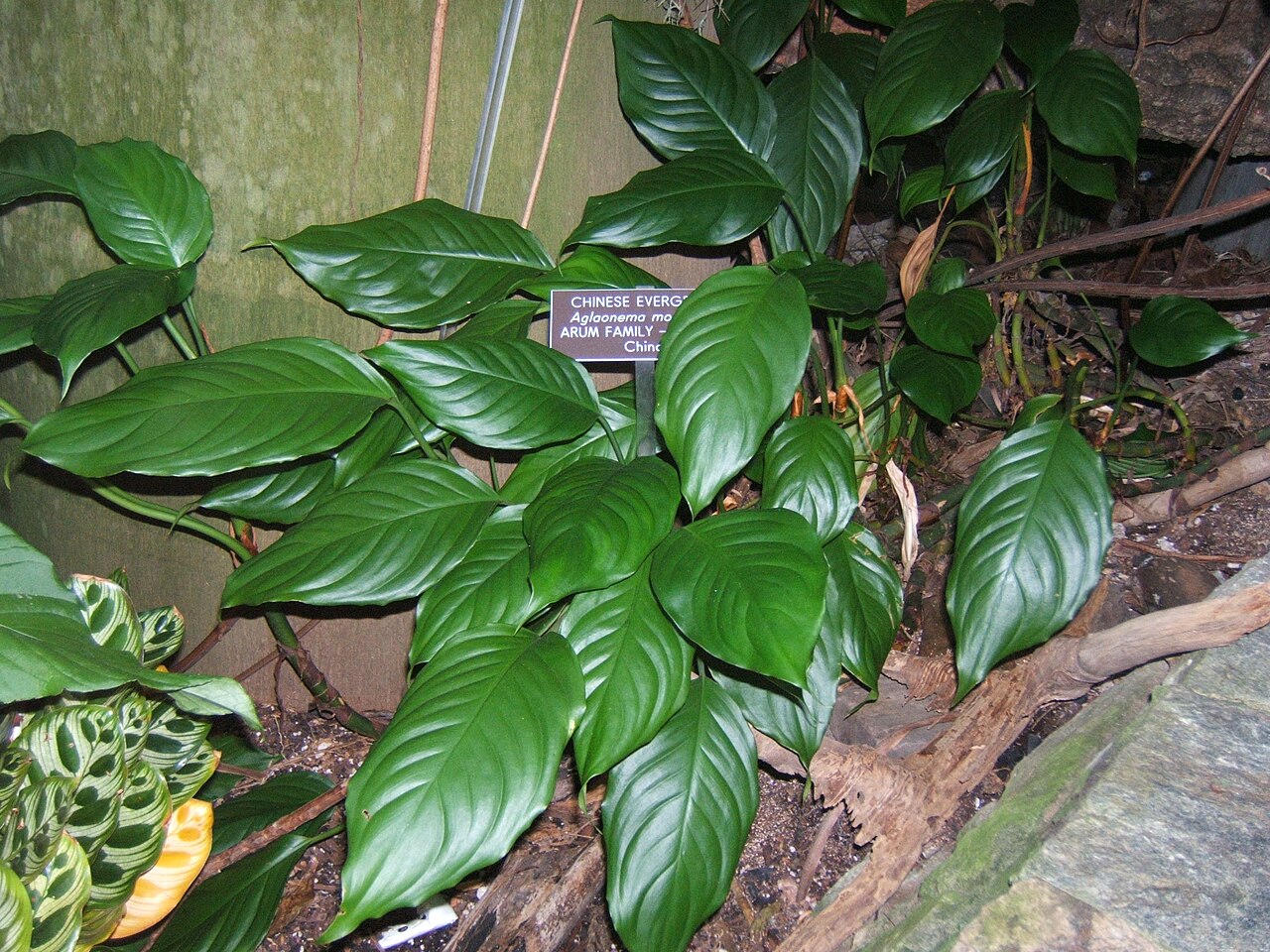
Chinese Evergreen is a popular indoor foliage plant known for its patterned leaves and tolerance of low light conditions. It contains insoluble calcium oxalate crystals that can cause irritation if ingested or chewed.
Potentially toxic for cats & dogs.