Dogs
Potentially toxicConsulted references classify the plant as toxic or irritating for that pet type.
Verified against ASPCA/provenance audit 2026-05-06 on May 6, 2026.
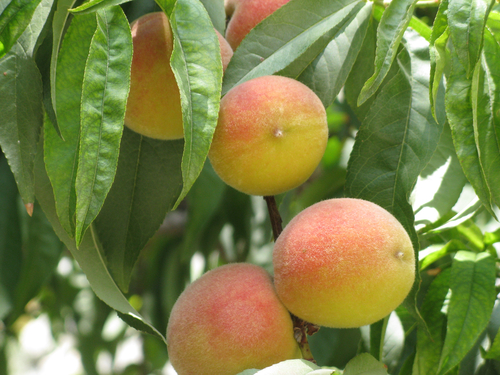
Prunus persica
The peach tree is a deciduous fruit-bearing plant known for its edible stone fruits. While the fruit flesh is generally consumed by humans, the leaves, stems, and seeds contain cyanogenic glycosides that pose a risk to pets if ingested.
Safety status
Dogs
Potentially toxicConsulted references classify the plant as toxic or irritating for that pet type.
Verified against ASPCA/provenance audit 2026-05-06 on May 6, 2026.
Dogs run a higher cyanide risk than cats from peach plants because their stronger bite can crack the pit and release the toxic kernel inside. Leaves, stems, and especially wilting plant material are also dangerous; the ripe fruit's flesh is not. Treat any chewed-open pit or leaf-eating episode as urgent.
Look for vomiting, diarrhea, and abdominal pain first; then the cyanide signature — panting, rapid or labored breathing, brick-red gums, dilated pupils, weakness, and shock. Whole, swallowed pits can also lodge in the gut and cause obstruction.
Cyanide signs can appear within minutes to about an hour of kernel ingestion; severe cases progress within hours. Uncomplicated GI signs usually resolve in 24-48 hours; pit obstruction signs (repeated vomiting, no stool) build over 24-72 hours.
Call immediately if your dog crushed or chewed open a pit, or ate leaves or wilted plant material. Any labored breathing, gum-color change, or collapse is a same-minute emergency. Whole-pit swallows still warrant a same-day call for obstruction risk.
Sources: ASPCA (no first-aid guidance).
If a pet has chewed or swallowed plant material and is showing symptoms, contact a veterinarian or poison resource immediately. This product is for structured reference, not diagnosis.
Dogs — concern notes
Common signs
Vomiting, diarrhea, abdominal pain, and potential signs of cyanide poisoning including rapid breathing or shock.
Escalation note
The seeds and foliage are the most dangerous parts. If ingestion occurs, contact your veterinarian or an animal poison control center immediately for guidance.
Safer alternatives
No hand-picked alternatives for this plant yet. You can still pick your own using the Compare button on any other plant.
Peach trees are potentially toxic to dogs. The fruit flesh is low-risk, but the leaves, stems, and seeds (pits) contain cyanogenic glycosides that can cause vomiting, diarrhea, abdominal pain, and signs of cyanide poisoning including rapid breathing or shock.
The seeds and foliage are the most dangerous parts. The pit kernel contains the highest concentration of cyanogenic glycosides; wilted leaves are also a significant risk. A whole swallowed pit carries an additional obstruction hazard even if the kernel isn't chewed open.
Cyanide signs can appear within minutes to about an hour after a dog chews open and ingests the pit kernel, with severe cases progressing within hours. GI symptoms like vomiting and diarrhea typically resolve within 24–48 hours, while pit obstruction signs — repeated vomiting and no stool — can build over 24–72 hours.
Call your veterinarian or the ASPCA Animal Poison Control Center at (888) 426-4435 immediately if your dog chewed open a pit or ate leaves or wilted plant material. Watch for panting, labored breathing, brick-red gums, dilated pupils, weakness, or collapse — these are same-minute emergencies. A whole swallowed pit warrants a same-day call for obstruction risk even without cyanide signs.
Same dog verdict
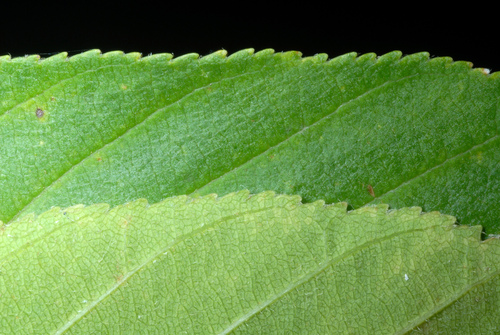
The Horse Chestnut is a deciduous tree known for its distinctive palmately compound leaves and spiky seed pods. All parts of the plant, particularly the seeds and leaves, contain saponins and glycosides that are harmful if ingested.
Potentially toxic for cats & dogs.
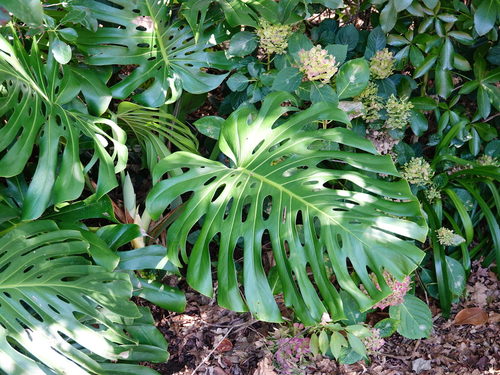
Monstera deliciosa is a popular tropical houseplant known for its large, fenestrated leaves and vining growth habit. It contains insoluble calcium oxalate crystals that can cause irritation if ingested by pets.
Potentially toxic for cats & dogs.
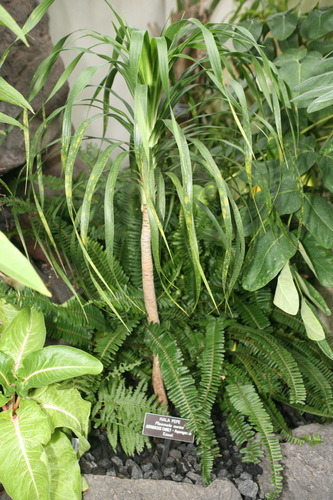
Dracaena trifasciata is a popular, hardy houseplant known for its stiff, sword-like leaves with striking yellow margins. It is widely appreciated for its air-purifying qualities and ability to thrive in various indoor conditions.
Potentially toxic for cats & dogs.