Cats
Potentially toxicConsulted references classify the plant as toxic or irritating for that pet type.
Verified against ASPCA/provenance audit 2026-05-06 on May 6, 2026.
Sources
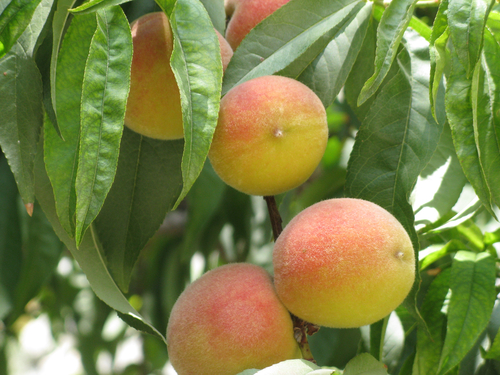
Prunus persica
The peach tree is a deciduous fruit-bearing plant known for its edible stone fruits. While the fruit flesh is generally consumed by humans, the leaves, stems, and seeds contain cyanogenic glycosides that pose a risk to pets if ingested.
Safety status
Cats
Potentially toxicConsulted references classify the plant as toxic or irritating for that pet type.
Verified against ASPCA/provenance audit 2026-05-06 on May 6, 2026.
Sources
Cats face a real cyanide risk only if they chew open a peach pit, eat leaves, or graze on wilting peach foliage — the flesh of the fruit isn't the concern. The kernel inside the pit, plus stems and leaves, contain cyanogenic glycosides. Cats rarely break into a hard pit, so most household exposures are limited to leaf-nibbling — but any chewed-open pit is urgent.
Watch for difficulty breathing, panting, brick-red gums, dilated pupils, drooling, and shock signs (weakness, collapse). Vomiting and diarrhea may come first. Wilted plant material is especially dangerous.
Cyanide signs can appear within minutes to about an hour of kernel ingestion and progress within hours without treatment. Mild GI signs from leaf nibbling typically resolve in 24-48 hours with supportive care.
Call immediately — don't wait for symptoms — if your cat has chewed a peach pit or eaten leaves or wilted material. Any labored breathing, gum-color change, weakness, or collapse is a same-minute emergency; head to the nearest open ER clinic.
Sources: ASPCA, NC State Extension (no first-aid guidance).
If a pet has chewed or swallowed plant material and is showing symptoms, contact a veterinarian or poison resource immediately. This product is for structured reference, not diagnosis.
Cats — concern notes
Common signs
Vomiting, diarrhea, lethargy, and potential signs of cyanide poisoning such as difficulty breathing or dilated pupils.
Escalation note
Ingestion of plant parts containing cyanogenic glycosides can be serious. Contact your veterinarian immediately if you suspect your cat has chewed on or ingested any part of the plant.
Safer alternatives
No hand-picked alternatives for this plant yet. You can still pick your own using the Compare button on any other plant.
ASPCA Toxic Plant List
toxicology · 99% reliability
The peach tree contains cyanogenic glycosides which are toxic to cats and dogs.
NC State Extension Plant Toolbox
botanical · 94% reliability
Prunus persica is a deciduous tree in the Rosaceae family, widely cultivated for its edible fruit.
Yes, peach trees (Prunus persica) are potentially toxic to cats. The leaves, stems, and seeds (pits) contain cyanogenic glycosides, which can cause serious harm. The fruit flesh itself is not the primary concern, but any other part of the plant poses a risk.
Symptoms include vomiting, diarrhea, and lethargy from GI irritation, but the more serious concern is cyanide poisoning — watch for difficulty breathing, panting, brick-red gums, dilated pupils, drooling, weakness, or collapse. Wilted peach leaves are especially dangerous, and cyanide signs can appear within minutes to an hour of ingesting pit material.
Call your vet or the ASPCA Animal Poison Control Center at (888) 426-4435 immediately — do not wait for symptoms to appear. If your cat shows labored breathing, gum-color changes, weakness, or collapse, go to the nearest emergency vet clinic right away. Mild GI signs from nibbling a leaf may resolve in 24–48 hours with supportive care, but pit ingestion is a same-minute emergency.
The pit (kernel inside the stone) is the most dangerous part because it contains the highest concentration of cyanogenic glycosides. Leaves and stems also contain these compounds, and wilted plant material — such as fallen or cut leaves — is especially hazardous because wilting concentrates the toxic compounds. The ripe fruit flesh is not the primary risk, but the pit, leaves, and stems should all be kept away from cats.
Same cat verdict
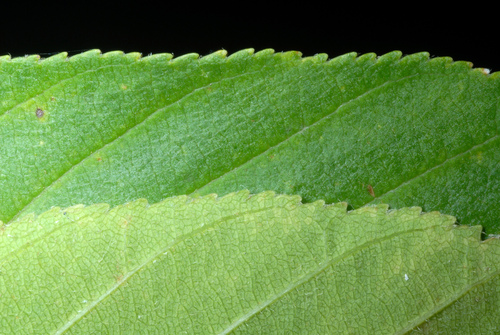
The Horse Chestnut is a deciduous tree known for its distinctive palmately compound leaves and spiky seed pods. All parts of the plant, particularly the seeds and leaves, contain saponins and glycosides that are harmful if ingested.
Potentially toxic for cats & dogs.

Monstera deliciosa is a popular tropical houseplant known for its large, fenestrated leaves and vining growth habit. It contains insoluble calcium oxalate crystals that can cause irritation if ingested by pets.
Potentially toxic for cats & dogs.

Dracaena trifasciata is a popular, hardy houseplant known for its stiff, sword-like leaves with striking yellow margins. It is widely appreciated for its air-purifying qualities and ability to thrive in various indoor conditions.
Potentially toxic for cats & dogs.