Cats
Potentially toxicConsulted references classify the plant as toxic or irritating for that pet type.
Verified against ASPCA/provenance audit 2026-05-06 on May 6, 2026.
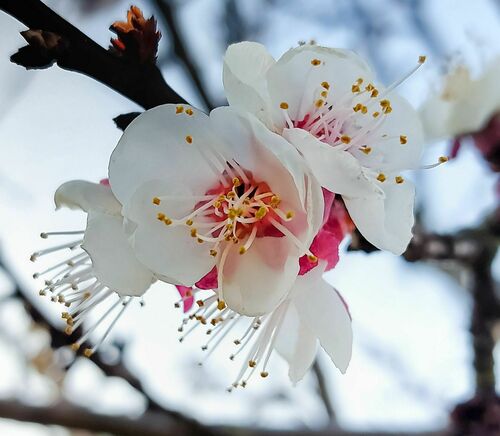
Prunus armeniaca
The apricot tree is a fruit-bearing species in the rose family. While the fruit flesh is generally considered safe, the stems, leaves, and seeds contain cyanogenic glycosides that can be harmful if ingested.
Safety status
Cats
Potentially toxicConsulted references classify the plant as toxic or irritating for that pet type.
Verified against ASPCA/provenance audit 2026-05-06 on May 6, 2026.
Apricot is on the ASPCA's toxic-to-cats list for the same reason as cherry, peach, and plum: the stems, leaves, and pits hold cyanogenic glycosides that release cyanide when chewed. Cats rarely chew through pits, so the more realistic feline exposure is nibbled wilting leaves or chewed bark — small amounts may cause only mild GI upset, but treat any pit ingestion as urgent.
ASPCA-listed signs are brick-red mucous membranes, dilated pupils, difficulty breathing, panting, and shock. Drooling and vomiting may show up first. Cats that just licked or nibbled foliage may show only mild oral irritation; full cyanide signs imply meaningful ingestion of pit, kernel, or wilting plant parts.
ASPCA does not publish cat-specific onset times for apricot. Cyanide is fast-acting once released from the glycoside, so symptomatic cases tend to develop within minutes to a couple of hours; specific feline timing is not well documented.
Call your vet or ASPCA Animal Poison Control (888-426-4435) immediately for any breathing change, red or bluish gums, weakness, or known pit/kernel ingestion. Even without symptoms, call right away if your cat chewed wilting apricot leaves or bark.
Per ASPCA: contact your vet or ASPCA Animal Poison Control (888-426-4435). Do not induce vomiting unless directed. Remove any remaining apricot plant material so re-ingestion isn't possible.
Sources: ASPCA.
If a pet has chewed or swallowed plant material and is showing symptoms, contact a veterinarian or poison resource immediately. This product is for structured reference, not diagnosis.
Cats — concern notes
Common signs
Vomiting, diarrhea, difficulty breathing, dilated pupils, and in severe cases, shock or collapse.
Escalation note
Ingestion of plant parts containing cyanogenic glycosides can lead to cyanide poisoning. Please contact your veterinarian immediately if you suspect your cat has ingested any part of this plant.
Safer alternatives
No hand-picked alternatives for this plant yet. You can still pick your own using the Compare button on any other plant.
Yes, apricots are potentially toxic to cats. The fruit flesh poses lower risk, but the stems, leaves, and seeds contain cyanogenic glycosides that can cause cyanide poisoning if ingested.
ASPCA-listed signs include brick-red mucous membranes, dilated pupils, difficulty breathing, panting, drooling, vomiting, and in severe cases shock or collapse. Cats that only licked foliage may show mild oral irritation, while full cyanide signs indicate meaningful ingestion of the pit, kernel, or wilting plant parts.
Contact your vet or ASPCA Animal Poison Control (888-426-4435) immediately. Do not induce vomiting unless directed by a professional, and remove any remaining apricot plant material to prevent re-ingestion.
ASPCA does not publish cat-specific onset times, but cyanide is fast-acting once released from the glycoside — symptomatic cases tend to develop within minutes to a couple of hours. Do not wait for symptoms to appear; call your vet right away if you know your cat chewed a pit, kernel, or wilting apricot leaves.
Same cat verdict
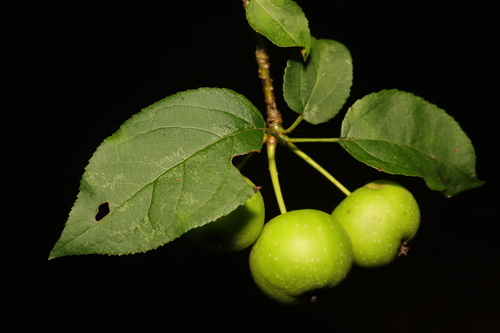
The apple tree is a deciduous fruit-bearing plant known for its edible fruit, though the seeds and foliage contain cyanogenic glycosides that can be harmful if ingested in large quantities. While the fruit flesh is generally safe, the plant parts containing amygdalin pose a risk to pets.
Potentially toxic for cats & dogs.
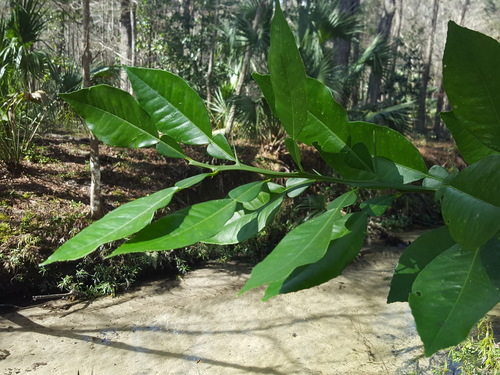
Citrus aurantium is a citrus tree known for its fragrant flowers and bitter fruit, often used in essential oil production. It contains compounds that can cause adverse reactions if ingested by pets.
Potentially toxic for cats & dogs.
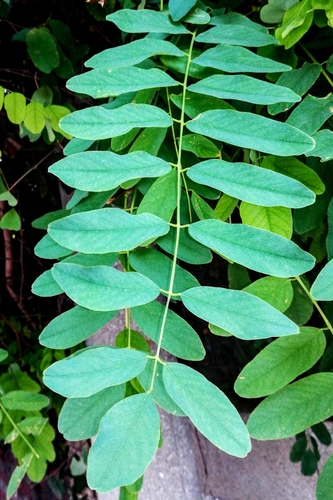
Robinia species, commonly known as locust trees, contain toxic proteins and alkaloids throughout the bark, leaves, and seeds. Ingestion can lead to significant gastrointestinal and neurological distress in pets.
Potentially toxic for cats & dogs.