Cats
Potentially toxicConsulted references classify the plant as toxic or irritating for that pet type.
Verified against ASPCA/provenance audit 2026-05-06 on May 6, 2026.
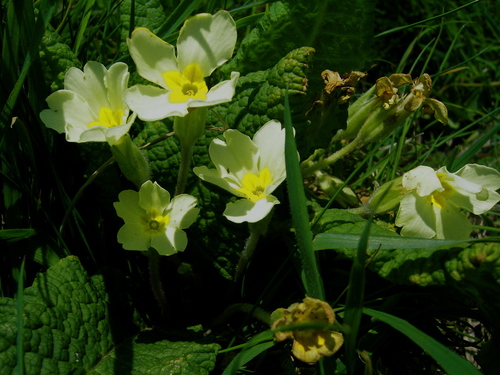
Primula vulgaris
Primula vulgaris is a low-growing perennial herb known for its early spring blooms. While popular in gardens, it contains compounds that can cause irritation if ingested or touched by pets.
Safety status
Cats
Potentially toxicConsulted references classify the plant as toxic or irritating for that pet type.
Verified against ASPCA/provenance audit 2026-05-06 on May 6, 2026.
For cats, primrose is a relatively mild toxic plant. NC State Extension flags it as a problem for cats and notes it can cause contact dermatitis, while ASPCA lists mild vomiting as the chief sign. Most cats that nibble a leaf or rub against the foliage have only minor irritation.
Most common: a bout of mild vomiting after chewing leaves or flowers. Possible: redness, itchiness, or rash on the muzzle, chin, or paws after rubbing against the plant (contact dermatitis is specifically called out by NC State). Less common: drooling and reduced appetite. Severe signs are not expected at typical household exposures.
Neither NC State nor ASPCA gives exact timing. In practice, mild vomiting tends to appear within a few hours of ingestion and resolves within 24 hours; contact dermatitis usually settles within a couple of days once exposure stops.
Call your vet if vomiting recurs over more than a few episodes, your cat is lethargic or refuses food and water, or skin irritation spreads or doesn’t improve within a day. ASPCA Animal Poison Control: (888) 426-4435.
Sources: NC State Extension, ASPCA (no first-aid guidance).
If a pet has chewed or swallowed plant material and is showing symptoms, contact a veterinarian or poison resource immediately. This product is for structured reference, not diagnosis.
Cats — concern notes
Common signs
Vomiting, diarrhea, and mild gastrointestinal upset.
Escalation note
Ingestion typically results in mild to moderate symptoms. Please contact your veterinarian if your cat shows signs of distress.
Safer alternatives
No hand-picked alternatives for this plant yet. You can still pick your own using the Compare button on any other plant.
NC State Extension Plant Toolbox
botanical · 94% reliability
Primula vulgaris is a herbaceous perennial that is widely cultivated for its ornamental flowers.
Yes, primrose (Primula vulgaris) is potentially toxic to cats. Ingestion can cause vomiting, diarrhea, and mild gastrointestinal upset, while skin contact with the plant can cause contact dermatitis — redness, itchiness, or rash on the muzzle, chin, or paws.
The most common sign is a bout of mild vomiting within a few hours of chewing the leaves or flowers, which typically resolves within 24 hours. You may also see drooling or reduced appetite. Severe symptoms are not expected at typical household exposures.
Remove your cat from the plant and monitor for vomiting, drooling, or lethargy. Mild GI upset usually resolves on its own, but call your vet if vomiting recurs over more than a few episodes, your cat is lethargic or refuses food and water, or skin irritation doesn't improve within a day. You can also reach the ASPCA Animal Poison Control Center at (888) 426-4435.
Yes — NC State specifically identifies contact dermatitis as a risk. If your cat rubs against primrose leaves or flowers, they can develop redness, itchiness, or a rash on the muzzle, chin, or paws. This usually settles within a couple of days once exposure stops.
Same cat verdict
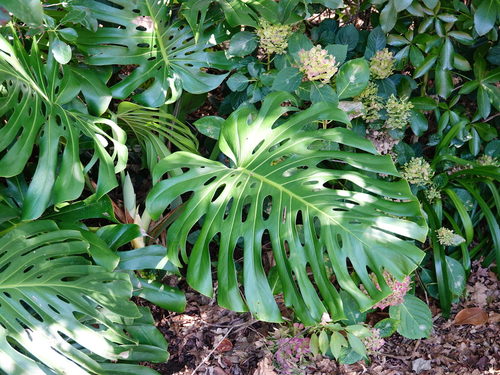
Monstera deliciosa is a popular tropical houseplant known for its large, fenestrated leaves and vining growth habit. It contains insoluble calcium oxalate crystals that can cause irritation if ingested by pets.
Potentially toxic for cats & dogs.
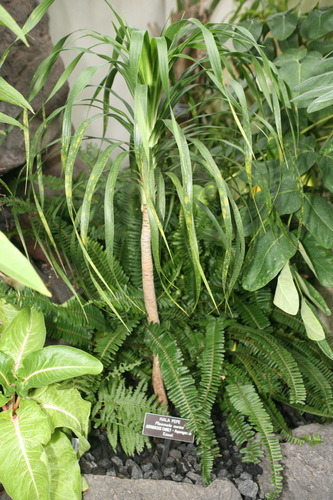
Dracaena trifasciata is a popular, hardy houseplant known for its stiff, sword-like leaves with striking yellow margins. It is widely appreciated for its air-purifying qualities and ability to thrive in various indoor conditions.
Potentially toxic for cats & dogs.
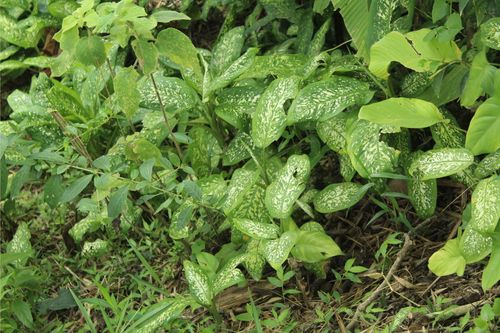
Dieffenbachia is a popular tropical houseplant known for its large, variegated leaves. It contains insoluble calcium oxalate crystals that can cause irritation if ingested or chewed.
Potentially toxic for cats & dogs.
The Jade Plant is a popular succulent known for its thick, woody stems and fleshy, oval-shaped leaves. While aesthetically pleasing, it contains compounds that can cause gastrointestinal distress if ingested by pets.
Potentially toxic for cats & dogs.