Dogs
Potentially toxicConsulted references classify the plant as toxic or irritating for that pet type.
Verified against ASPCA/provenance audit 2026-05-06 on May 6, 2026.
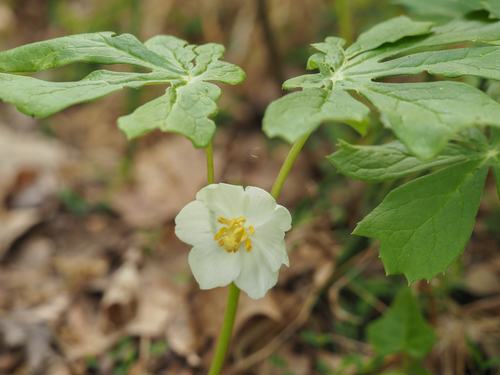
Podophyllum peltatum
American Mandrake is a perennial woodland plant known for its umbrella-like leaves and single white flower. It contains podophyllotoxin, which is highly irritating and potentially dangerous if ingested by pets.
Safety status
Dogs
Potentially toxicConsulted references classify the plant as toxic or irritating for that pet type.
Verified against ASPCA/provenance audit 2026-05-06 on May 6, 2026.
Mayapple is toxic to dogs. Dogs are more likely than cats to eat enough to make themselves sick — the unripe green fruit and the rhizome are particularly potent, and curious dogs in wooded yards are the typical patients. Expect significant GI upset and treat ingestions as a vet call, not a wait-and-see.
Vomiting, diarrhea, drooling, and abdominal discomfort usually come first. Lethargy and panting are common. Skin contact with the sap can produce redness or ulcers around the muzzle. Rare severe cases progress to extreme weakness or coma — get to a vet long before then.
Specific onset timing isn't well documented, but GI signs generally appear within hours of ingestion. Most dogs recover fully within 1 to 24 hours of supportive care; large ingestions may need longer.
Call your vet or Pet Poison Helpline (1-800-213-6680) for any ingestion. Bring your dog in immediately if vomiting persists more than an hour or two, if you see bloody stool, breathing changes, or unusual lethargy.
Remove any remaining plant material from your dog's mouth, save a leaf or piece of fruit for ID, and rinse the muzzle if sap is visible. Call your vet before giving anything by mouth. Do not induce vomiting unless directed.
Sources: ASPCA, Pet Poison Helpline.
If a pet has chewed or swallowed plant material and is showing symptoms, contact a veterinarian or poison resource immediately. This product is for structured reference, not diagnosis.
Dogs — concern notes
Common signs
Vomiting, diarrhea, excessive salivation, and signs of abdominal discomfort.
Escalation note
The plant contains compounds that can cause systemic irritation. Seek veterinary care promptly if your dog has consumed any part of this plant.
Safer alternatives
No hand-picked alternatives for this plant yet. You can still pick your own using the Compare button on any other plant.
Yes, Mayapple (Podophyllum peltatum) is toxic to dogs. It contains podophyllotoxin, a compound that causes systemic irritation, and any ingestion warrants a call to your vet.
Signs include vomiting, diarrhea, excessive drooling, and abdominal discomfort. Skin contact with the sap can cause redness or ulcers around the muzzle. In rare severe cases, extreme weakness or coma can occur — get to a vet well before that point.
Remove any remaining plant material from your dog's mouth, save a leaf or piece of fruit for identification, and rinse the muzzle if sap is visible. Call your vet or the ASPCA Animal Poison Control Center at (888) 426-4435 immediately. Do not induce vomiting unless a vet directs you to.
GI signs typically appear within hours of ingestion. Most dogs recover fully within 1 to 24 hours with supportive care, though large ingestions may require longer treatment. Bring your dog in immediately if vomiting persists more than an hour or two, or if you see bloody stool, breathing changes, or unusual lethargy.
Same dog verdict
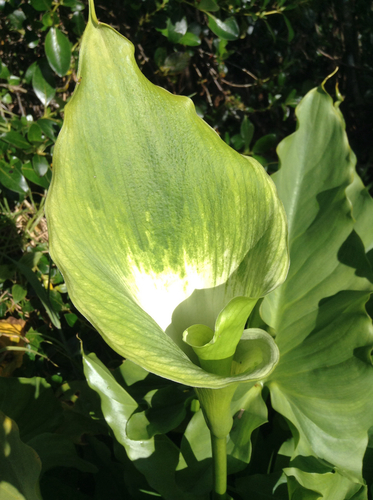
The Arum Lily is a popular ornamental plant known for its striking white spathes, but it contains insoluble calcium oxalate crystals that can cause irritation upon ingestion. It is considered toxic to both cats and dogs.
Potentially toxic for cats & dogs.
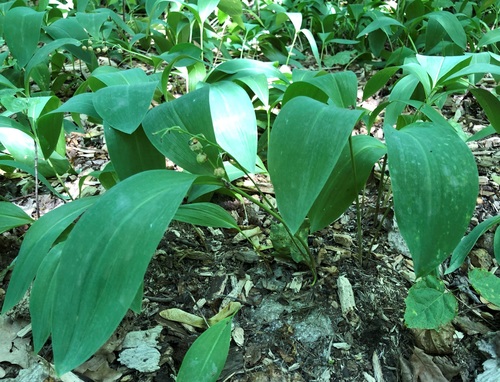
Lily of the Valley is a popular spring-flowering perennial known for its fragrant, bell-shaped white flowers. It contains cardiac glycosides that are highly toxic to pets if ingested.
Potentially toxic for cats & dogs.
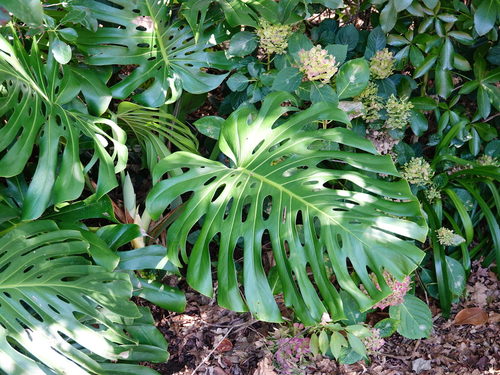
Monstera deliciosa is a popular tropical houseplant known for its large, fenestrated leaves and vining growth habit. It contains insoluble calcium oxalate crystals that can cause irritation if ingested by pets.
Potentially toxic for cats & dogs.
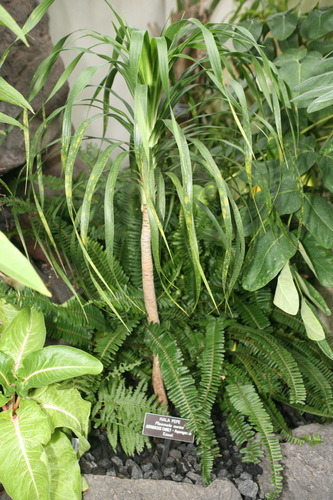
Dracaena trifasciata is a popular, hardy houseplant known for its stiff, sword-like leaves with striking yellow margins. It is widely appreciated for its air-purifying qualities and ability to thrive in various indoor conditions.
Potentially toxic for cats & dogs.