Dogs
Generally safeConsulted references do not classify the plant as toxic for that pet type, while still allowing for mild GI upset if large amounts are chewed.
Verified against ASPCA/provenance audit 2026-05-06 on May 6, 2026.
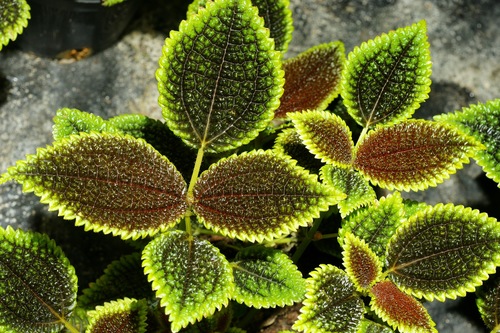
Pilea cadierei
The Aluminum Plant is a popular indoor foliage plant known for its striking silver-patterned leaves and compact growth habit. It is considered safe for households with pets, though large ingestions of plant material may occasionally cause minor digestive discomfort.
Safety status
Dogs
Generally safeConsulted references do not classify the plant as toxic for that pet type, while still allowing for mild GI upset if large amounts are chewed.
Verified against ASPCA/provenance audit 2026-05-06 on May 6, 2026.
ASPCA lists the aluminum plant (Pilea cadierei) as non-toxic to dogs, with no toxic principle on file. Dogs that knock the pot over and chew the leaves aren't being poisoned; a brief stomach upset from raw foliage is the worst typical outcome and usually doesn't need a vet visit on its own.
Sources: ASPCA.
If a pet has chewed or swallowed plant material and is showing symptoms, contact a veterinarian or poison resource immediately. This product is for structured reference, not diagnosis.
Dogs — concern notes
Common signs
None typically expected; however, consumption of large amounts of fibrous plant matter may lead to mild vomiting or diarrhea.
Escalation note
This plant is non-toxic. If your dog consumes a significant amount and shows persistent gastrointestinal distress, contact your veterinarian.
Bring it home
Aluminum Plantis generally pet-safe in ordinary household exposure. If you’d like one for your space, here’s a starting point.
Shop on AmazonSome links earn us a small commission. They never affect our safety classifications.
NC State Extension Plant Toolbox
botanical · 94% reliability
Pilea cadierei is a perennial herb in the Urticaceae family, native to Vietnam, commonly grown as a houseplant.
No, the aluminum plant (Pilea cadierei) is non-toxic to dogs. It is considered generally safe for households with dogs, according to an ASPCA provenance audit verified in May 2026.
Symptoms are not typically expected. If your dog consumes a large amount of the fibrous plant material, it may experience mild vomiting or diarrhea, but serious illness is not anticipated.
Small nibbles are unlikely to cause any reaction. Only large ingestions of plant material are associated with possible mild gastrointestinal upset such as vomiting or diarrhea; the plant itself is non-toxic.
A single small ingestion does not require an emergency call, but if your dog eats a significant amount and shows persistent vomiting or diarrhea, contact your veterinarian. You can also reach the ASPCA Animal Poison Control Center at (888) 426-4435 if you want professional guidance.
Same dog verdict
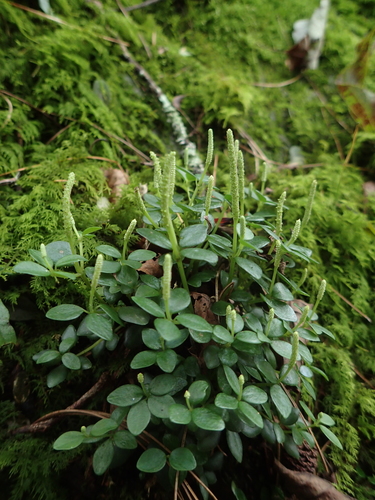
The American Rubber Plant is a popular, low-maintenance houseplant known for its thick, succulent-like leaves. It is considered non-toxic to pets, though ingestion of large amounts of plant material may cause minor digestive discomfort.
Generally safe for cats & dogs.
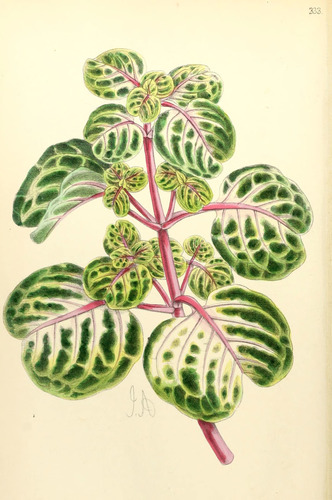
Bloodleaf is a vibrant ornamental plant known for its striking deep red or purple foliage. While it is considered non-toxic, ingestion of large amounts of plant material may cause mild digestive discomfort.
Generally safe for cats & dogs.
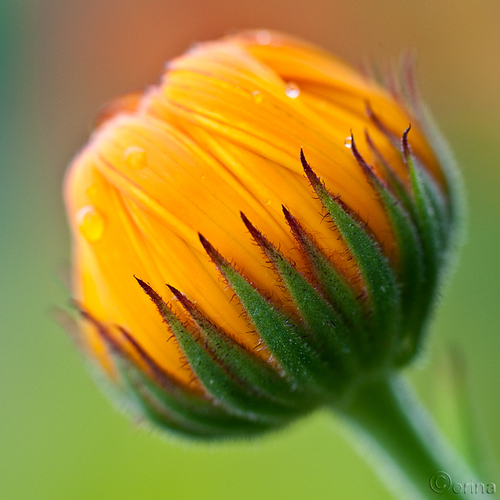
Pot Marigold is a popular flowering annual known for its bright, daisy-like blooms and culinary uses. It is considered safe for pets, though large ingestions of plant material may cause minor digestive discomfort.
Generally safe for cats & dogs.
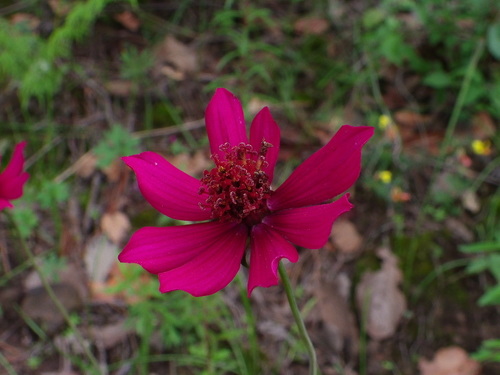
Garden cosmos is a daisy-like annual usually treated as a pet-safe flowering option, though any large plant ingestion can still cause mild stomach upset.
Generally safe for cats & dogs.