Cats
Potentially toxicConsulted references classify the plant as toxic or irritating for that pet type.
Verified against ASPCA/provenance audit 2026-05-06 on May 6, 2026.
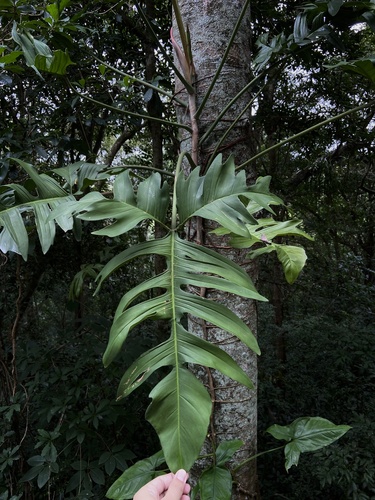
Philodendron spp.
Philodendrons are popular tropical foliage plants known for their lush, heart-shaped or split leaves. They contain insoluble calcium oxalate crystals that can cause irritation if ingested.
Safety status
Cats
Potentially toxicConsulted references classify the plant as toxic or irritating for that pet type.
Verified against ASPCA/provenance audit 2026-05-06 on May 6, 2026.
Cats that chew philodendron get near-instant mouth pain — the leaves are loaded with insoluble calcium-oxalate crystals that act like microscopic glass shards. The taste and burning usually stop a cat fast, and most cats recover fully within 24 hours.
Pawing at the mouth, head-shaking, heavy drooling, foaming, vomiting, and difficulty swallowing. Watch the lips and tongue for visible swelling. Rarely, swelling extends to the upper airway and makes breathing difficult.
Onset is within minutes of chewing. Per Pet Poison Helpline, clinical signs usually disappear within 24 hours with no lasting effects.
Call your vet or a poison hotline right away if drooling lasts more than an hour, your cat refuses to eat, the mouth or tongue is visibly swollen, or there is any change in breathing.
Remove any plant fragments from your cat's mouth. Rinse the mouth gently with cool water; a small amount of milk or yogurt helps bind oxalate crystals and ease the burning. Then call ASPCA Animal Poison Control (888-426-4435) or the Pet Poison Helpline (855-764-7661). Do not induce vomiting unless instructed by a vet.
Sources: ASPCA, Pet Poison Helpline.
If a pet has chewed or swallowed plant material and is showing symptoms, contact a veterinarian or poison resource immediately. This product is for structured reference, not diagnosis.
Cats — concern notes
Common signs
Oral irritation, intense burning and irritation of mouth, tongue and lips, excessive drooling, vomiting, and difficulty swallowing.
Escalation note
Symptoms are typically localized to the mouth and gastrointestinal tract. If your cat shows signs of distress or difficulty breathing, contact your veterinarian immediately.
Safer alternatives
No hand-picked alternatives for this plant yet. You can still pick your own using the Compare button on any other plant.
Yes, philodendrons are toxic to cats. They contain insoluble calcium oxalate crystals that cause oral irritation, intense burning of the mouth, tongue, and lips, excessive drooling, vomiting, and difficulty swallowing.
Expect pawing at the mouth, head-shaking, heavy drooling or foaming, and vomiting starting within minutes of chewing. The lips and tongue may visibly swell; rarely, swelling extends to the upper airway and causes breathing difficulty. Symptoms typically resolve within 24 hours.
Remove any plant fragments from your cat's mouth and rinse gently with cool water. A small amount of milk or yogurt can help bind the oxalate crystals and ease the burning. Then call ASPCA Animal Poison Control (888) 426-4435 or Pet Poison Helpline (855) 764-7661. Do not induce vomiting unless a vet instructs you to.
All parts of the philodendron contain insoluble calcium oxalate crystals, so any contact with the leaves, stems, or sap can trigger irritation. The crystals are released when the plant tissue is chewed, which is why symptoms are concentrated in the mouth and throat rather than causing systemic toxicity.
Same cat verdict
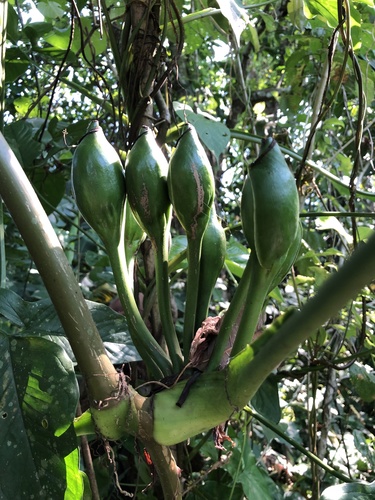
Syngonium podophyllum is a popular tropical vining plant known for its arrow-shaped leaves that change form as the plant matures. It contains insoluble calcium oxalate crystals which can cause irritation if ingested by pets.
Potentially toxic for cats & dogs.
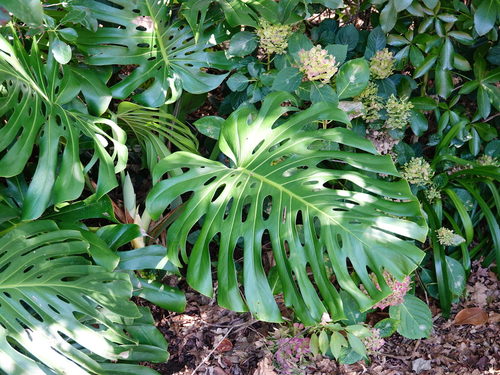
Monstera deliciosa is a popular tropical houseplant known for its large, fenestrated leaves and vining growth habit. It contains insoluble calcium oxalate crystals that can cause irritation if ingested by pets.
Potentially toxic for cats & dogs.
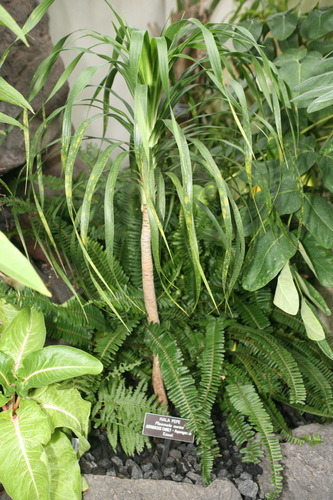
Dracaena trifasciata is a popular, hardy houseplant known for its stiff, sword-like leaves with striking yellow margins. It is widely appreciated for its air-purifying qualities and ability to thrive in various indoor conditions.
Potentially toxic for cats & dogs.
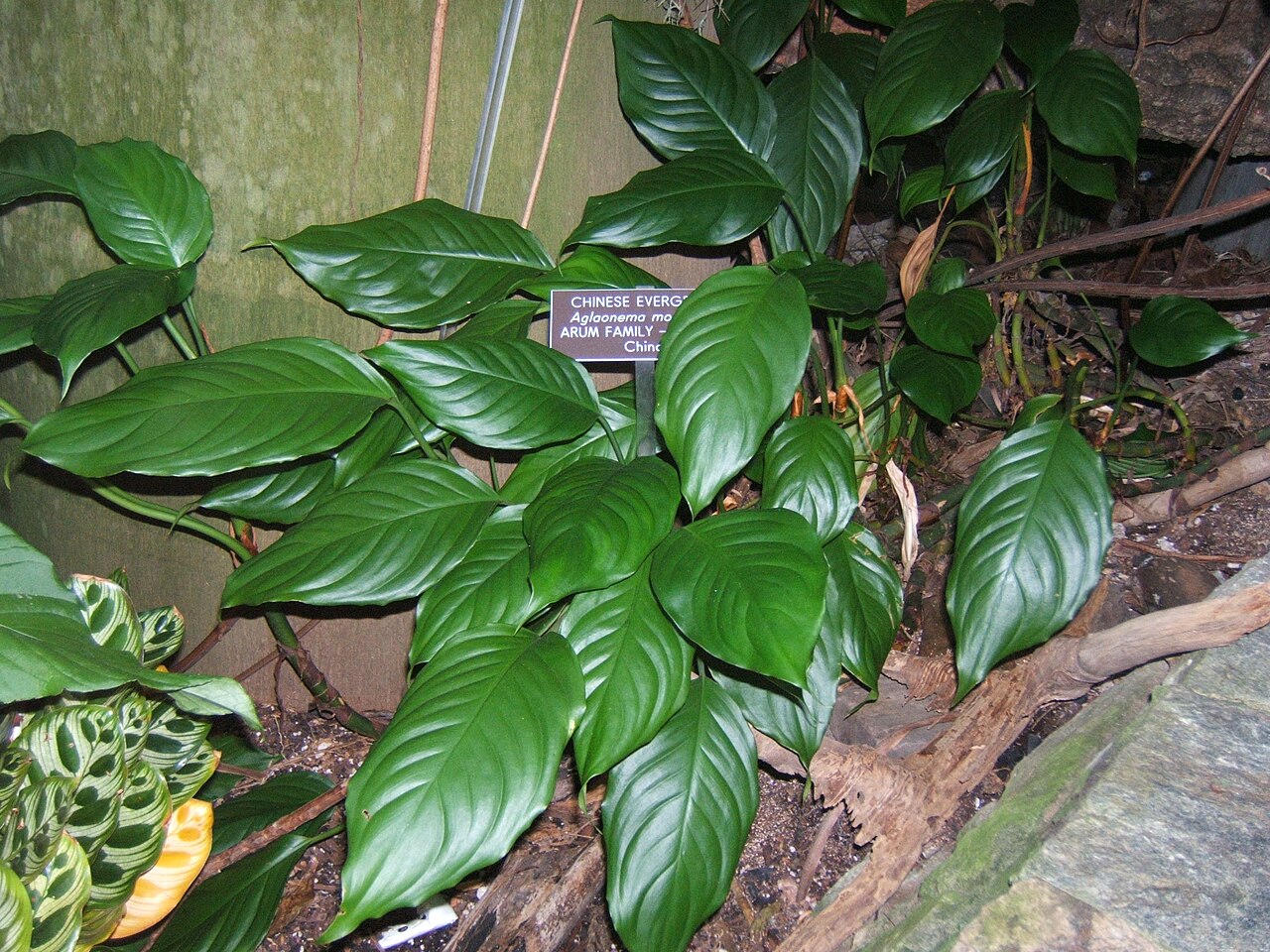
Chinese Evergreen is a popular indoor foliage plant known for its patterned leaves and tolerance of low light conditions. It contains insoluble calcium oxalate crystals that can cause irritation if ingested or chewed.
Potentially toxic for cats & dogs.