ASPCA Toxic Plant List
toxicology · 99% reliability
Non-toxic to dogs and cats.
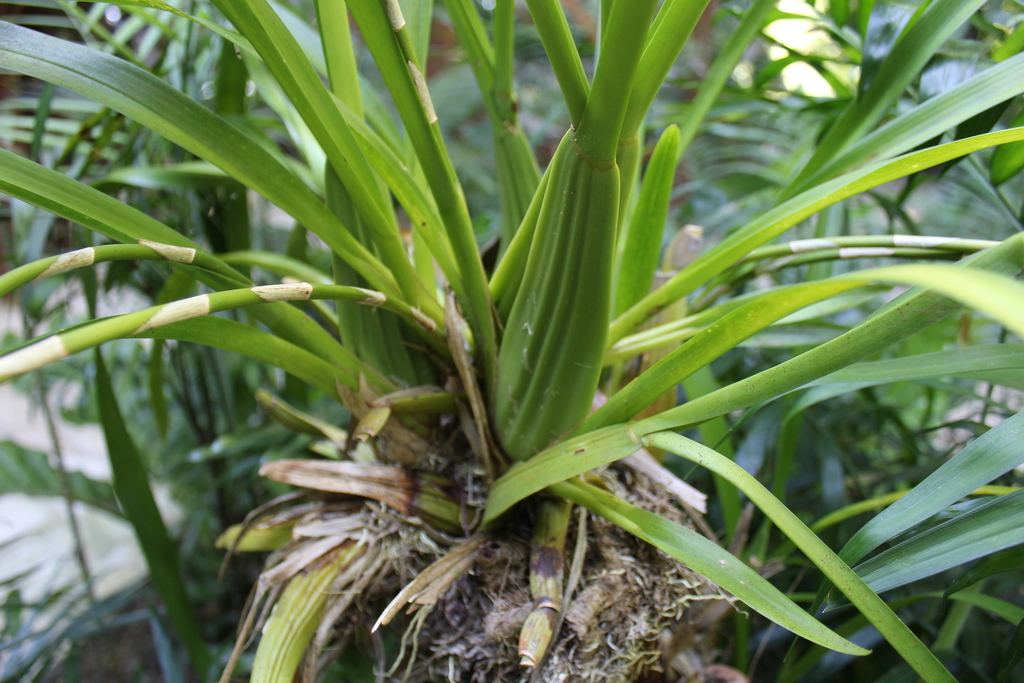
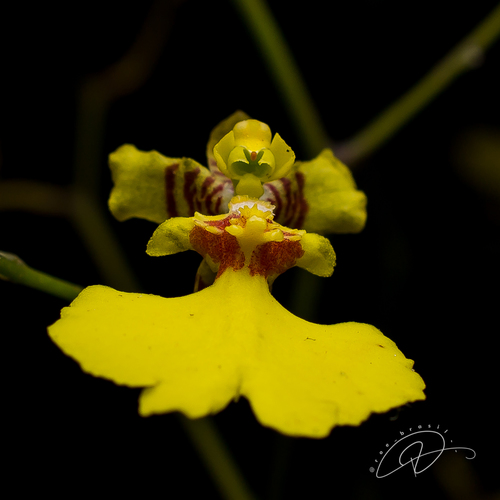
Oncidium sphacelatum
The Golden Shower Orchid is a popular, sun-loving orchid known for its cascading sprays of yellow, brown-spotted flowers. It is considered non-toxic to pets, though its fibrous nature may cause minor digestive discomfort if consumed in large quantities.
Safety status
If a pet has chewed or swallowed plant material and is showing symptoms, contact a veterinarian or poison resource immediately. This product is for structured reference, not diagnosis.
Safer alternatives
No hand-picked alternatives for this plant yet. You can still pick your own using the Compare button on any other plant.
ASPCA Toxic Plant List
toxicology · 99% reliability
Non-toxic to dogs and cats.
Kew Plants of the World Online
botanical · 95% reliability
Accepted scientific name and distribution data for Oncidium sphacelatum.
No, the Golden Shower Orchid (Oncidium sphacelatum) is considered non-toxic to cats. It is classified as generally safe, meaning it is not expected to cause poisoning even if your cat chews on or eats part of the plant.
No symptoms are expected from a small nibble. If your cat consumes a large amount of the plant's fibrous material, it may experience mild vomiting or gastrointestinal upset due to the bulk of plant matter, not any toxic compound.
A small amount is unlikely to need veterinary attention. If your cat ate a significant portion of the plant and is showing signs of distress — persistent vomiting, lethargy, or refusal to eat — contact your veterinarian.
Non-toxic means the Golden Shower Orchid won't poison your cat, but that doesn't make it safe to eat in quantity. Large ingestions of any fibrous plant material can cause GI upset, and it's best to keep the plant out of reach to avoid your cat developing a chewing habit.
No, the Golden Shower Orchid (Oncidium sphacelatum) is considered non-toxic to dogs. It is classified as generally safe, meaning exposure is not expected to cause poisoning.
Symptoms are not expected from small amounts. If your dog eats a large quantity of the fibrous plant material, mild vomiting or gastrointestinal upset is possible due to the physical bulk rather than any toxic compound.
A nibble is unlikely to cause any problem. If your dog ate a significant portion of the plant and is showing signs of distress such as repeated vomiting or lethargy, contact your veterinarian.
No — these are unrelated plants. The Golden Shower Orchid (Oncidium sphacelatum) is a safe, non-toxic orchid; the name 'Golden Shower tree' refers to Cassia fistula, a different plant entirely. If you are unsure which plant your dog ingested, describe it to your vet or call the ASPCA Animal Poison Control Center at (888) 426-4435.
Same growing conditions
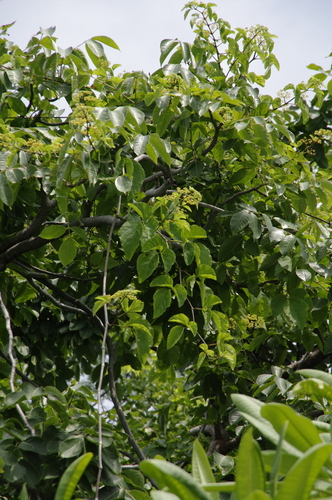
Grape Ivy is a popular, trailing indoor vine known for its attractive, three-parted leaves that resemble grape foliage. It is considered non-toxic to pets, though ingestion of large amounts of plant material may cause minor digestive discomfort.
Not yet rated for cats.
Not yet rated for dogs.
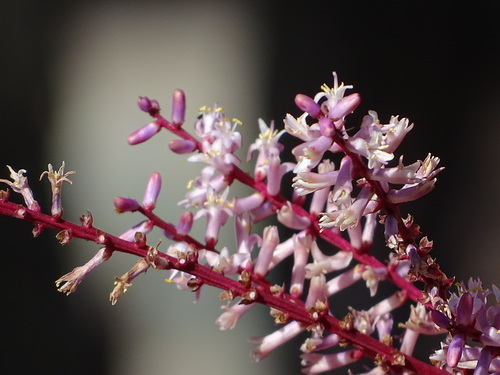
The Baby Doll Ti Plant is a popular tropical ornamental known for its vibrant, colorful foliage. It contains saponins which can cause gastrointestinal distress if ingested by pets.
Potentially toxic for cats & dogs.
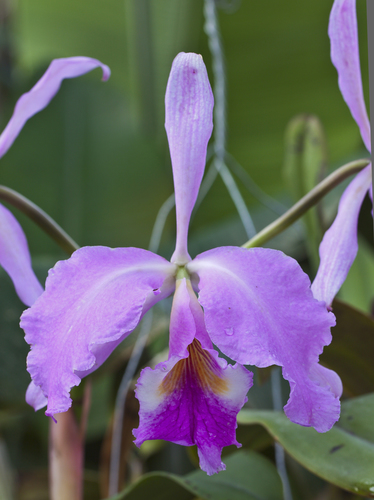
The Cattleya orchid is a popular, showy flowering plant known for its large, fragrant blooms and epiphytic growth habit. It is considered non-toxic to pets, though its fibrous nature may cause mild digestive discomfort if consumed in large quantities.
Generally safe for cats & dogs.

The Christmas Orchid is a popular epiphytic orchid known for its large, showy, and fragrant winter blooms. It is considered non-toxic to household pets, though its fibrous nature may cause minor digestive discomfort if consumed in large quantities.
Generally safe for cats & dogs.