Cats
UncertainIdentity or evidence quality is not strong enough for a firm answer.
Verified against ASPCA/provenance audit 2026-05-06 on May 6, 2026.
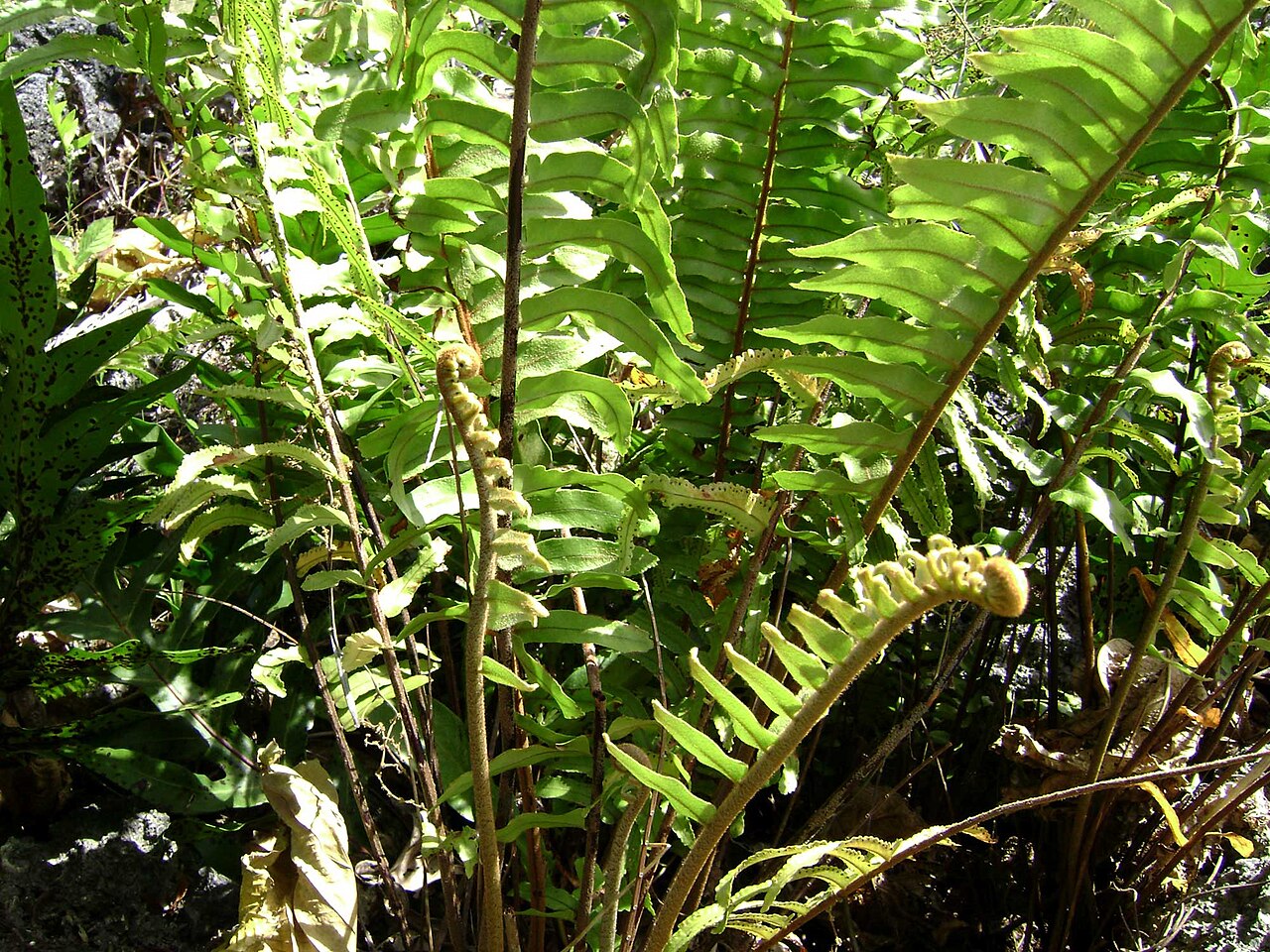
Nephrolepis biserrata
The Bold Sword Fern is a popular, large-growing tropical fern known for its long, arching fronds and lush appearance. It is generally considered a safe choice for households with pets, though ingestion of any plant material can occasionally cause minor digestive discomfort.
Safety status
Cats
UncertainIdentity or evidence quality is not strong enough for a firm answer.
Verified against ASPCA/provenance audit 2026-05-06 on May 6, 2026.
If a pet has chewed or swallowed plant material and is showing symptoms, contact a veterinarian or poison resource immediately. This product is for structured reference, not diagnosis.
Cats — concern notes
Common signs
None typically reported, though ingestion of large amounts of fibrous plant material may cause mild vomiting or diarrhea.
Escalation note
While not listed as toxic, if your cat consumes a significant amount of the plant and shows signs of distress, contact your veterinarian.
Safer alternatives
No hand-picked alternatives for this plant yet. You can still pick your own using the Compare button on any other plant.
NC State Extension Plant Toolbox
botanical · 94% reliability
Botanical profile of Nephrolepis biserrata confirming its identity and growth requirements.
Giant Sword Fern (Nephrolepis biserrata) is not listed as toxic to cats, but its safety classification remains uncertain — it does not appear on the ASPCA's list of toxic plants, though it has not been definitively cleared either. Treat it as a plant to keep out of reach rather than one that's safe to chew on freely.
Ingesting large amounts of the fibrous frond material may cause mild vomiting or diarrhea, likely due to the bulk and texture of the plant matter rather than any known toxic compound. Small nibbles are unlikely to cause serious harm, but significant consumption warrants a call to your vet.
Remove your cat's access to the plant and monitor for vomiting, diarrhea, or lethargy. If symptoms appear or your cat consumed a large amount, contact your veterinarian or the ASPCA Animal Poison Control Center at (888) 426-4435 for guidance.
No specific toxic dose has been documented for this plant. The concern is not a toxic threshold but rather the volume of fibrous material — large ingestions are more likely to cause GI upset. Specific toxicity data for Nephrolepis biserrata in cats is not well established, so err on the side of caution if your cat has eaten more than a small amount.
No, Giant Sword Fern (Nephrolepis biserrata) is non-toxic to dogs according to ASPCA classification. It is considered a generally safe houseplant for homes with dogs.
No symptoms are typically reported, but ingesting large amounts of fibrous frond material may cause mild vomiting or diarrhea. This is a mechanical GI response to plant fiber, not a toxic reaction.
A small nibble is unlikely to need veterinary attention since the plant is non-toxic. If your dog ate a large amount and experiences persistent vomiting or diarrhea that doesn't resolve within a few hours, contact your veterinarian.
Toxicity does not differ based on frond size — Giant Sword Fern is non-toxic regardless of how much of the plant your dog contacts. The only concern with larger plants is that a dog may eat more fibrous material at once, increasing the chance of temporary GI upset like vomiting or loose stools.
Often compared with
Same genus