Compare

Giant Sword Fern vs. Boston Fern: which is safe for cats and dogs?

Giant Sword Fern and Boston Fern are frequently compared because both belong to the Nephrolepis genus, sharing a similar lush, arching appearance that makes them popular choices for indoor greenery. If you are deciding between these two for your home, you can breathe a sigh of relief as both are considered non-toxic to cats and dogs. While neither plant poses a serious threat, they are both fibrous, and consuming large amounts of any plant material can occasionally lead to minor digestive upset in curious pets. Understanding the subtle differences in their care and growth habits will help you choose the best fit for your specific living space.

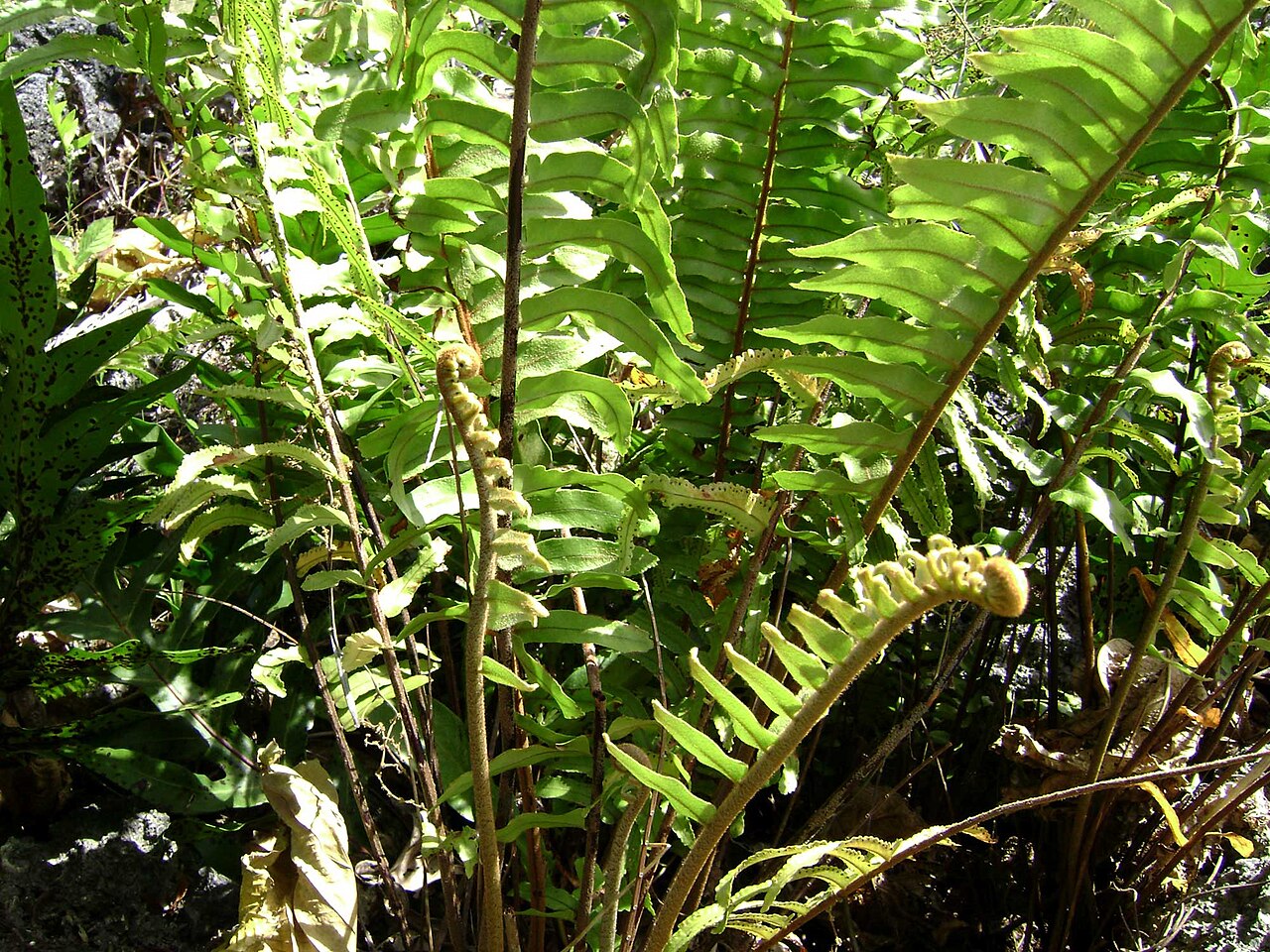
Giant Sword Fern

Nephrolepis biserrata

The Bold Sword Fern is a popular, large-growing tropical fern known for its long, arching fronds and lush appearance. It is generally considered a safe choice for households with pets, though ingestion of any plant material can occasionally cause minor digestive discomfort.

cat

Uncertain

Identity or evidence quality is not strong enough for a firm answer.

Watch for

None typically reported, though ingestion of large amounts of fibrous plant material may cause mild vomiting or diarrhea.

dog

Generally safe

Consulted references do not classify the plant as toxic for that pet type, while still allowing for mild GI upset if large amounts are chewed.

Watch for

None typically reported, though ingestion of large amounts of fibrous plant material may cause mild vomiting or diarrhea.

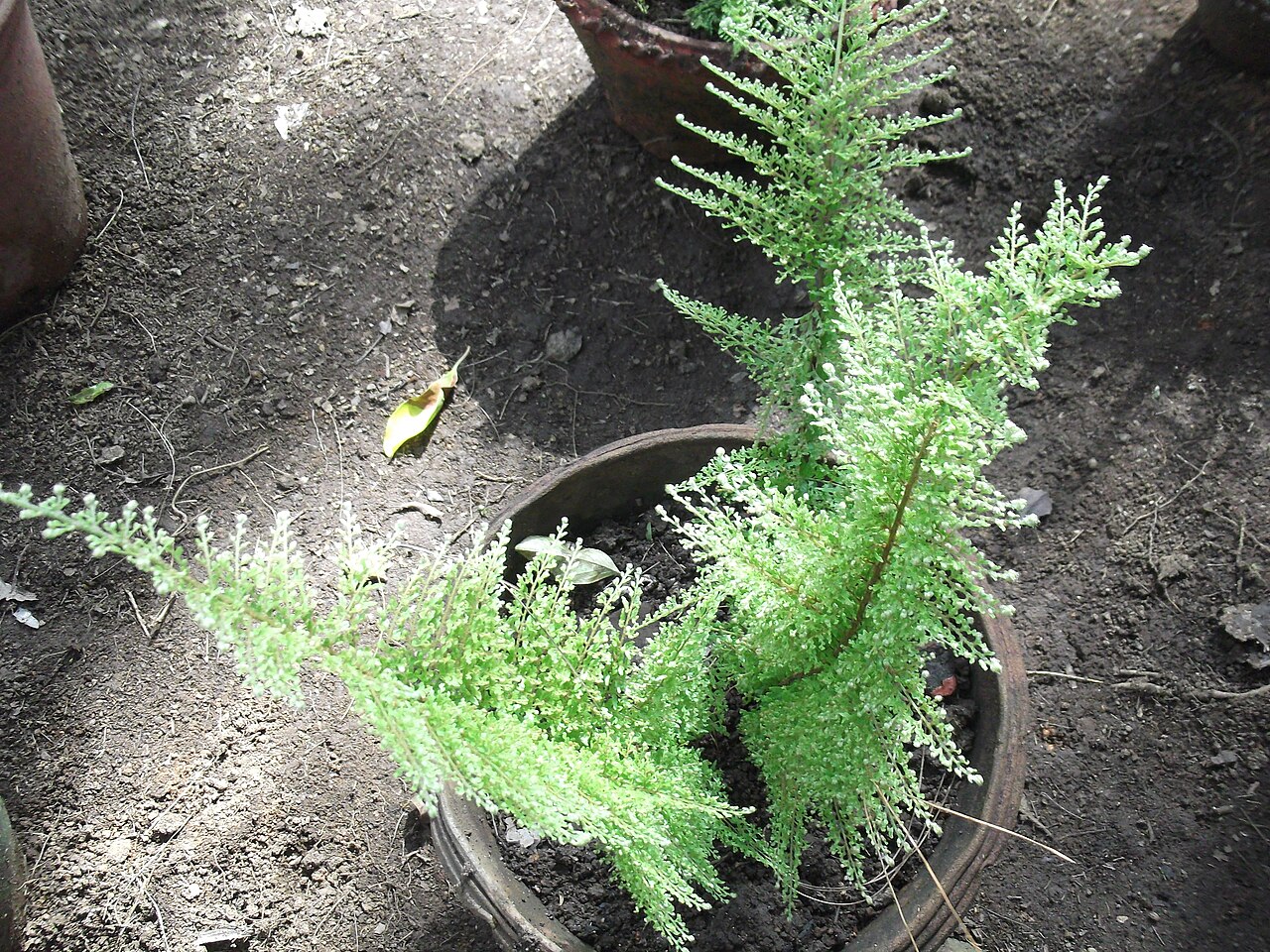
Boston Fern

Nephrolepis exaltata bostoniensis

The Boston Fern is a popular, lush houseplant known for its arching fronds and preference for high humidity. It is widely considered safe for pets, though ingestion of any plant material can occasionally cause minor digestive upset.

cat

Uncertain

Identity or evidence quality is not strong enough for a firm answer.

Watch for

None typically reported; however, ingestion of large amounts of fibrous plant matter may cause mild vomiting or diarrhea.

dog

Generally safe

Consulted references do not classify the plant as toxic for that pet type, while still allowing for mild GI upset if large amounts are chewed.

Watch for

None typically reported; minor gastrointestinal irritation may occur if large quantities are ingested.