Dogs
Potentially toxicConsulted references classify the plant as toxic or irritating for that pet type.
Verified against ASPCA/provenance audit 2026-05-06 on May 6, 2026.
Sources
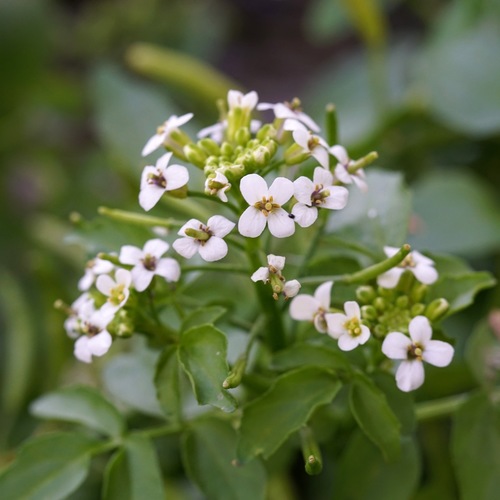
Nasturtium officinale
Nasturtium officinale is an aquatic or semi-aquatic perennial plant often grown for culinary use, but it can cause gastrointestinal distress if ingested by pets. It is distinct from the common garden Nasturtium (Tropaeolum majus).
Safety status
Dogs
Potentially toxicConsulted references classify the plant as toxic or irritating for that pet type.
Verified against ASPCA/provenance audit 2026-05-06 on May 6, 2026.
Sources
Dogs that nibble watercress usually get away with a queasy stomach rather than a true emergency. ASPCA lists the plant as toxic to dogs, but the toxic principles are gastrointestinal irritants and signs are typically mild — not the kind of cardiac or neurological reaction you see with truly dangerous plants.
Mild vomiting and diarrhea are the signs ASPCA documents. Watch also for reduced appetite or lethargy in the hours after ingestion. Symptoms usually stay confined to the digestive tract.
Onset and duration are not well documented for watercress specifically; gastrointestinal irritants generally produce signs within a few hours and resolve in 24–48 hours with supportive care.
Call your vet or ASPCA Animal Poison Control (888-426-4435) if vomiting or diarrhea is severe, bloody, lasts more than a few episodes, or if your dog seems weak or dehydrated. A small mouthful that produces a single bout of vomiting and otherwise normal behavior is rarely an emergency, but a phone consult is still the safest call.
Remove any remaining plant material from your dog's mouth and offer fresh water. Do not induce vomiting at home unless a veterinarian or poison-control specialist tells you to — Pet Poison Helpline notes that inducing vomiting without professional guidance can do more harm than good. Then call your vet or ASPCA Animal Poison Control (888-426-4435).
Sources: ASPCA, Pet Poison Helpline.
If a pet has chewed or swallowed plant material and is showing symptoms, contact a veterinarian or poison resource immediately. This product is for structured reference, not diagnosis.
Dogs — concern notes
Common signs
Vomiting, diarrhea, and abdominal discomfort.
Escalation note
Ingestion can lead to digestive irritation. Always consult a veterinarian if your dog exhibits signs of distress after eating this plant.
Safer alternatives
No hand-picked alternatives for this plant yet. You can still pick your own using the Compare button on any other plant.
ASPCA Toxic Plant List
toxicology · 99% reliability
Watercress is listed as toxic to both cats and dogs by the ASPCA.
Yes, watercress (Nasturtium officinale) is considered potentially toxic to dogs. Ingestion can cause gastrointestinal irritation, so it's best to keep it out of your dog's reach even though it's commonly eaten by humans.
The documented symptoms are vomiting, diarrhea, and abdominal discomfort. Signs generally appear within a few hours of ingestion and typically resolve within 24–48 hours with supportive care. Watch also for reduced appetite or lethargy in the hours after eating it.
Remove any remaining plant material from your dog's mouth and offer fresh water. Do not try to induce vomiting at home — doing so without professional guidance can cause more harm than good. Then call your vet or ASPCA Animal Poison Control at (888) 426-4435.
No — watercress (Nasturtium officinale) is an aquatic plant eaten as a salad green, while garden nasturtium (Tropaeolum majus) is a flowering plant; they share a common name but are unrelated species. Both can cause digestive upset in dogs, so treat ingestion of either with the same caution.
Same dog verdict
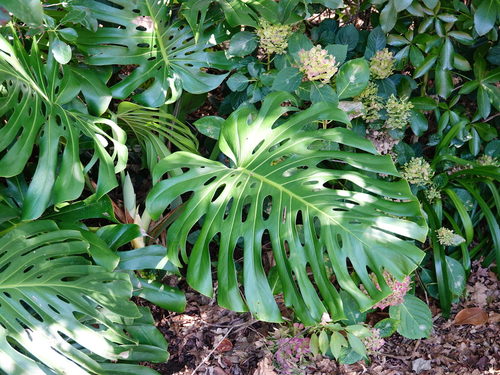
Monstera deliciosa is a popular tropical houseplant known for its large, fenestrated leaves and vining growth habit. It contains insoluble calcium oxalate crystals that can cause irritation if ingested by pets.
Potentially toxic for cats & dogs.
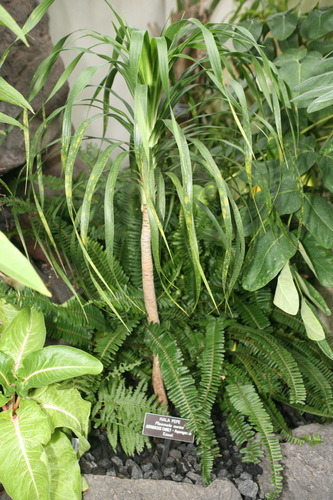
Dracaena trifasciata is a popular, hardy houseplant known for its stiff, sword-like leaves with striking yellow margins. It is widely appreciated for its air-purifying qualities and ability to thrive in various indoor conditions.
Potentially toxic for cats & dogs.
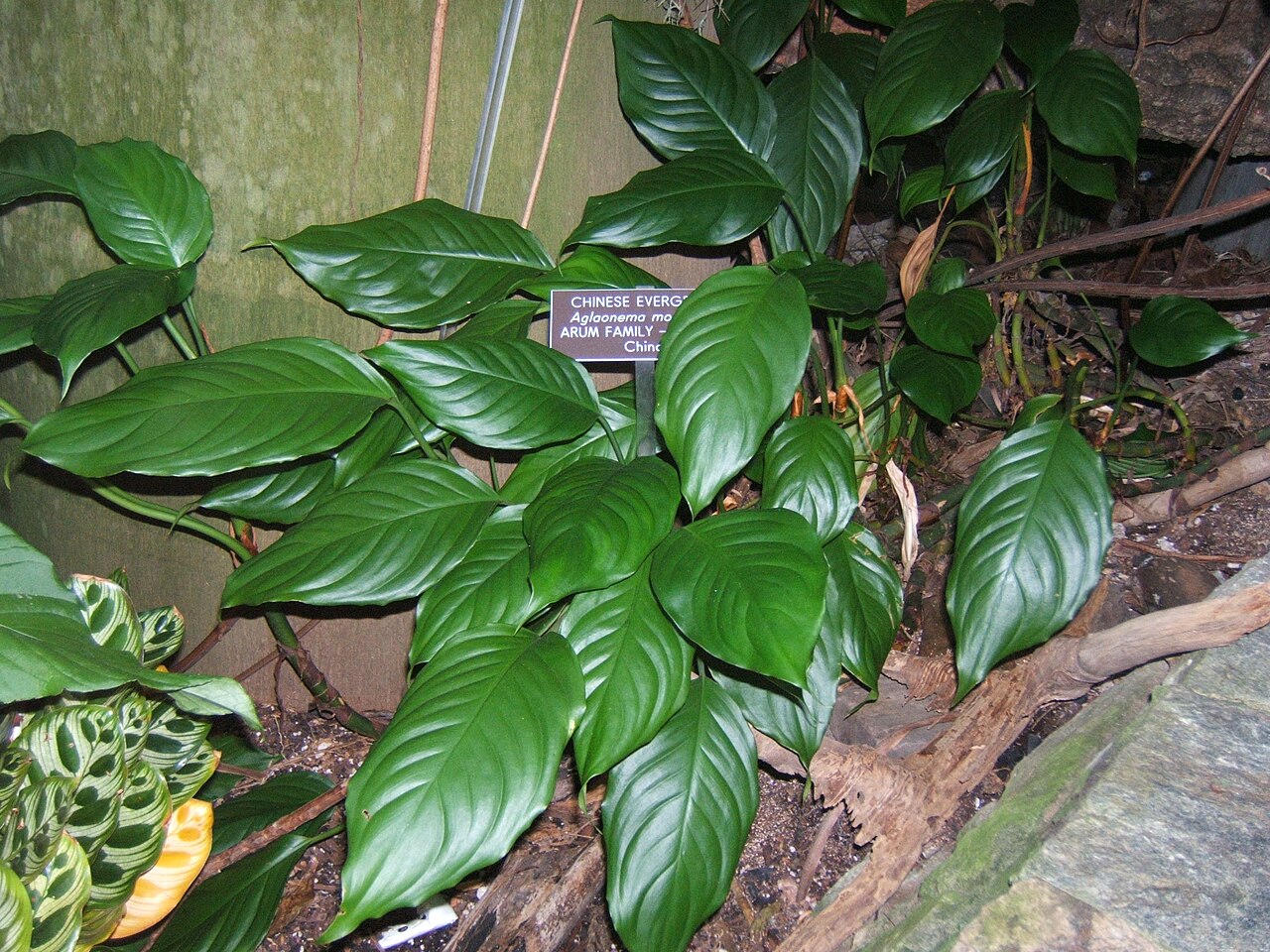
Chinese Evergreen is a popular indoor foliage plant known for its patterned leaves and tolerance of low light conditions. It contains insoluble calcium oxalate crystals that can cause irritation if ingested or chewed.
Potentially toxic for cats & dogs.
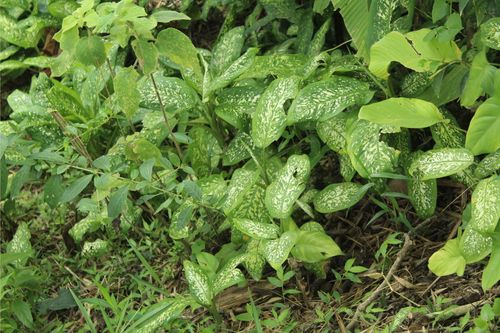
Dieffenbachia is a popular tropical houseplant known for its large, variegated leaves. It contains insoluble calcium oxalate crystals that can cause irritation if ingested or chewed.
Potentially toxic for cats & dogs.