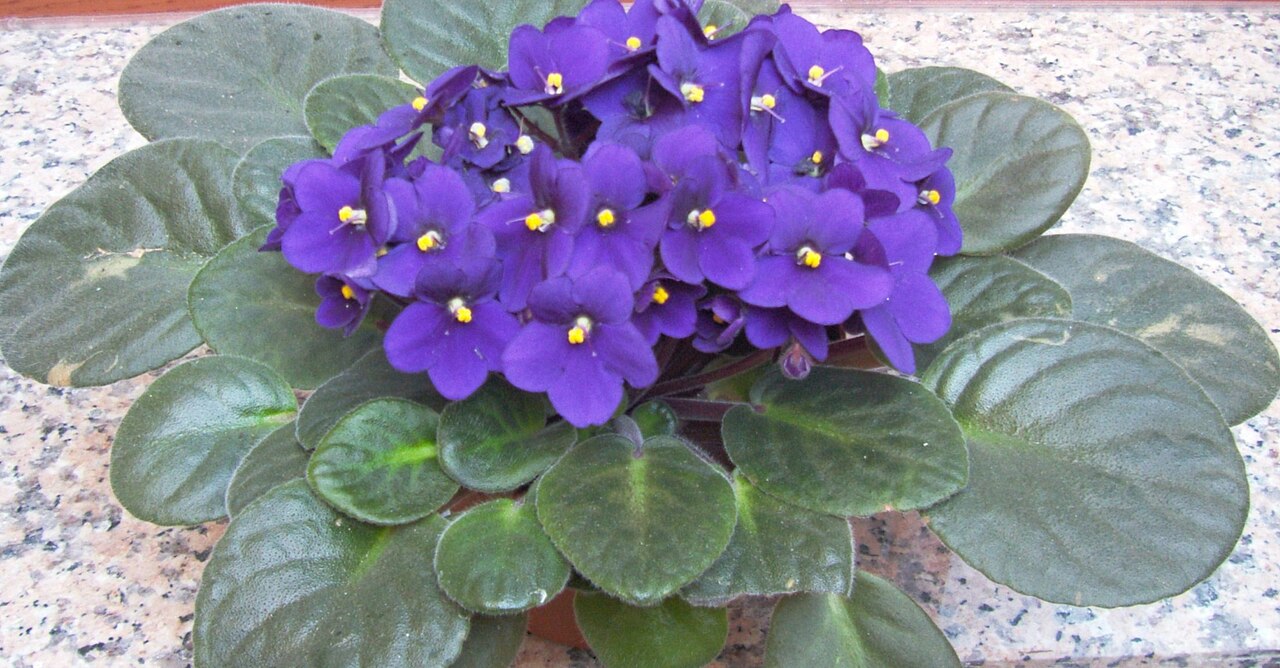
Dogs
Potentially toxicConsulted references classify the plant as toxic or irritating for that pet type.
Verified against ASPCA/provenance audit 2026-05-06 on May 6, 2026.
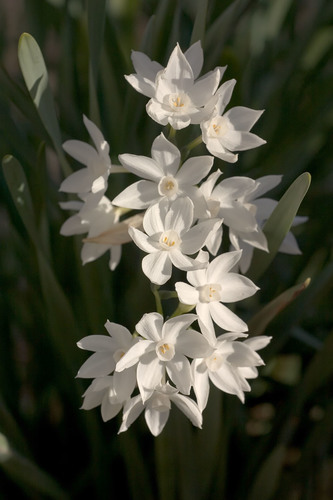
Narcissus spp
Daffodils are popular spring-flowering bulbs that contain toxic alkaloids, particularly concentrated in the bulb, which can cause significant gastrointestinal distress if ingested. All parts of the plant are considered harmful to pets.
Safety status
Dogs
Potentially toxicConsulted references classify the plant as toxic or irritating for that pet type.
Verified against ASPCA/provenance audit 2026-05-06 on May 6, 2026.
Dogs — toxic. ASPCA classifies daffodils (Narcissus species) as toxic to dogs; lycorine and related alkaloids are present in every part of the plant, with the bulb the most dangerous. Dogs that dig up or chew bulbs in spring gardens are the most common emergency calls.
Heavy drooling, vomiting, and diarrhea early; abdominal pain and lethargy; with bulb ingestion or large amounts, tremors, low blood pressure, irregular heartbeat, and convulsions.
Symptoms typically appear within 2 hours of ingestion. Mild GI cases usually resolve in 24–48 hours with fluids and antiemetics; bulb ingestions can require multi-day hospitalization for cardiovascular and neurologic monitoring.
Call your vet or ASPCA Animal Poison Control (888-426-4435) immediately if your dog ate any part of a bulb, vomiting won't stop, or you see neurologic signs — tremors, staggering, collapse, or seizure. For mild GI signs after leaf or flower ingestion, call the same day for guidance.
Take the dog away from the plant, gently rinse the mouth, and bring a sample or photo of what was eaten — especially important if a bulb was involved. Do not induce vomiting at home. Call your vet, ASPCA Animal Poison Control (888-426-4435), or Pet Poison Helpline (855-764-7661).
Sources: ASPCA, Pet Poison Helpline.
If a pet has chewed or swallowed plant material and is showing symptoms, contact a veterinarian or poison resource immediately. This product is for structured reference, not diagnosis.
Dogs — concern notes
Common signs
Vomiting, abdominal pain, diarrhea, lethargy, and potential respiratory distress or convulsions if large quantities are ingested.
Escalation note
The bulb contains the highest concentration of toxins. Seek veterinary care promptly if you suspect your dog has ingested any portion of the plant.
Safer alternatives
Some links earn us a small commission. They never affect our safety classifications.
NC State Extension Plant Toolbox
botanical · 94% reliability
Narcissus species are bulbous perennials known for their spring blooms; all parts are toxic if ingested.
Yes, daffodils are toxic to dogs. All parts of the plant contain harmful alkaloids, and ingestion can cause vomiting, abdominal pain, diarrhea, and lethargy — with respiratory distress or convulsions possible if large quantities are eaten.
The bulb contains the highest concentration of toxins and poses the greatest risk. While leaves and flowers can still cause gastrointestinal distress, bulb ingestion can lead to more serious effects including tremors, low blood pressure, irregular heartbeat, and convulsions, and may require multi-day hospitalization.
Watch for heavy drooling, vomiting, and diarrhea in the first 2 hours. As toxicity progresses, look for abdominal pain and lethargy. With bulb ingestion or large amounts eaten, more serious signs include tremors, staggering, irregular heartbeat, and seizures. Mild GI cases typically resolve in 24–48 hours; bulb ingestions can be more prolonged.
Remove your dog from the plant, gently rinse their mouth, and collect a sample or photo of what was eaten — especially if a bulb was involved. Do not induce vomiting at home. Call your vet or ASPCA Animal Poison Control (888-426-4435) immediately if a bulb was eaten, vomiting won't stop, or you see any neurologic signs like tremors or collapse; for mild GI signs after leaf or flower ingestion, call the same day for guidance.
Same dog verdict
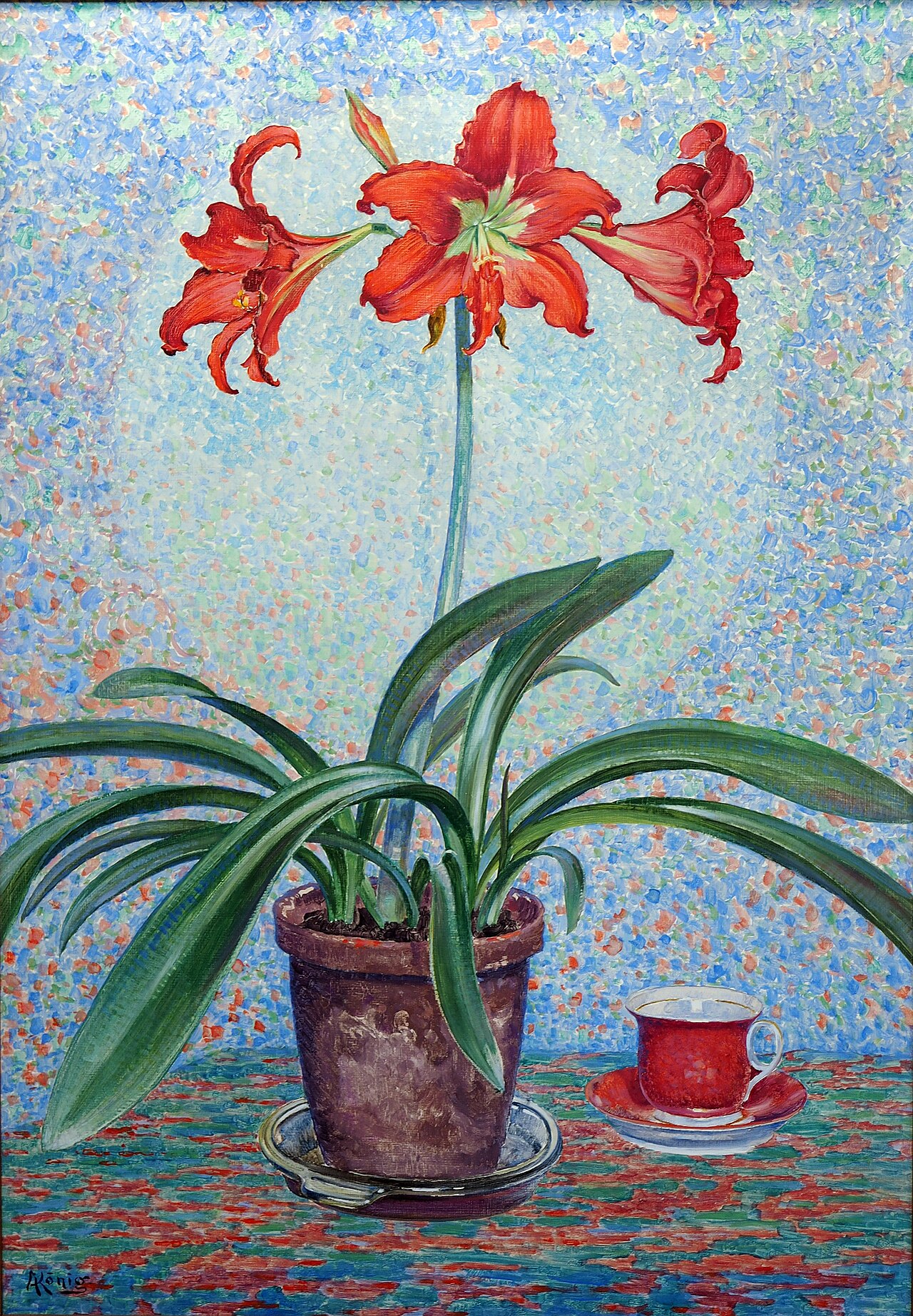
Amaryllis is a popular bulbous plant known for its large, trumpet-shaped flowers, but it contains compounds that are harmful if ingested by pets. It is best kept out of reach of curious animals to prevent accidental exposure.
Potentially toxic for cats & dogs.
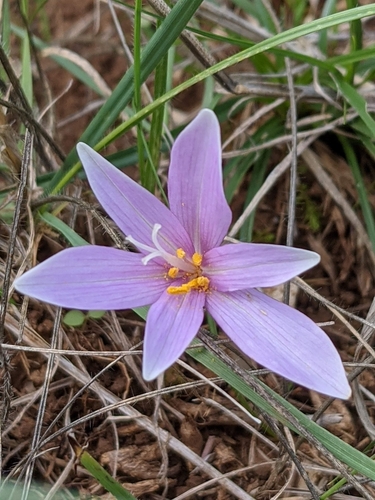
The Autumn Crocus is a bulbous perennial known for its late-season blooms that emerge directly from the ground. It contains potent alkaloids that make it highly dangerous if ingested by pets.
Potentially toxic for cats & dogs.
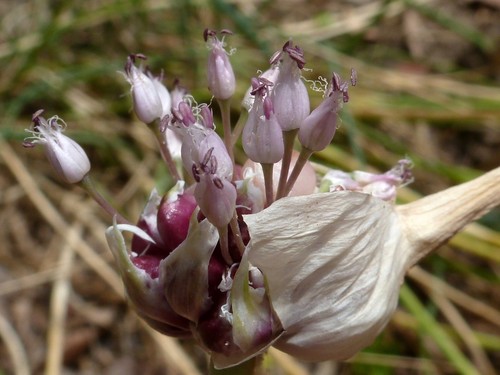
Garlic is a bulbous perennial herb widely cultivated for its culinary and medicinal uses, belonging to the Amaryllidaceae family. It contains compounds that can cause significant health issues in pets if ingested.
Potentially toxic for cats & dogs.
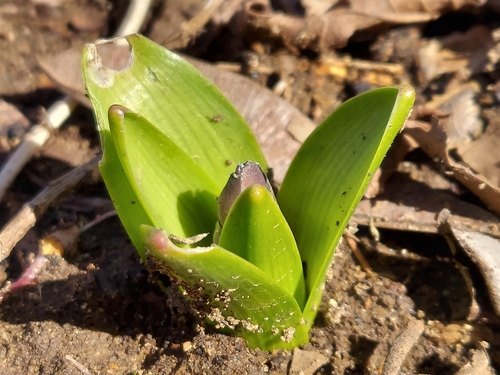
Hyacinthus orientalis is a popular spring-flowering bulb known for its fragrant, dense clusters of bell-shaped flowers. It contains calcium oxalate crystals and alkaloids that can cause irritation if ingested by pets.
Potentially toxic for cats & dogs.