Cats
Potentially toxicConsulted references classify the plant as toxic or irritating for that pet type.
Verified against ASPCA/provenance audit 2026-05-06 on May 6, 2026.
Sources
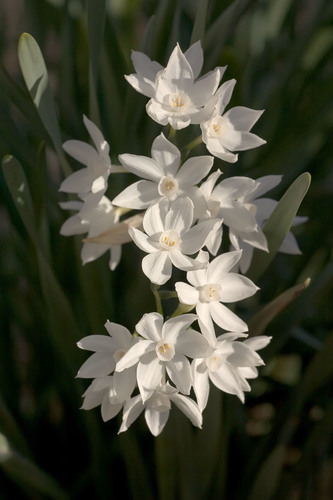
Narcissus jonquilla
The jonquil is a bulbous perennial known for its fragrant, clustered yellow flowers and grass-like foliage. It contains alkaloids that can cause significant gastrointestinal distress if ingested by pets.
Safety status
Cats
Potentially toxicConsulted references classify the plant as toxic or irritating for that pet type.
Verified against ASPCA/provenance audit 2026-05-06 on May 6, 2026.
Sources
Cats should not chew jonquil. The plant contains lycorine and related alkaloids — concentrated in the bulb — that reliably trigger vomiting, drooling and diarrhea, and large ingestions can progress to tremors and cardiac arrhythmias.
The first signs are usually drooling and vomiting, followed by diarrhea and abdominal discomfort. With larger ingestions — especially if a cat has chewed a bulb — watch for tremors, low blood pressure, irregular heartbeat, and convulsions. The bulb is the most poisonous part of the plant.
GI signs typically appear within hours of ingestion. ASPCA and Pet Poison Helpline note signs may appear immediately but can also be delayed; precise onset windows are not well documented for cats.
Call your veterinarian or ASPCA Animal Poison Control (888-426-4435) any time you see vomiting, persistent drooling, or know your cat has chewed a bulb. Don't wait for severe signs — bulb ingestions warrant a same-hour call.
Call ASPCA Animal Poison Control at (888) 426-4435 or your veterinarian as soon as possible. Do not induce vomiting unless a veterinarian instructs you to.
Sources: ASPCA, Pet Poison Helpline.
If a pet has chewed or swallowed plant material and is showing symptoms, contact a veterinarian or poison resource immediately. This product is for structured reference, not diagnosis.
Cats — concern notes
Common signs
Vomiting, excessive salivation, diarrhea, and potential abdominal pain.
Escalation note
Ingestion of the bulb is particularly dangerous due to higher concentrations of toxins. Please contact your veterinarian immediately if you suspect your cat has consumed any part of this plant.
Safer alternatives
No hand-picked alternatives for this plant yet. You can still pick your own using the Compare button on any other plant.
ASPCA Toxic Plant List
toxicology · 99% reliability
The jonquil contains lycorine and other alkaloids that are toxic to both cats and dogs.
Yes, jonquil (Narcissus jonquilla) is toxic to cats. It contains alkaloids that can cause vomiting, excessive salivation, diarrhea, and abdominal pain. The bulb is the most dangerous part due to higher concentrations of toxins.
The first signs are usually drooling and vomiting, followed by diarrhea and abdominal discomfort. With larger ingestions — especially if your cat chewed a bulb — watch for tremors, low blood pressure, irregular heartbeat, and convulsions. GI signs can appear within hours, though onset timing is not precisely documented for cats.
Call ASPCA Animal Poison Control at (888) 426-4435 or your veterinarian as soon as possible — bulb ingestions warrant a same-hour call, so don't wait for severe signs to appear. Do not induce vomiting unless a veterinarian specifically instructs you to.
Yes, the bulb is the most poisonous part of the jonquil because it contains higher concentrations of the toxic alkaloids. Any part of the plant can cause harm, but a cat that has chewed a bulb is at greater risk for serious effects including tremors, irregular heartbeat, and convulsions beyond the typical GI symptoms.
Same cat verdict
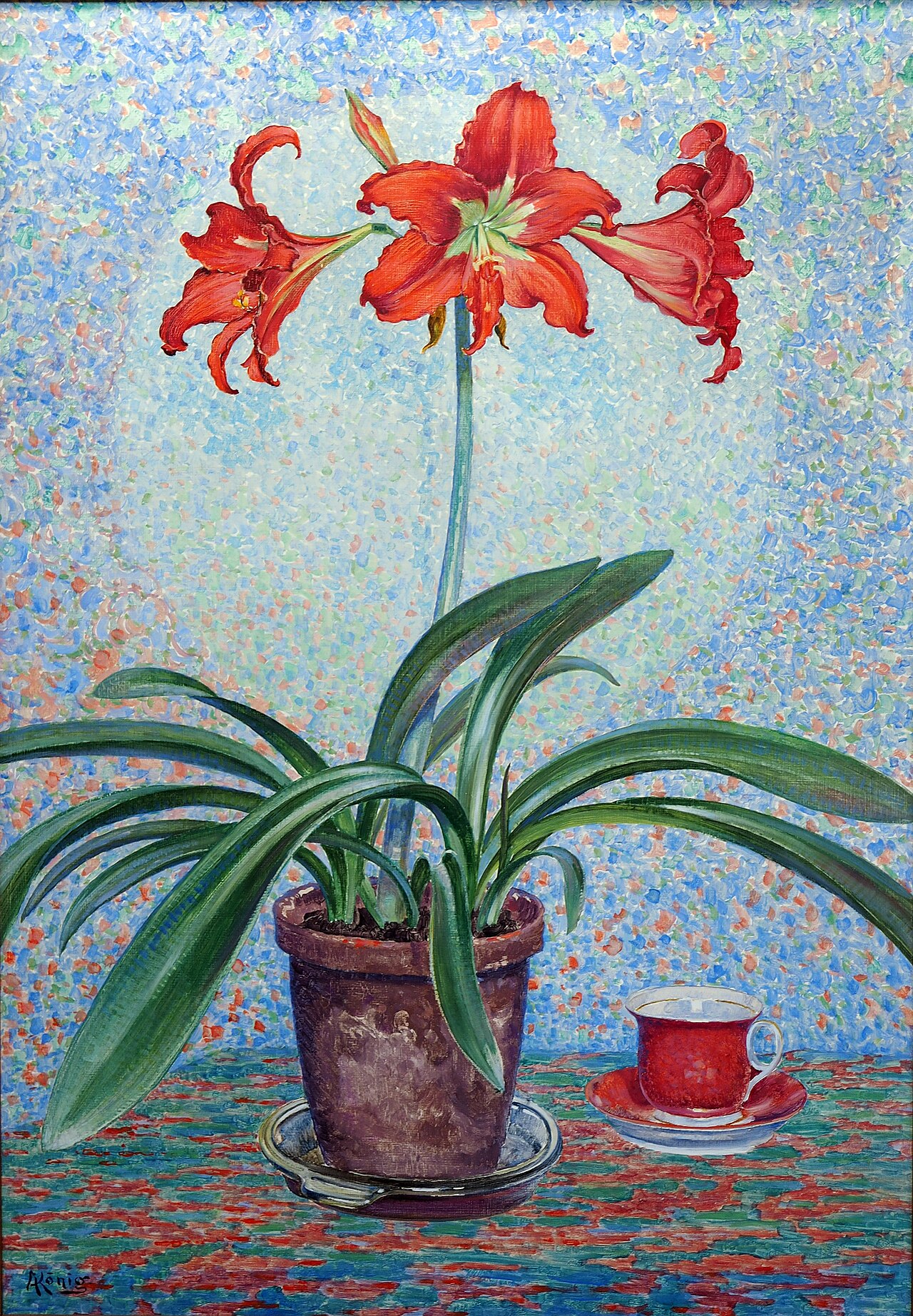
Amaryllis is a popular bulbous plant known for its large, trumpet-shaped flowers, but it contains compounds that are harmful if ingested by pets. It is best kept out of reach of curious animals to prevent accidental exposure.
Potentially toxic for cats & dogs.
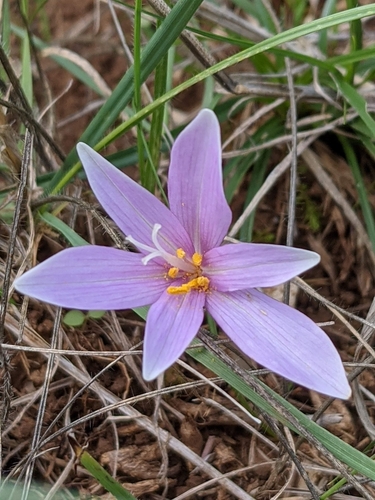
The Autumn Crocus is a bulbous perennial known for its late-season blooms that emerge directly from the ground. It contains potent alkaloids that make it highly dangerous if ingested by pets.
Potentially toxic for cats & dogs.
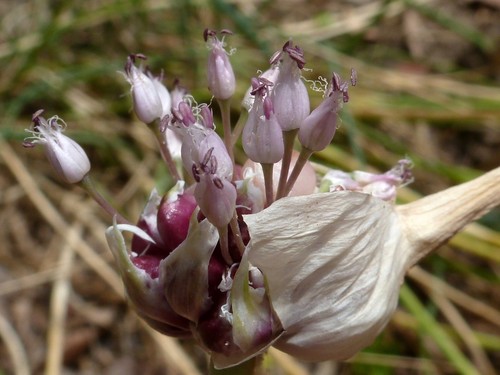
Garlic is a bulbous perennial herb widely cultivated for its culinary and medicinal uses, belonging to the Amaryllidaceae family. It contains compounds that can cause significant health issues in pets if ingested.
Potentially toxic for cats & dogs.
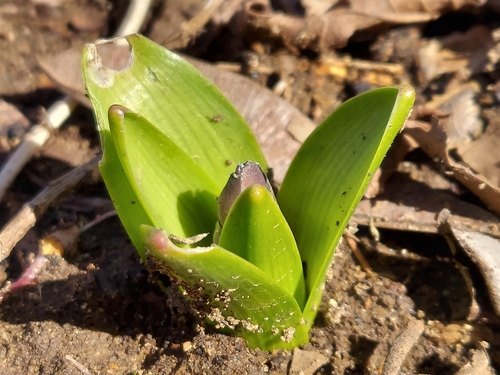
Hyacinthus orientalis is a popular spring-flowering bulb known for its fragrant, dense clusters of bell-shaped flowers. It contains calcium oxalate crystals and alkaloids that can cause irritation if ingested by pets.
Potentially toxic for cats & dogs.