Dogs
Potentially toxicConsulted references classify the plant as toxic or irritating for that pet type.
Verified against ASPCA/provenance audit 2026-05-06 on May 6, 2026.
Sources
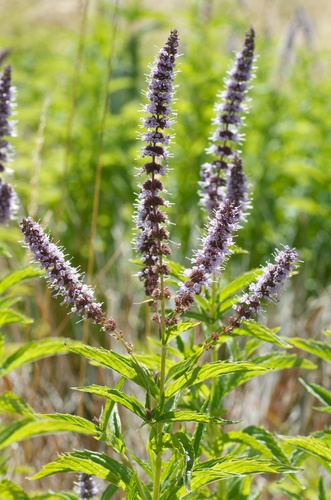
Mentha sp.
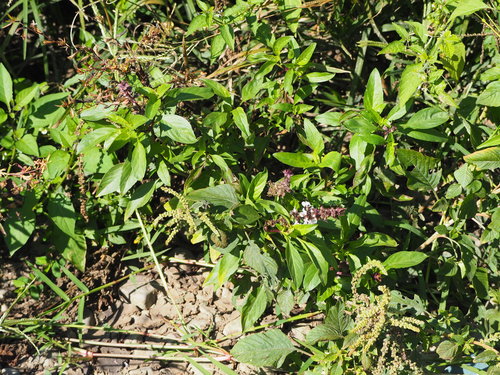
Mint is a popular aromatic herb known for its rapid growth and fragrant foliage. While commonly used in human culinary applications, it contains essential oils that can cause gastrointestinal distress in pets.
Safety status
Dogs
Potentially toxicConsulted references classify the plant as toxic or irritating for that pet type.
Verified against ASPCA/provenance audit 2026-05-06 on May 6, 2026.
Sources
Garden mint is on the ASPCA's toxic-to-dogs list, with essential oils as the toxic principle. The good news for dog owners: a leaf or two grabbed from a herb pot is unlikely to cause more than mild stomach upset. The risk scales with the amount eaten — a dog that demolishes a whole mint plant or licks up spilled mint essential oil is much more likely to need a vet.
Most common with leaf ingestion: vomiting and diarrhea, especially after large amounts. With essential-oil exposure: drooling, weakness, ataxia, and possible CNS depression. Severity is usually mild for casual nibbling and moderate-to-severe for big ingestions or oil exposure.
GI signs from fresh mint usually appear within a few hours and resolve over 24–48 hours with supportive care. Specific timing isn't given by ASPCA; large or essential-oil ingestions can cause faster onset.
Call your vet or ASPCA APCC (888-426-4435) if your dog ate a large quantity of mint, is vomiting repeatedly, has bloody diarrhea, or got into peppermint or any mint essential oil. A single leaf snatched from a planter, with no symptoms, can usually be watched at home.
Sources: ASPCA (no first-aid guidance).
If a pet has chewed or swallowed plant material and is showing symptoms, contact a veterinarian or poison resource immediately. This product is for structured reference, not diagnosis.
Dogs — concern notes
Common signs
Vomiting, diarrhea, and potential abdominal discomfort.
Escalation note
While generally mild, ingestion can lead to digestive irritation. Consult a veterinarian if you are concerned about the amount consumed.
Safer alternatives
Some links earn us a small commission. They never affect our safety classifications.
ASPCA Toxic Plant List
toxicology · 99% reliability
Mentha species are listed as toxic to cats and dogs by the ASPCA.
NC State Extension Plant Toolbox
botanical · 94% reliability
Mentha is a genus of plants in the Lamiaceae family, widely cultivated for culinary and medicinal use.
Mint (Mentha sp.) is classified as potentially toxic to dogs. The essential oils in mint can cause gastrointestinal distress, though a single leaf snatched from a planter typically causes only mild or no symptoms. Larger quantities or exposure to concentrated mint essential oils carry a higher risk of more serious effects.
After eating mint, dogs most commonly show vomiting, diarrhea, and abdominal discomfort. Exposure to peppermint or mint essential oils can additionally cause drooling, weakness, unsteady walking (ataxia), and possible CNS depression. GI signs from fresh mint leaves usually appear within a few hours and resolve over 24–48 hours with supportive care.
Call your vet or the ASPCA Animal Poison Control Center at (888) 426-4435 if your dog ate a large quantity of mint, is vomiting repeatedly, has bloody diarrhea, or got into peppermint or any mint essential oil. A single leaf with no symptoms can generally be monitored at home.
Yes — mint essential oil is significantly more concentrated than fresh leaves and poses a greater risk. While fresh mint leaf ingestion usually causes mild GI upset, essential-oil exposure can cause faster-onset and more severe effects including drooling, weakness, ataxia, and CNS depression, and warrants an immediate call to your vet or the ASPCA APCC at (888) 426-4435.
Same dog verdict
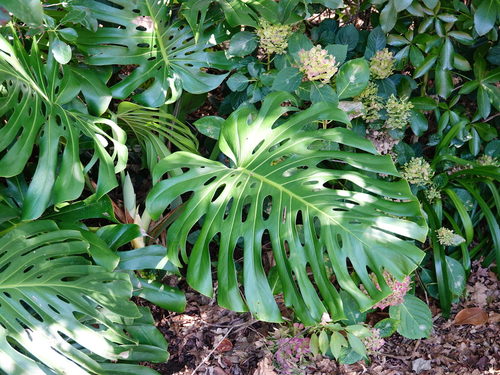
Monstera deliciosa is a popular tropical houseplant known for its large, fenestrated leaves and vining growth habit. It contains insoluble calcium oxalate crystals that can cause irritation if ingested by pets.
Potentially toxic for cats & dogs.
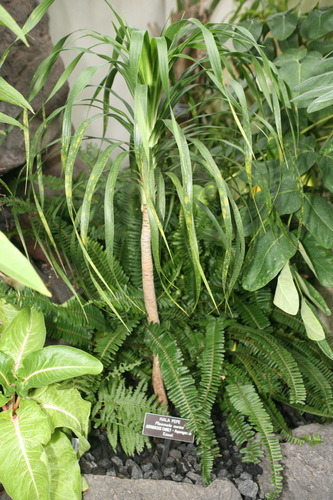
Dracaena trifasciata is a popular, hardy houseplant known for its stiff, sword-like leaves with striking yellow margins. It is widely appreciated for its air-purifying qualities and ability to thrive in various indoor conditions.
Potentially toxic for cats & dogs.
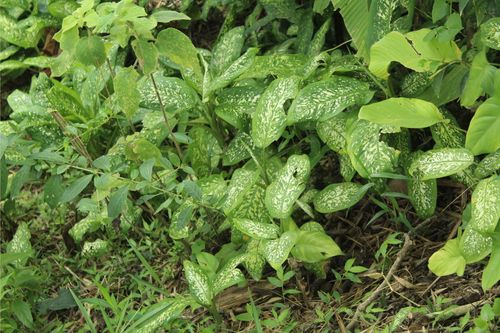
Dieffenbachia is a popular tropical houseplant known for its large, variegated leaves. It contains insoluble calcium oxalate crystals that can cause irritation if ingested or chewed.
Potentially toxic for cats & dogs.
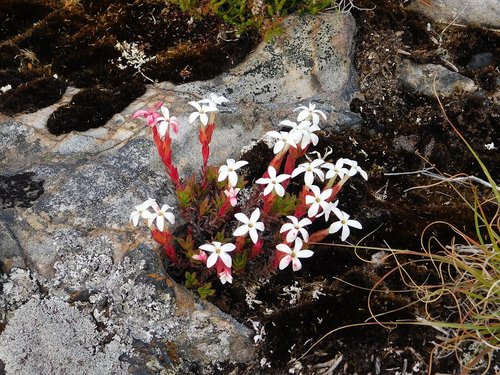
The Jade Plant is a popular succulent known for its thick, woody stems and fleshy, oval-shaped leaves. While aesthetically pleasing, it contains compounds that can cause gastrointestinal distress if ingested by pets.
Potentially toxic for cats & dogs.