Dogs
Potentially toxicConsulted references classify the plant as toxic or irritating for that pet type.
Verified against ASPCA/provenance audit 2026-05-06 on May 6, 2026.
Sources
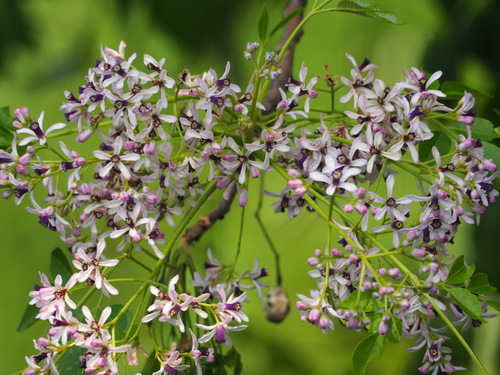
Melia azedarach
The Bead Tree is a deciduous tree known for its fragrant purple flowers and yellow berries, which contain toxic compounds. All parts of the plant, especially the fruit, are considered harmful if ingested by pets.
Safety status
Dogs
Potentially toxicConsulted references classify the plant as toxic or irritating for that pet type.
Verified against ASPCA/provenance audit 2026-05-06 on May 6, 2026.
Sources
Chinaberry is genuinely dangerous to dogs — ASPCA lists meliatoxins in the berries, bark, leaves, and flowers, and dogs are the species reported most often in fatal cases. The ripe yellow berries are the most toxic part, and curious dogs in yards or parks where chinaberry grows should be treated as emergencies if they eat any.
Vomiting, diarrhea (sometimes bloody), drooling, abdominal pain, weakness, and depression. ASPCA also lists seizures with larger ingestions. Watch for tremors, ataxia (wobbling), and collapse.
ASPCA does not publish a specific onset window. Veterinary case reports describe GI signs within a few hours of berry ingestion, with neurological signs and possible deterioration over the following 24 hours.
Call immediately. Any suspected ingestion of berries, bark, leaves, or flowers in a dog warrants an urgent call to your vet or ASPCA Animal Poison Control (888-426-4435) — chinaberry is one of the plants where waiting for symptoms is risky.
Sources: ASPCA, Pet Poison Helpline (no specific first-aid guidance).
If a pet has chewed or swallowed plant material and is showing symptoms, contact a veterinarian or poison resource immediately. This product is for structured reference, not diagnosis.
Dogs — concern notes
Common signs
Vomiting, diarrhea, abdominal pain, weakness, and potential central nervous system depression.
Escalation note
The fruit is highly toxic to dogs and can cause rapid onset of clinical signs. Seek immediate veterinary attention if your dog has consumed any part of this plant.
Safer alternatives
No hand-picked alternatives for this plant yet. You can still pick your own using the Compare button on any other plant.
ASPCA Toxic Plant List
toxicology · 99% reliability
Chinaberry contains meliatoxins which can cause severe gastrointestinal and neurological symptoms in pets.
Yes, chinaberry (Melia azedarach) is considered highly toxic to dogs. All parts of the plant are harmful, with the fruit (berries) posing the greatest danger. The ASPCA classifies it as potentially toxic, and ingestion can cause serious, rapid-onset illness.
Signs include vomiting, diarrhea (sometimes bloody), drooling, abdominal pain, weakness, and depression. Larger ingestions can progress to neurological effects such as tremors, ataxia (wobbling), seizures, and collapse. GI signs can appear within a few hours, with neurological deterioration possible over the following 24 hours.
Do not wait for symptoms — call your vet or the ASPCA Animal Poison Control Center at (888) 426-4435 immediately. Chinaberry is one of the plants where delaying until signs appear is risky. Any suspected ingestion of berries, bark, leaves, or flowers warrants an urgent call.
The fruit (yellow berries) is the most toxic part and is associated with the most severe cases. However, all parts of the plant — including the bark, leaves, and flowers — are considered harmful and should be kept away from dogs.
Same dog verdict
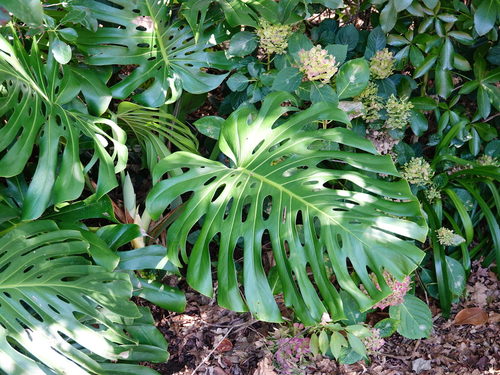
Monstera deliciosa is a popular tropical houseplant known for its large, fenestrated leaves and vining growth habit. It contains insoluble calcium oxalate crystals that can cause irritation if ingested by pets.
Potentially toxic for cats & dogs.
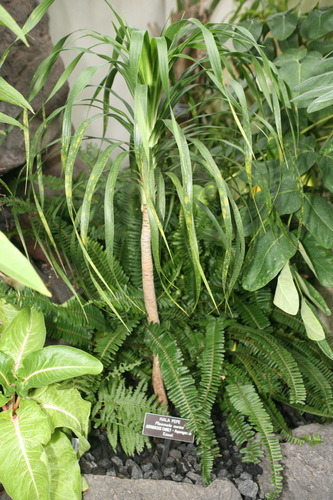
Dracaena trifasciata is a popular, hardy houseplant known for its stiff, sword-like leaves with striking yellow margins. It is widely appreciated for its air-purifying qualities and ability to thrive in various indoor conditions.
Potentially toxic for cats & dogs.
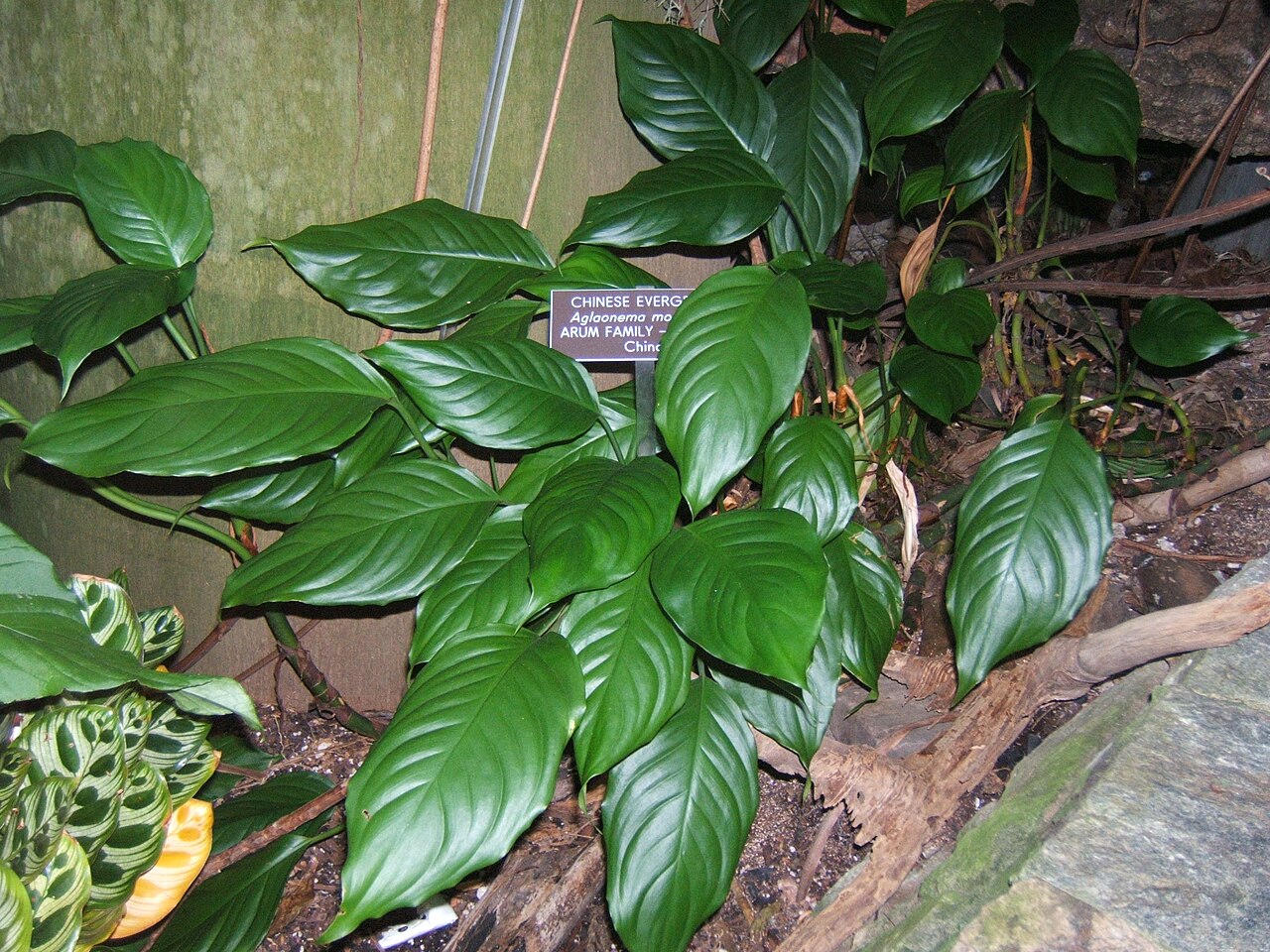
Chinese Evergreen is a popular indoor foliage plant known for its patterned leaves and tolerance of low light conditions. It contains insoluble calcium oxalate crystals that can cause irritation if ingested or chewed.
Potentially toxic for cats & dogs.
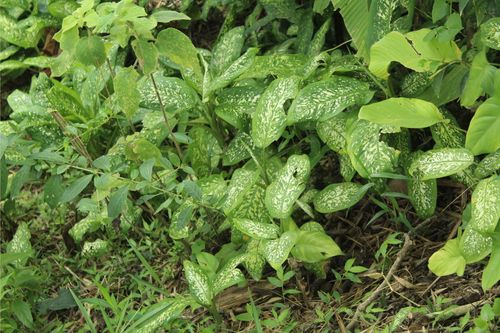
Dieffenbachia is a popular tropical houseplant known for its large, variegated leaves. It contains insoluble calcium oxalate crystals that can cause irritation if ingested or chewed.
Potentially toxic for cats & dogs.