Cats
Potentially toxicConsulted references classify the plant as toxic or irritating for that pet type.
Verified against ASPCA/provenance audit 2026-05-06 on May 6, 2026.
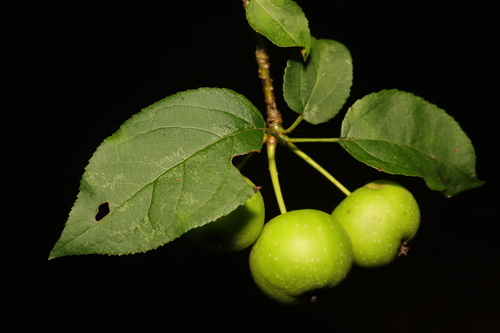
Malus sylvestris
Also known as Malus domestica
The apple tree is a deciduous fruit-bearing plant known for its edible fruit, though the seeds and foliage contain cyanogenic glycosides that can be harmful if ingested in large quantities. While the fruit flesh is generally safe, the plant parts containing amygdalin pose a risk to pets.
Safety status
Cats
Potentially toxicConsulted references classify the plant as toxic or irritating for that pet type.
Verified against ASPCA/provenance audit 2026-05-06 on May 6, 2026.
Cats are toxic-listed for apple by the ASPCA, but the danger isn't the fruit flesh — it's the seeds, leaves, and stems, which release cyanide when chewed. Cats rarely eat enough plant material to develop full cyanide poisoning, but exposure to wilted leaves or chewed seeds is a real risk worth a vet call.
Watch for brick-red gums and mucous membranes, dilated pupils, rapid or labored breathing, panting, drooling, vomiting, and weakness. Severe cases progress to shock and collapse. Mild oral irritation alone after a small nibble is more likely than full cyanide signs in cats.
ASPCA does not publish cat-specific onset times. Cyanide is fast-acting in mammals once released, so signs that appear are likely to develop within minutes to a couple of hours of ingestion. Exact feline timing is not well documented.
Call your vet or ASPCA Animal Poison Control (888-426-4435) immediately if you see red or bluish gums, panting, or any breathing change. Even without symptoms, call for guidance if your cat chewed leaves, stems, or whole seeds — especially from a wilting branch.
Per ASPCA: contact your veterinarian or ASPCA Animal Poison Control (888-426-4435). Do not induce vomiting unless a veterinary professional directs you to. Remove any remaining plant material from your cat's reach so further chewing is impossible.
Sources: ASPCA.
If a pet has chewed or swallowed plant material and is showing symptoms, contact a veterinarian or poison resource immediately. This product is for structured reference, not diagnosis.
Cats — concern notes
Common signs
Dilated pupils, rapid breathing, hyperventilation, and potential shock.
Escalation note
Toxicity is primarily associated with the seeds and foliage. If your cat has ingested significant amounts of plant material, contact your veterinarian immediately.
Safer alternatives
No hand-picked alternatives for this plant yet. You can still pick your own using the Compare button on any other plant.
Plants of the World Online (Kew)
botanical · 95% reliability
Accepted botanical nomenclature for Malus sylvestris.
Apple trees (Malus sylvestris) are potentially toxic to cats. The fruit flesh poses minimal risk, but the seeds, leaves, and stems contain cyanogenic glycosides (amygdalin) that can release cyanide when ingested — making those plant parts genuinely dangerous.
Signs of apple toxicity in cats include dilated pupils, rapid or labored breathing, hyperventilation, brick-red gums, drooling, vomiting, and weakness. Severe cases can progress to shock and collapse, though mild oral irritation is more likely after a small nibble of foliage.
Remove any remaining plant material from your cat's reach immediately, then call your vet or ASPCA Animal Poison Control at (888) 426-4435. Do not induce vomiting unless a veterinary professional directs you to. Even if your cat seems fine, call for guidance if it chewed leaves, stems, or whole seeds — especially from a wilting branch.
Exact onset timing in cats is not well documented by ASPCA, but cyanide is fast-acting in mammals once released — signs are likely to develop within minutes to a couple of hours of ingestion. Call your vet immediately at the first sign of breathing changes, red or bluish gums, or panting rather than waiting to see how symptoms progress.
Same cat verdict
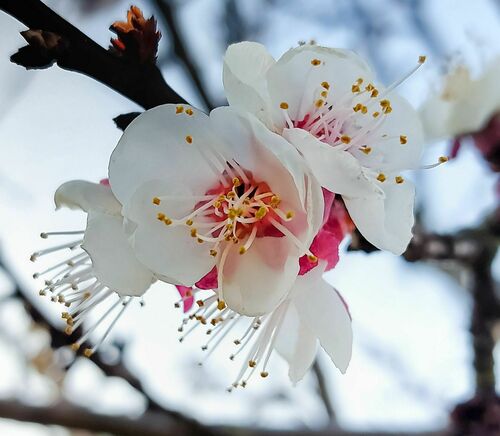
The apricot tree is a fruit-bearing species in the rose family. While the fruit flesh is generally considered safe, the stems, leaves, and seeds contain cyanogenic glycosides that can be harmful if ingested.
Potentially toxic for cats & dogs.
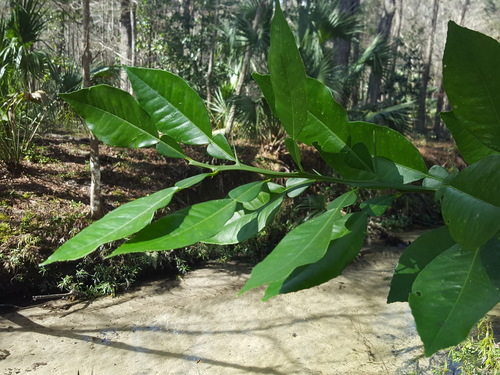
Citrus aurantium is a citrus tree known for its fragrant flowers and bitter fruit, often used in essential oil production. It contains compounds that can cause adverse reactions if ingested by pets.
Potentially toxic for cats & dogs.
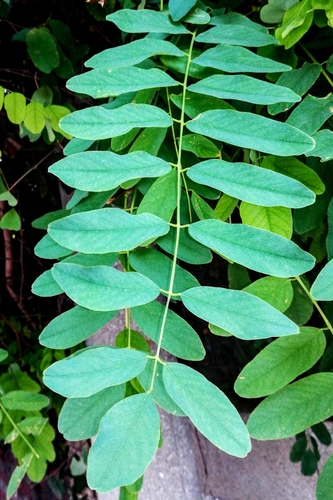
Robinia species, commonly known as locust trees, contain toxic proteins and alkaloids throughout the bark, leaves, and seeds. Ingestion can lead to significant gastrointestinal and neurological distress in pets.
Potentially toxic for cats & dogs.
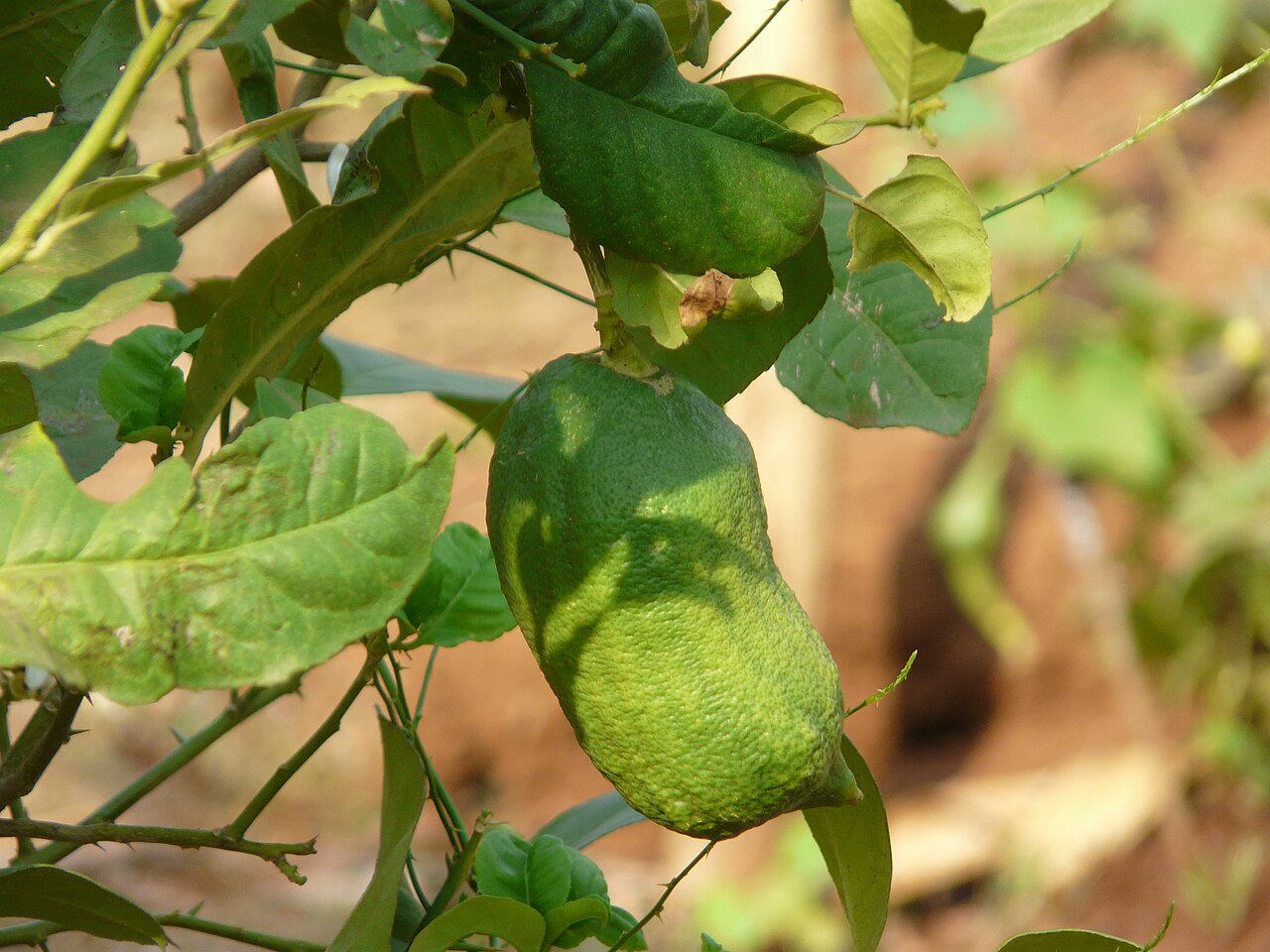
Grapefruit is a citrus tree known for its large, tart fruit and glossy, aromatic foliage. While popular in home orchards, all parts of the plant contain essential oils and psoralens that can cause adverse reactions in pets.
Potentially toxic for cats & dogs.