Dogs
Potentially toxicConsulted references classify the plant as toxic or irritating for that pet type.
Verified against ASPCA/provenance audit 2026-05-06 on May 6, 2026.
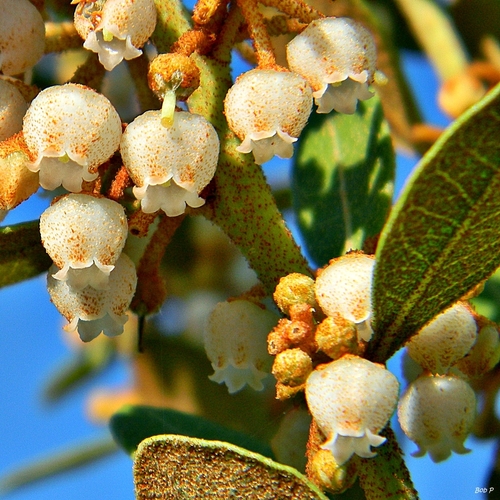
Lyonia sp.
Maleberry is a deciduous shrub in the heath family known for its clusters of small, bell-shaped flowers. It contains grayanotoxins, which can cause significant illness if ingested by pets.
Safety status
Dogs
Potentially toxicConsulted references classify the plant as toxic or irritating for that pet type.
Verified against ASPCA/provenance audit 2026-05-06 on May 6, 2026.
Dogs that chew on maleberry are exposed to grayanotoxin — the same heart-affecting toxin found in azaleas and rhododendrons. Even a handful of leaves can trigger vomiting and abnormal heart rhythms in a medium-sized dog. This isn't a watch-and-wait plant; call a vet.
Excessive salivation and vomiting often start first, then diarrhea, abdominal pain, and lethargy. The serious signs are weakness, collapse, slow heart rate, low blood pressure, difficulty breathing, and tremors or seizures. Smaller dogs reach dangerous doses faster than larger ones.
Signs usually appear within 1 to 4 hours, with onset occasionally delayed up to 12 hours. Most dogs that ate a small amount feel better within 24 hours of treatment; serious ingestions can require 48 hours or more of cardiac monitoring.
Call your vet or Pet Poison Helpline (1-800-213-6680) immediately on any ingestion. Treat collapse, irregular breathing, persistent vomiting, or any change in heart rate or rhythm as an emergency — go to the nearest clinic.
Remove any plant material from your dog's mouth and bring a sample (a leaf or piece of stem) to the clinic for ID. Do not give anything by mouth and do not induce vomiting at home.
Sources: ASPCA, NC State Extension, MSD Veterinary Manual.
If a pet has chewed or swallowed plant material and is showing symptoms, contact a veterinarian or poison resource immediately. This product is for structured reference, not diagnosis.
Dogs — concern notes
Common signs
Excessive salivation, vomiting, abdominal pain, lethargy, and difficulty breathing.
Escalation note
The presence of grayanotoxins makes this plant dangerous to dogs; seek veterinary care promptly if ingestion occurs.
Safer alternatives
No hand-picked alternatives for this plant yet. You can still pick your own using the Compare button on any other plant.
NC State Extension Plant Toolbox
botanical · 94% reliability
Lyonia ligustrina, commonly known as maleberry, is a native shrub that is part of the Ericaceae family.
Yes, maleberry (Lyonia sp.) is toxic to dogs. It contains grayanotoxins, which can cause significant illness, and veterinary care should be sought promptly if your dog ingests any part of the plant.
Early signs include excessive salivation, vomiting, abdominal pain, and lethargy, usually appearing within 1 to 4 hours of ingestion (though onset can be delayed up to 12 hours). Serious cases progress to weakness, collapse, slow heart rate, low blood pressure, difficulty breathing, and tremors or seizures. Smaller dogs reach dangerous doses faster than larger ones.
Remove any plant material from your dog's mouth and keep a sample (a leaf or piece of stem) to bring to the clinic for identification. Do not give anything by mouth and do not try to induce vomiting at home. Call your vet or the ASPCA Animal Poison Control Center at (888) 426-4435 immediately.
Most dogs that ingested a small amount feel better within 24 hours of treatment, but serious ingestions can require 48 hours or more of cardiac monitoring. Treat collapse, irregular breathing, persistent vomiting, or any change in heart rate as an emergency and go to the nearest veterinary clinic without delay.
Same dog verdict
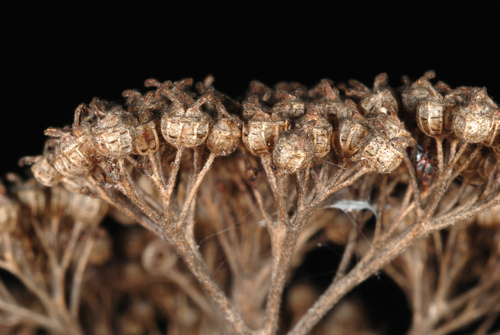
Hydrangea arborescens is a deciduous shrub known for its large, rounded clusters of white flowers. It contains cyanogenic glycosides which can cause gastrointestinal distress if ingested by pets.
Potentially toxic for cats & dogs.
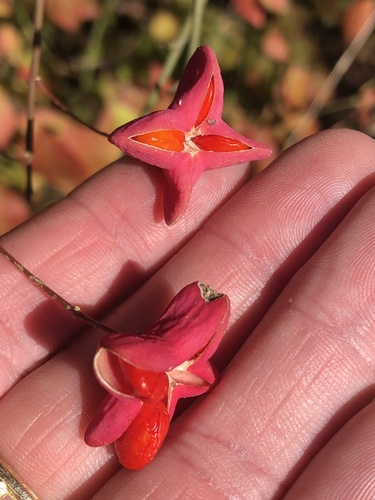
Euonymus atropurpurea is a deciduous shrub known for its vibrant fall foliage and deep red berries. It contains cardiac glycosides which can be harmful if ingested by pets.
Potentially toxic for cats & dogs.
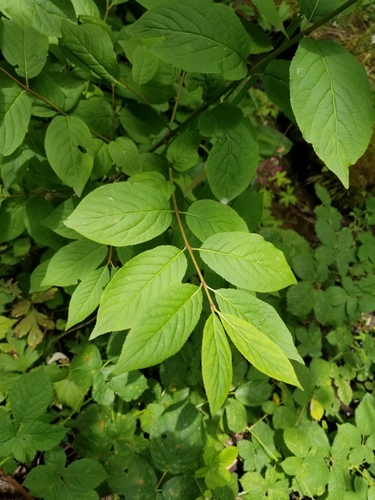
Euonymus occidentalis, commonly known as the Western burning bush or Wahoo, is a deciduous shrub containing cardiac glycosides that are harmful if ingested. It is best kept out of reach of all household pets.
Potentially toxic for cats & dogs.
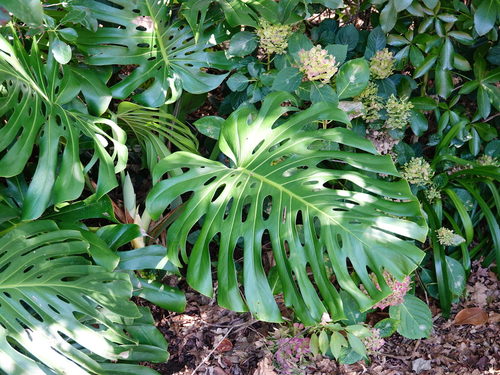
Monstera deliciosa is a popular tropical houseplant known for its large, fenestrated leaves and vining growth habit. It contains insoluble calcium oxalate crystals that can cause irritation if ingested by pets.
Potentially toxic for cats & dogs.