Dogs
UncertainIdentity or evidence quality is not strong enough for a firm answer.
Verified against ASPCA/provenance audit 2026-05-06 on May 6, 2026.

Lilium speciosum
Lilium speciosum is a bulbous perennial known for its fragrant, recurved petals and striking color patterns. It is highly toxic to cats, as are many members of the Lilium genus.
Safety status
Dogs
UncertainIdentity or evidence quality is not strong enough for a firm answer.
Verified against ASPCA/provenance audit 2026-05-06 on May 6, 2026.
Dogs do not get the kidney failure that Japanese show lilies cause in cats — ASPCA classifies Lilium speciosum as non-toxic to dogs. A dog that chews a stem or petal may get a brief upset stomach, especially if pre-existing health issues are present, but no systemic poisoning is expected.
Mild GI signs are the main concern: vomiting, diarrhea, or short-lived appetite loss after eating leaves, stems, or flowers. Older dogs or those with chronic illness may react more strongly.
Specific onset and duration figures for dogs are not well documented; ASPCA classifies the plant as non-toxic for dogs, so signs reflect general plant-material irritation that typically resolves within a day with supportive care.
Call your vet (or ASPCA Animal Poison Control at 888-426-4435) if vomiting or diarrhea last more than a few hours, if your dog ate a large amount, or if it stops eating, becomes lethargic, or shows signs of dehydration.
Sources: ASPCA.
If a pet has chewed or swallowed plant material and is showing symptoms, contact a veterinarian or poison resource immediately. This product is for structured reference, not diagnosis.
Dogs — concern notes
Common signs
Gastrointestinal upset, including vomiting or diarrhea, may occur if ingested.
Escalation note
While true lilies are not known to cause the same severe renal failure in dogs as they do in cats, they can still cause digestive irritation. Consult a veterinarian if your dog consumes any part of the plant.
Safer alternatives
No hand-picked alternatives for this plant yet. You can still pick your own using the Compare button on any other plant.
Kew Plants of the World Online
botanical · 95% reliability
Accepted botanical name and distribution data for Lilium speciosum.
Japanese Show Lily (Lilium speciosum) is classified as non-toxic to dogs by the ASPCA, though the classification carries some uncertainty. Unlike cats, dogs are not known to suffer the severe kidney failure that lilies can cause in felines; the main risk for dogs is mild gastrointestinal upset if they chew or eat part of the plant.
The most likely signs are mild GI irritation: vomiting, diarrhea, or a short-lived loss of appetite after eating leaves, stems, or flowers. Older dogs or those with chronic illness may react more strongly than healthy adults. Severe or systemic symptoms are not documented for this plant in dogs.
Monitor your dog for vomiting, diarrhea, or lethargy. Call your vet or ASPCA Animal Poison Control at (888) 426-4435 if GI signs last more than a few hours, if your dog ate a large amount, if it stops eating, or if it shows signs of dehydration. Most cases of minor ingestion resolve within a day with supportive care.
True lilies are notorious for causing acute kidney failure in cats, but dogs do not share this vulnerability — the renal toxicity specific to cats has not been documented in dogs. For dogs, ingestion is associated only with general plant-material irritation of the digestive tract, and onset and duration figures are not well established because reactions are typically mild and self-limiting.
Same dog verdict
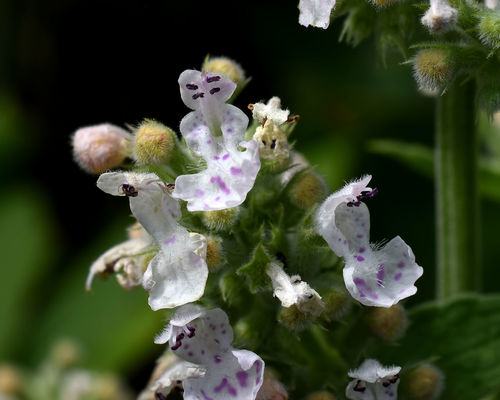
Catnip is a member of the mint family known for its stimulating effects on many cats, though ingestion of large quantities can cause gastrointestinal distress. It is generally considered safe for dogs, though it is not a standard part of their diet.
Potentially toxic for cats.
Uncertain for dogs.

Day lilies are popular garden perennials known for their vibrant, trumpet-shaped blooms. While beautiful, they are highly dangerous to cats and should be kept strictly out of reach.
Potentially toxic for cats.
Uncertain for dogs.

The Orange Day Lily is a perennial flowering plant known for its vibrant, trumpet-shaped blooms. While popular in gardens, it is highly dangerous to cats if ingested.
Potentially toxic for cats.
Uncertain for dogs.