Cats
Potentially toxicConsulted references classify the plant as toxic or irritating for that pet type.
Verified against ASPCA/provenance audit 2026-05-06 on May 6, 2026.
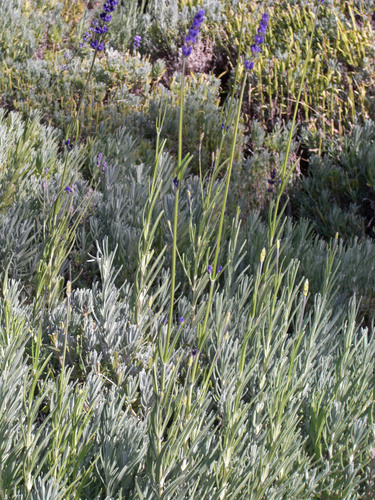
Lavandula angustifolia
Lavender is a popular aromatic herb known for its fragrant purple flowers and silvery-green foliage. While widely used in essential oils and culinary applications, it contains compounds that can cause gastrointestinal distress if ingested by pets.
Safety status
Cats
Potentially toxicConsulted references classify the plant as toxic or irritating for that pet type.
Verified against ASPCA/provenance audit 2026-05-06 on May 6, 2026.
Cats: lavender is listed by ASPCA as toxic, with linalool and linalyl acetate as the toxic principles. Cats are particularly sensitive because they lack the liver enzymes needed to efficiently clear these compounds, so concentrated exposures (essential oil, dried potpourri) deserve more concern than a brushed-off leaf.
Most common signs after chewing the plant: nausea, vomiting, and inappetence. Watch for drooling, lethargy, or refusal of food in the hours after exposure. Concentrated lavender essential oil can additionally cause tremors, wobbliness (ataxia), and respiratory irritation in cats.
GI signs from chewing the plant typically appear within a few hours and resolve in 24–48 hours with supportive care. Essential-oil exposure can cause signs that take 3–7 days to fully resolve.
Call a vet or ASPCA Poison Control (888-426-4435) if your cat has chewed more than a leaf or two, has been exposed to lavender essential oil or potpourri, or shows persistent vomiting, drooling, lethargy, tremors, or stops eating.
Move the cat away from the plant and gently wipe out any plant matter from the mouth. If essential oil got on the fur or skin, wash it off with a mild dish soap to prevent further absorption. Do not induce vomiting unless instructed by a veterinarian or poison control.
Sources: ASPCA, Pet Poison Helpline.
If a pet has chewed or swallowed plant material and is showing symptoms, contact a veterinarian or poison resource immediately. This product is for structured reference, not diagnosis.
Cats — concern notes
Common signs
Vomiting, decreased appetite, and potential lethargy.
Escalation note
Ingestion typically results in mild to moderate gastrointestinal upset. Please contact your veterinarian if your cat consumes a significant amount of the plant.
Safer alternatives
Some links earn us a small commission. They never affect our safety classifications.
Yes, lavender is considered potentially toxic to cats. Ingestion can cause mild to moderate gastrointestinal upset, and concentrated lavender essential oil poses a higher risk than the plant itself.
After chewing lavender, cats most commonly show nausea, vomiting, decreased appetite, and lethargy. Exposure to concentrated lavender essential oil can additionally cause drooling, tremors, wobbliness (ataxia), and respiratory irritation.
Move your cat away from the plant and wipe any plant material from their mouth. If lavender essential oil got on their fur or skin, wash it off with mild dish soap to prevent further absorption. Do not induce vomiting unless directed by a vet or ASPCA Poison Control (888-426-4435).
GI signs from chewing the plant typically appear within a few hours and resolve within 24–48 hours with supportive care. Essential-oil exposure can cause symptoms that take 3–7 days to fully resolve, so call your vet or ASPCA Poison Control (888-426-4435) if your cat was exposed to oil, potpourri, or has eaten more than a leaf or two.
Same cat verdict
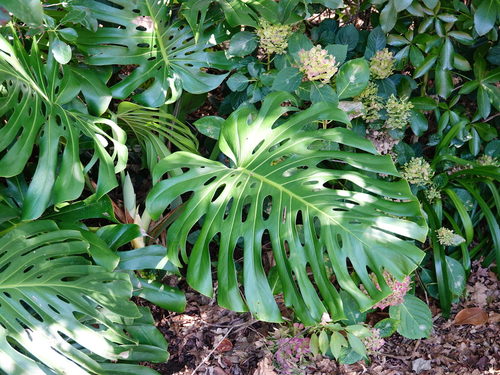
Monstera deliciosa is a popular tropical houseplant known for its large, fenestrated leaves and vining growth habit. It contains insoluble calcium oxalate crystals that can cause irritation if ingested by pets.
Potentially toxic for cats & dogs.
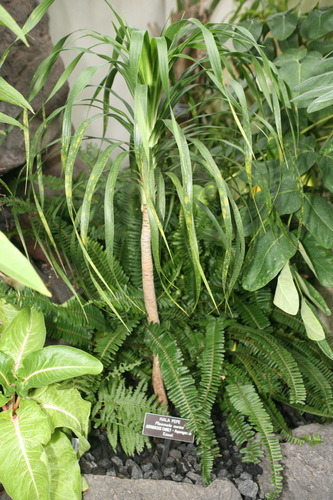
Dracaena trifasciata is a popular, hardy houseplant known for its stiff, sword-like leaves with striking yellow margins. It is widely appreciated for its air-purifying qualities and ability to thrive in various indoor conditions.
Potentially toxic for cats & dogs.
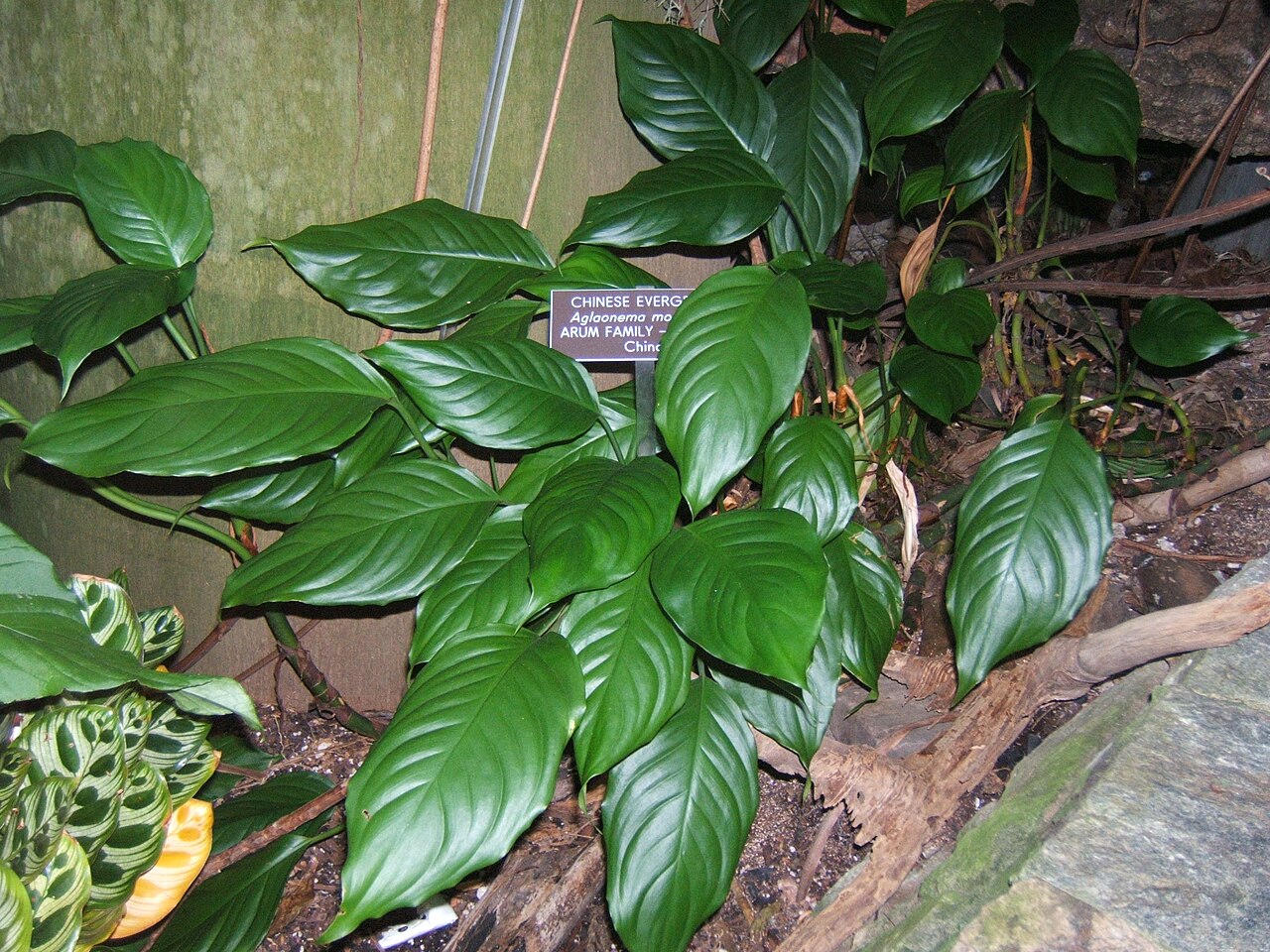
Chinese Evergreen is a popular indoor foliage plant known for its patterned leaves and tolerance of low light conditions. It contains insoluble calcium oxalate crystals that can cause irritation if ingested or chewed.
Potentially toxic for cats & dogs.
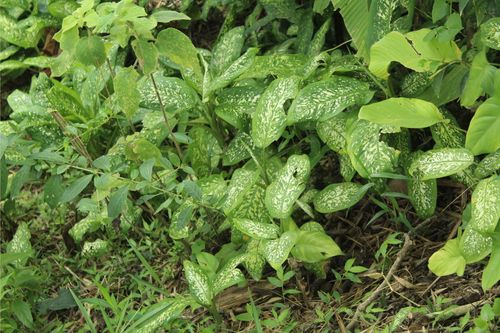
Dieffenbachia is a popular tropical houseplant known for its large, variegated leaves. It contains insoluble calcium oxalate crystals that can cause irritation if ingested or chewed.
Potentially toxic for cats & dogs.