Dogs
Potentially toxicConsulted references classify the plant as toxic or irritating for that pet type.
Verified against ASPCA/provenance audit 2026-05-06 on May 6, 2026.
Sources
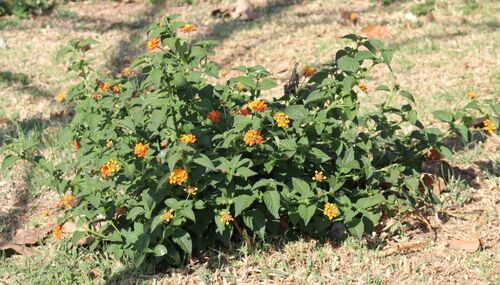
Lantana camara
Lantana is a flowering shrub known for its clusters of vibrant, multi-colored blooms. It contains triterpenoids that can cause significant health issues if ingested by pets.
Safety status
Dogs
Potentially toxicConsulted references classify the plant as toxic or irritating for that pet type.
Verified against ASPCA/provenance audit 2026-05-06 on May 6, 2026.
Sources
Dogs that chew lantana most often develop vomiting, diarrhea and weakness from the plant's pentacyclic triterpenoids. ASPCA notes liver failure is possible but rare in dogs — usually tied to long-term browsing or unusually large ingestions, not one mouthful.
Most-common: vomiting, diarrhea, loss of appetite, lethargy, and weakness. Labored breathing has been reported. Less commonly — typically with sustained or large ingestions — yellowing of the gums or eyes (jaundice) signaling liver injury.
Onset and duration are not well documented for dogs. ASPCA notes liver failure is uncommon and tied to large or repeated ingestions; single small ingestions usually present as GI signs only.
Call your veterinarian or ASPCA Animal Poison Control (888-426-4435) for any vomiting, diarrhea, weakness, or appetite loss after exposure. If your dog has been getting into lantana repeatedly, treat that as urgent and call right away — repeated exposure is when liver injury becomes a real risk.
Call ASPCA Animal Poison Control at (888) 426-4435 or your veterinarian as soon as possible. Do not induce vomiting unless a veterinarian instructs you to.
Sources: ASPCA, Pet Poison Helpline.
If a pet has chewed or swallowed plant material and is showing symptoms, contact a veterinarian or poison resource immediately. This product is for structured reference, not diagnosis.
Dogs — concern notes
Common signs
Vomiting, diarrhea, loss of appetite, lethargy, and potential liver failure in severe cases.
Escalation note
Lantana is considered highly toxic to dogs. If ingestion is suspected, seek immediate veterinary attention to manage potential gastrointestinal and hepatic complications.
Safer alternatives
No hand-picked alternatives for this plant yet. You can still pick your own using the Compare button on any other plant.
ASPCA Toxic Plant List
toxicology · 99% reliability
Lantana is toxic to cats and dogs, containing triterpenoids that cause gastrointestinal distress and potential liver damage.
Yes, lantana (Lantana camara) is considered highly toxic to dogs. It contains triterpenoids that can cause gastrointestinal and liver damage, and any suspected ingestion warrants immediate veterinary attention.
The most common signs are vomiting, diarrhea, loss of appetite, lethargy, and weakness. Labored breathing has also been reported. With large or repeated ingestions, liver injury can develop, which may appear as yellowing of the gums or eyes (jaundice).
Call ASPCA Animal Poison Control at (888) 426-4435 or your veterinarian immediately. Do not induce vomiting unless a veterinarian specifically instructs you to — prompt professional guidance is the priority.
A single small ingestion usually causes GI signs only; liver failure is uncommon but is linked to large or repeated ingestions. If your dog has been getting into lantana more than once, treat it as urgent and call your vet right away, since cumulative exposure is when serious liver injury becomes a real risk.
Same dog verdict
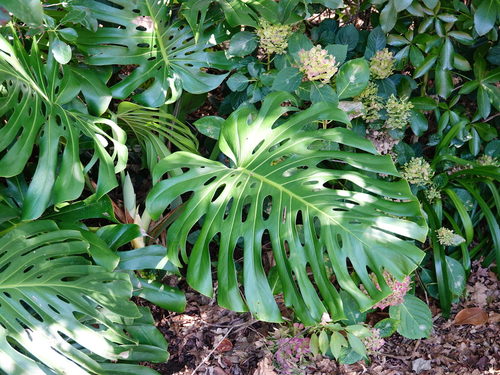
Monstera deliciosa is a popular tropical houseplant known for its large, fenestrated leaves and vining growth habit. It contains insoluble calcium oxalate crystals that can cause irritation if ingested by pets.
Potentially toxic for cats & dogs.
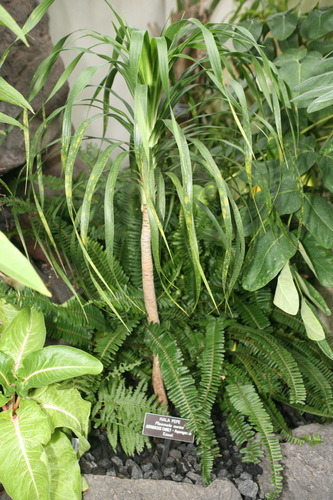
Dracaena trifasciata is a popular, hardy houseplant known for its stiff, sword-like leaves with striking yellow margins. It is widely appreciated for its air-purifying qualities and ability to thrive in various indoor conditions.
Potentially toxic for cats & dogs.
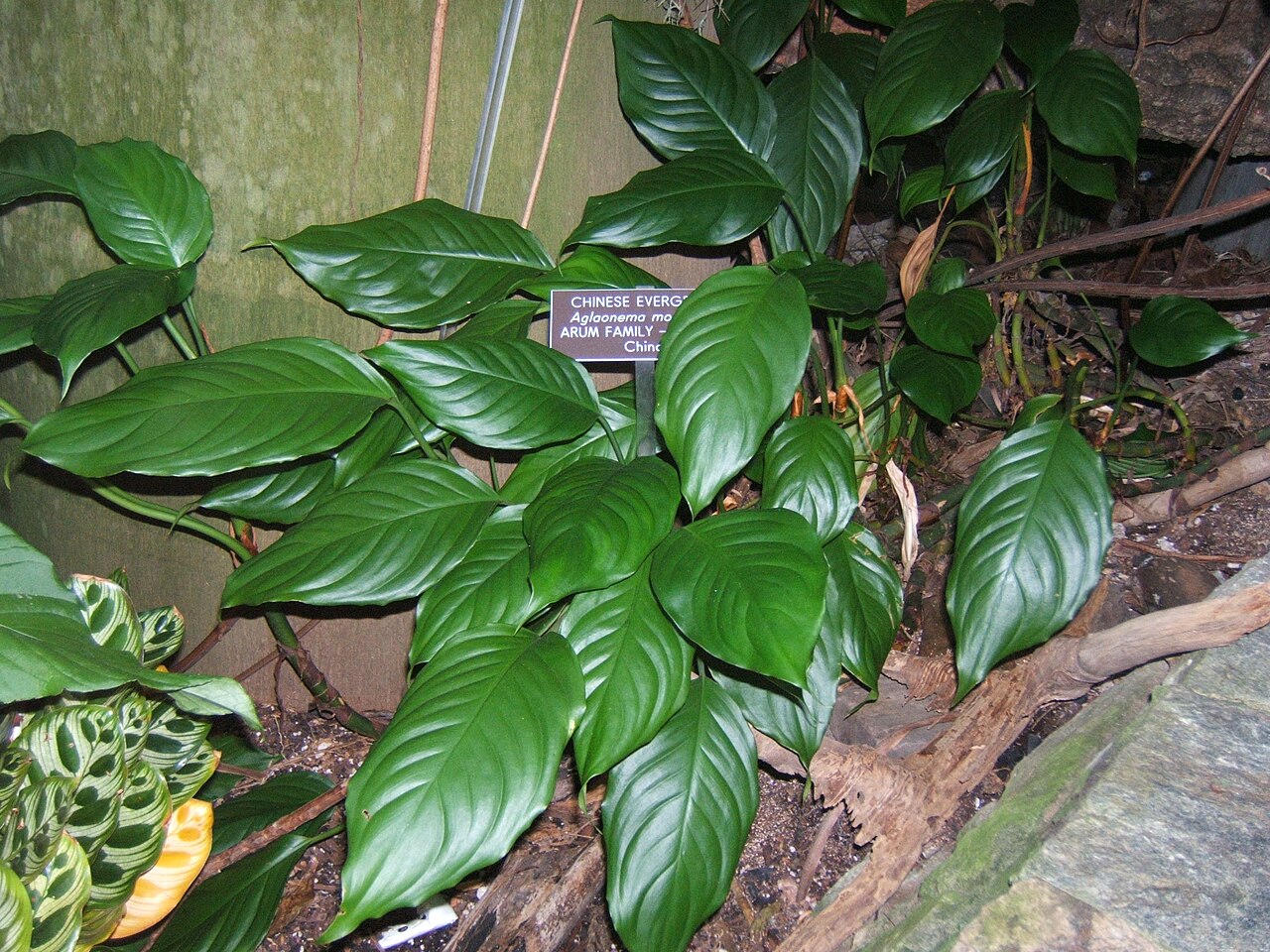
Chinese Evergreen is a popular indoor foliage plant known for its patterned leaves and tolerance of low light conditions. It contains insoluble calcium oxalate crystals that can cause irritation if ingested or chewed.
Potentially toxic for cats & dogs.
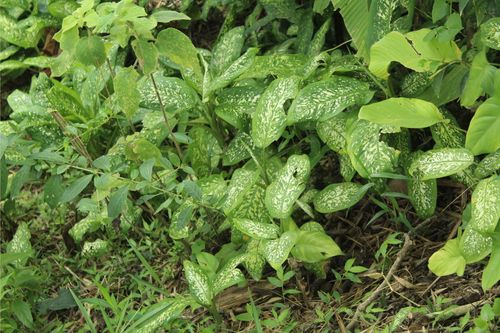
Dieffenbachia is a popular tropical houseplant known for its large, variegated leaves. It contains insoluble calcium oxalate crystals that can cause irritation if ingested or chewed.
Potentially toxic for cats & dogs.