Cats
Potentially toxicConsulted references classify the plant as toxic or irritating for that pet type.
Verified against ASPCA/provenance audit 2026-05-06 on May 6, 2026.
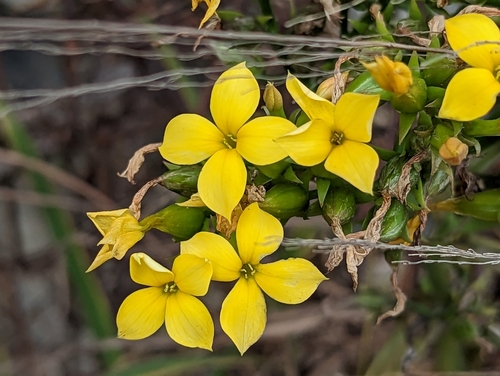
Kalanchoe spp
Kalanchoe is a popular succulent genus known for its clusters of vibrant, long-lasting flowers. While visually appealing, all parts of the plant contain cardiac glycosides that can be harmful if ingested by pets.
Safety status
Cats
Potentially toxicConsulted references classify the plant as toxic or irritating for that pet type.
Verified against ASPCA/provenance audit 2026-05-06 on May 6, 2026.
Cats should not nibble on kalanchoe. The plant's bufadienolides are cardiac glycosides — most of the time the result is GI upset, but a meaningful chew can affect heart rhythm and is treated as a real emergency.
Most ingestions cause vomiting and diarrhea — the typical first sign in cats is vomiting shortly after chewing the leaves or flowers. Larger ingestions can progress to weakness, collapse, and abnormal heart rate or rhythm. Cardiac signs are uncommon but the reason vets take this plant seriously.
Onset and duration are not well documented; ASPCA describes ingestion as most often resulting in GI upset, with cardiac signs rare and tied to larger doses.
Call your veterinarian or ASPCA Animal Poison Control (888-426-4435) any time you see vomiting, lethargy, or weakness after exposure — and call immediately if you noticed a large amount eaten or your cat seems wobbly. Don't wait for cardiac signs.
Call ASPCA Animal Poison Control at (888) 426-4435 or your veterinarian as soon as possible. Do not induce vomiting unless a veterinarian instructs you to.
Sources: ASPCA.
If a pet has chewed or swallowed plant material and is showing symptoms, contact a veterinarian or poison resource immediately. This product is for structured reference, not diagnosis.
Cats — concern notes
Common signs
Vomiting, diarrhea, drooling, and potential heart rhythm abnormalities.
Escalation note
Ingestion can lead to serious cardiac issues. Please contact your veterinarian or an animal poison control center immediately if you suspect your cat has consumed any part of this plant.
Safer alternatives
Some links earn us a small commission. They never affect our safety classifications.
All parts of the Kalanchoe plant contain cardiac glycosides, so leaves, flowers, and stems are all considered potentially harmful. There is no safe portion to expose your cat to, and even small amounts can trigger gastrointestinal upset.
Yes, Kalanchoe is toxic to cats. All parts of the plant contain cardiac glycosides, and ingestion can cause vomiting, diarrhea, drooling, and in larger doses, abnormal heart rhythm. It is classified as potentially toxic with a high-confidence rating from ASPCA sources.
The most common first sign is vomiting, often appearing shortly after a cat chews the leaves or flowers. Diarrhea and drooling typically follow. Larger ingestions can progress to weakness, collapse, and abnormal heart rate or rhythm, though cardiac signs are uncommon at small doses.
Call ASPCA Animal Poison Control at (888) 426-4435 or your veterinarian as soon as possible. Do not induce vomiting unless a veterinarian explicitly instructs you to — cardiac glycoside toxicity requires professional guidance on next steps.
Same cat verdict
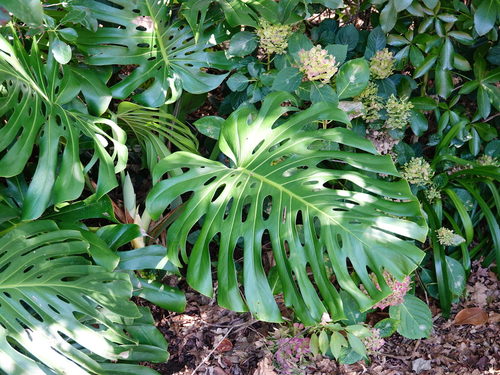
Monstera deliciosa is a popular tropical houseplant known for its large, fenestrated leaves and vining growth habit. It contains insoluble calcium oxalate crystals that can cause irritation if ingested by pets.
Potentially toxic for cats & dogs.
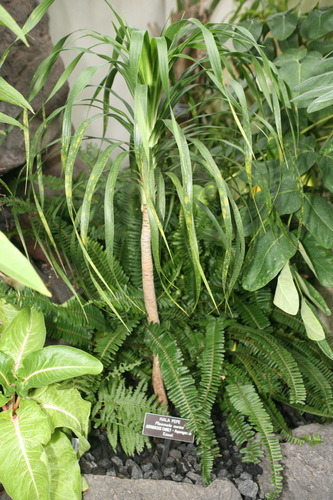
Dracaena trifasciata is a popular, hardy houseplant known for its stiff, sword-like leaves with striking yellow margins. It is widely appreciated for its air-purifying qualities and ability to thrive in various indoor conditions.
Potentially toxic for cats & dogs.
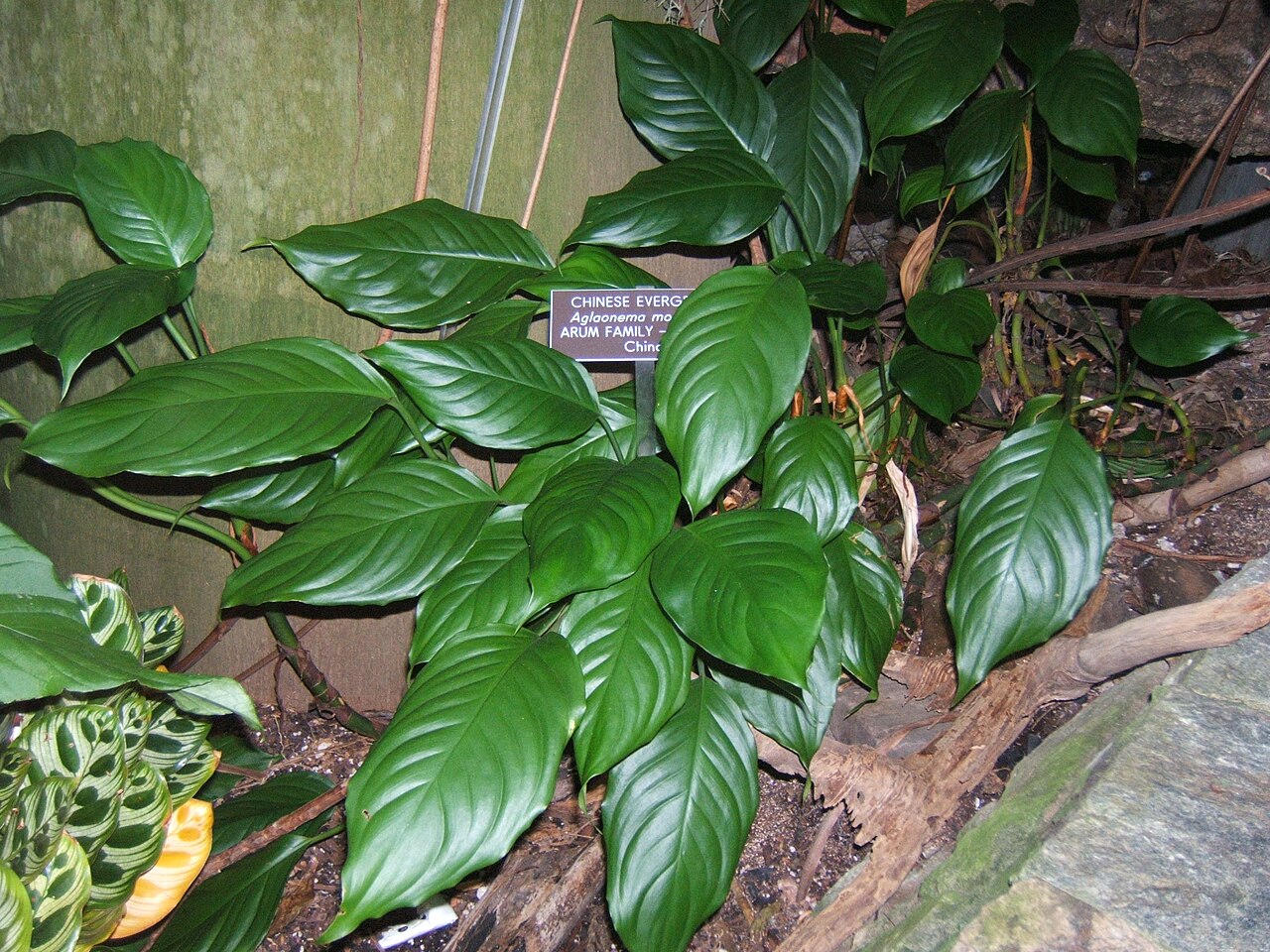
Chinese Evergreen is a popular indoor foliage plant known for its patterned leaves and tolerance of low light conditions. It contains insoluble calcium oxalate crystals that can cause irritation if ingested or chewed.
Potentially toxic for cats & dogs.
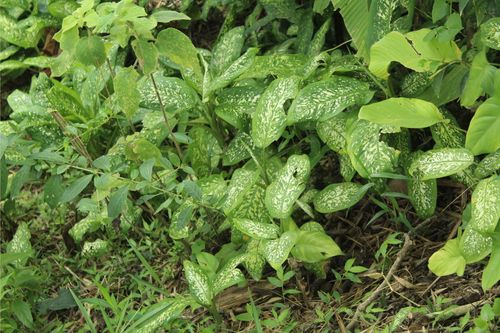
Dieffenbachia is a popular tropical houseplant known for its large, variegated leaves. It contains insoluble calcium oxalate crystals that can cause irritation if ingested or chewed.
Potentially toxic for cats & dogs.