Cats
Potentially toxicConsulted references classify the plant as toxic or irritating for that pet type.
Verified against ASPCA/provenance audit 2026-05-06 on May 6, 2026.
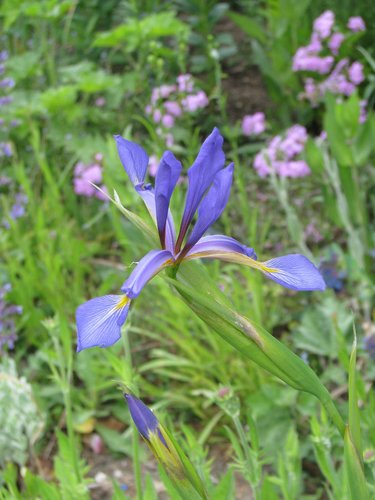
Iris spuria
The Butterfly Iris is a rhizomatous perennial known for its elegant, orchid-like flowers and tall, grass-like foliage. It is commonly grown in garden borders but contains compounds that can cause irritation if ingested by pets.
Safety status
Cats
Potentially toxicConsulted references classify the plant as toxic or irritating for that pet type.
Verified against ASPCA/provenance audit 2026-05-06 on May 6, 2026.
Cats that bite a Butterfly Iris leaf usually get away with mild GI upset — the irritating pentacyclic terpenoids (zeorin, missourin, missouriensin) are concentrated in the rhizomes, not the foliage on display. A cat digging into a pot or pulling up a freshly cut bulb is the bigger concern. ASPCA lists it as toxic to cats; signs are typically uncomfortable but rarely dangerous.
Most common: drooling and vomiting, sometimes with diarrhea and lethargy. ASPCA notes oral and GI irritation as the dominant pattern. With a rhizome ingestion the GI signs tend to be more pronounced and persistent. Watch for refusal to eat, hiding, or repeated vomiting.
Signs can appear as soon as 2 hours after ingestion. Most cats recover within 24–48 hours with supportive care (fluids, anti-nausea medication if needed); rhizome ingestions can take longer to resolve.
Call your vet or ASPCA Poison Control (888-426-4435) if drooling lasts more than a couple of hours, if vomiting or diarrhea persist beyond 12–24 hours, or if your cat appears lethargic or stops eating. Call immediately if you saw the cat chew on the rhizome (bulb-like underground stem) — that's the most toxic part.
Calmly remove any plant matter from the cat's mouth and fur, and pick up remaining plant pieces so there's no second helping. If sap is on the skin or around the mouth, rinse the area with water. Don't induce vomiting on your own. Call your vet or ASPCA Poison Control to decide whether the cat should be seen.
Sources: ASPCA, Pet Poison Helpline.
If a pet has chewed or swallowed plant material and is showing symptoms, contact a veterinarian or poison resource immediately. This product is for structured reference, not diagnosis.
Cats — concern notes
Common signs
Drooling, vomiting, diarrhea, and lethargy.
Escalation note
Ingestion of the rhizomes or leaves can cause gastrointestinal irritation. Please contact your veterinarian if you suspect your cat has ingested any part of this plant.
Safer alternatives
No hand-picked alternatives for this plant yet. You can still pick your own using the Compare button on any other plant.
Kew Plants of the World Online
botanical · 95% reliability
Official botanical record for Iris spuria L., confirming its classification within the Iridaceae family.
Yes, Butterfly Iris (Iris spuria) is potentially toxic to cats. All parts of the plant can cause gastrointestinal irritation if ingested, with the rhizome (the bulb-like underground stem) being the most toxic part.
Expect drooling, vomiting, diarrhea, and lethargy. Oral and GI irritation is the dominant pattern — if your cat chewed on the rhizome rather than just a leaf, the GI signs tend to be more pronounced and persistent. Symptoms can appear as soon as 2 hours after ingestion.
Remove any plant material from your cat's mouth and fur, pick up remaining pieces, and rinse any sap off the skin or around the mouth with water. Do not induce vomiting on your own. Call your vet or ASPCA Poison Control at (888) 426-4435 — especially if you saw your cat chew the rhizome, which warrants an immediate call.
The rhizome — the thick, fleshy underground stem — is the most toxic part of the Butterfly Iris. Ingestion of the rhizome causes more pronounced and longer-lasting GI signs than leaf ingestion, and recovery can take longer than the typical 24–48 hours seen with leaf exposures.
Same cat verdict
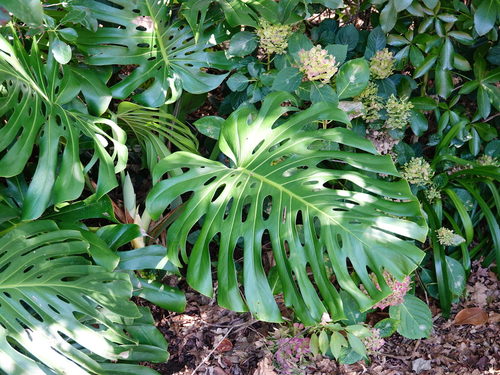
Monstera deliciosa is a popular tropical houseplant known for its large, fenestrated leaves and vining growth habit. It contains insoluble calcium oxalate crystals that can cause irritation if ingested by pets.
Potentially toxic for cats & dogs.
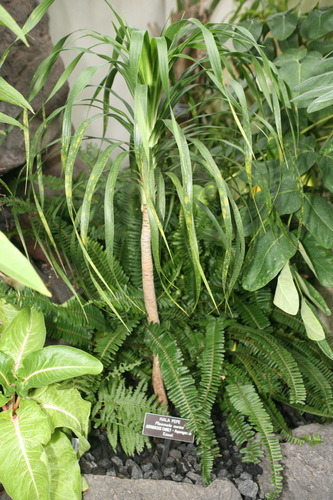
Dracaena trifasciata is a popular, hardy houseplant known for its stiff, sword-like leaves with striking yellow margins. It is widely appreciated for its air-purifying qualities and ability to thrive in various indoor conditions.
Potentially toxic for cats & dogs.
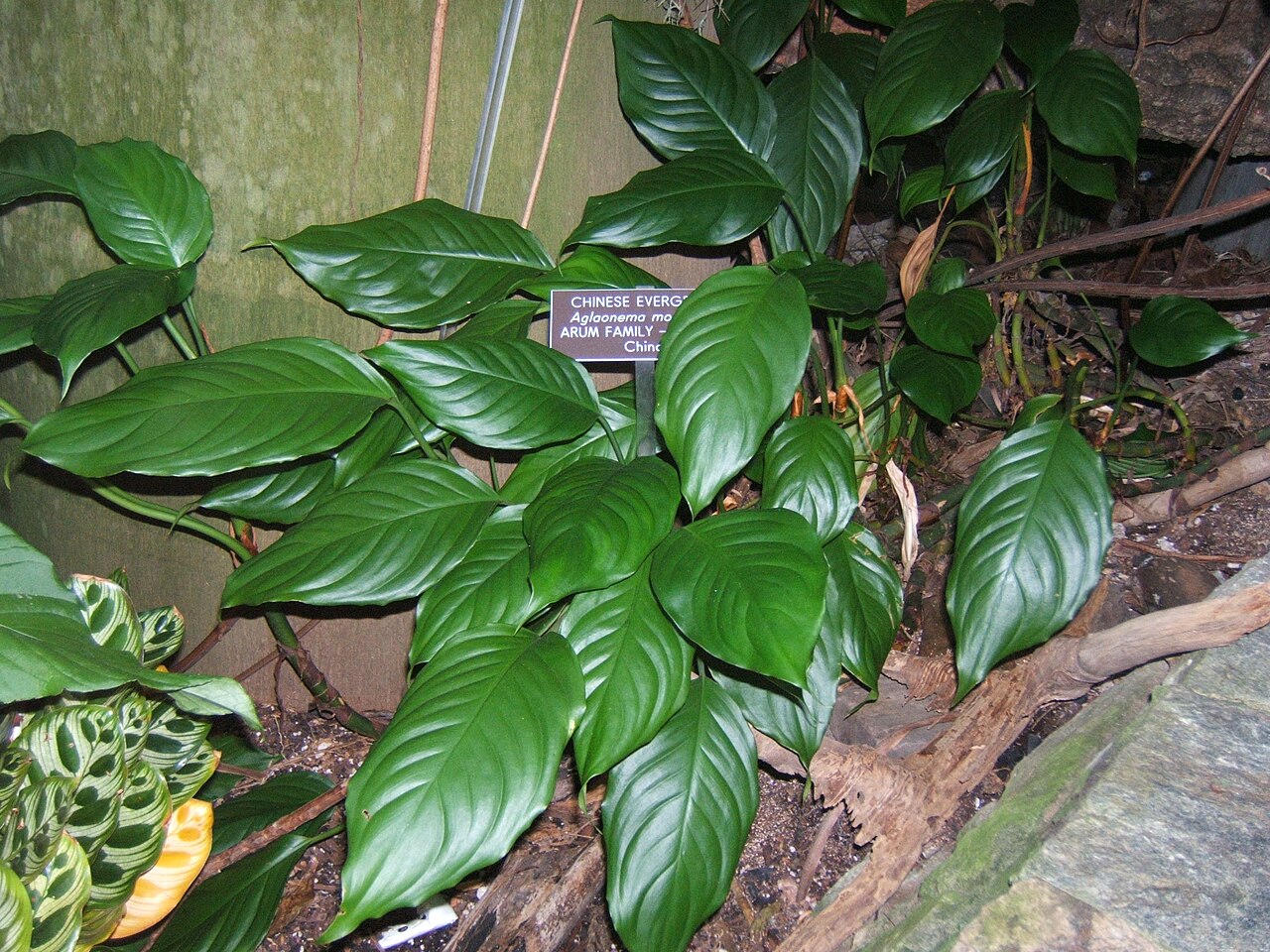
Chinese Evergreen is a popular indoor foliage plant known for its patterned leaves and tolerance of low light conditions. It contains insoluble calcium oxalate crystals that can cause irritation if ingested or chewed.
Potentially toxic for cats & dogs.
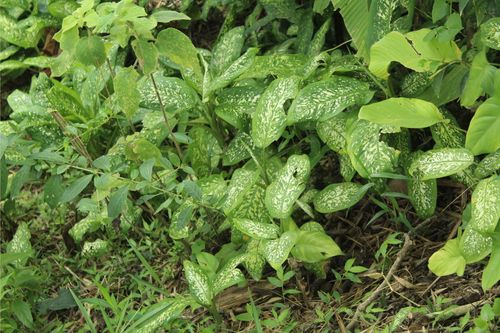
Dieffenbachia is a popular tropical houseplant known for its large, variegated leaves. It contains insoluble calcium oxalate crystals that can cause irritation if ingested or chewed.
Potentially toxic for cats & dogs.