Cats
Potentially toxicConsulted references classify the plant as toxic or irritating for that pet type.
Verified against ASPCA/provenance audit 2026-05-06 on May 6, 2026.
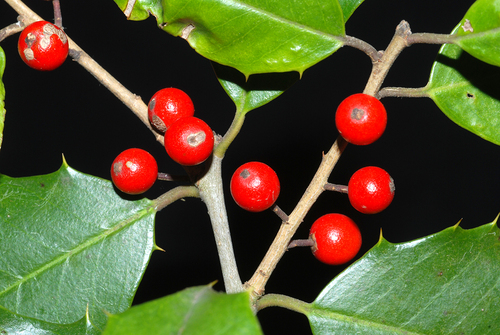
Ilex opaca
American Holly is an evergreen shrub or tree known for its spiny, glossy leaves and bright red berries. While ornamental, the plant contains compounds that can cause gastrointestinal distress if ingested by pets.
Safety status
Cats
Potentially toxicConsulted references classify the plant as toxic or irritating for that pet type.
Verified against ASPCA/provenance audit 2026-05-06 on May 6, 2026.
American Holly is toxic to cats per ASPCA. The saponins in leaves and berries cause stomach upset, and the spiny leaf edges can also nick a cat's mouth — meaning some discomfort comes from mechanical injury, not just the toxin itself.
Expect vomiting, diarrhea, and depression — ASPCA's three listed signs for cats. Drooling or pawing at the mouth can also appear from the spiny leaves. Energy and appetite typically drop while the GI tract clears.
ASPCA does not publish a precise window for holly — exact timing not well documented. Most owners see signs the same day; plan to monitor for 24–48 hours.
Call your vet or ASPCA Poison Control (888-426-4435) if vomiting persists, diarrhea is bloody or watery, your cat won't eat, or you saw multiple berries or leaves consumed. Sooner is better with kittens or small cats.
Sources: ASPCA (no first-aid guidance).
If a pet has chewed or swallowed plant material and is showing symptoms, contact a veterinarian or poison resource immediately. This product is for structured reference, not diagnosis.
Cats — concern notes
Common signs
Vomiting, diarrhea, and depression.
Escalation note
Ingestion of the leaves or berries typically results in mild to moderate gastrointestinal upset. Please contact your veterinarian if your cat has ingested any part of this plant.
Safer alternatives
No hand-picked alternatives for this plant yet. You can still pick your own using the Compare button on any other plant.
NC State Extension Plant Toolbox
botanical · 94% reliability
Ilex opaca is a native evergreen tree with spiny leaves and red berries that are toxic if ingested.
Yes, American Holly (Ilex opaca) is potentially toxic to cats. According to the ASPCA, ingestion of the leaves or berries typically causes mild to moderate gastrointestinal upset, including vomiting, diarrhea, and depression.
The three signs the ASPCA lists for cats are vomiting, diarrhea, and depression. Your cat may also drool or paw at its mouth from the spiny leaves. Appetite and energy levels typically drop while the GI tract clears, and most owners notice signs the same day.
Remove your cat from the plant and call your vet or the ASPCA Animal Poison Control Center at (888) 426-4435. Act sooner if your cat is a kitten or small in size, vomiting persists, diarrhea is bloody or watery, your cat won't eat, or you saw multiple berries or leaves consumed. Monitor for 24–48 hours, as the ASPCA does not document a precise onset window but most signs appear the same day.
Both parts are harmful. The berries can trigger vomiting, diarrhea, and depression if ingested, while the spiny leaves can additionally cause drooling or pawing at the mouth from physical irritation. Ingestion of either typically results in mild to moderate GI upset, but consuming multiple berries or leaves warrants a call to your vet.
Same cat verdict
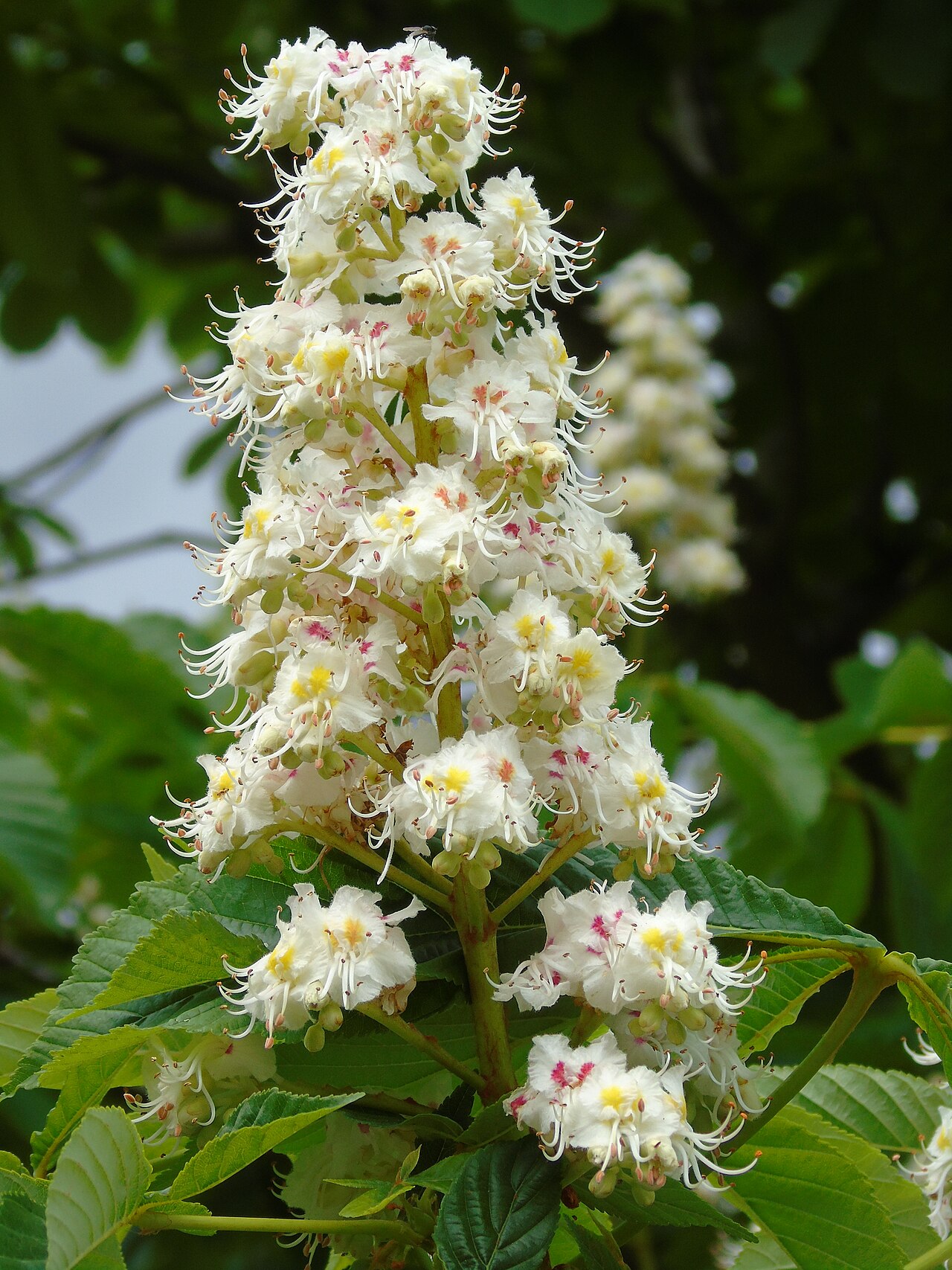
Buckeye trees and shrubs contain toxic glycosides and saponins that affect the gastrointestinal and nervous systems. All parts of the plant, especially the seeds and leaves, are considered poisonous if ingested.
Potentially toxic for cats & dogs.
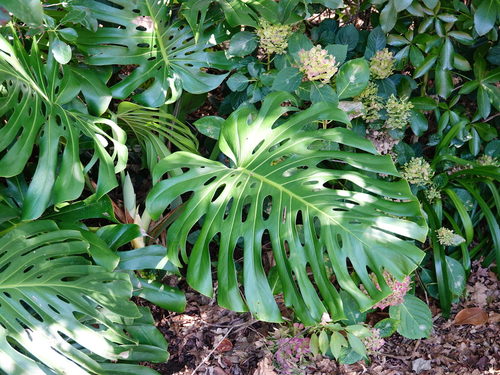
Monstera deliciosa is a popular tropical houseplant known for its large, fenestrated leaves and vining growth habit. It contains insoluble calcium oxalate crystals that can cause irritation if ingested by pets.
Potentially toxic for cats & dogs.
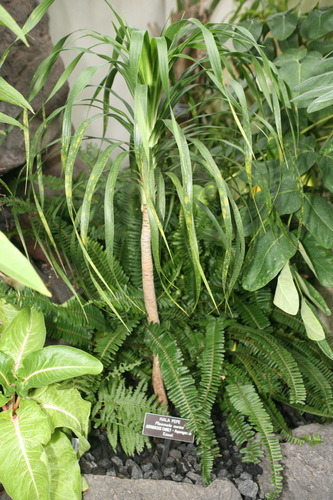
Dracaena trifasciata is a popular, hardy houseplant known for its stiff, sword-like leaves with striking yellow margins. It is widely appreciated for its air-purifying qualities and ability to thrive in various indoor conditions.
Potentially toxic for cats & dogs.
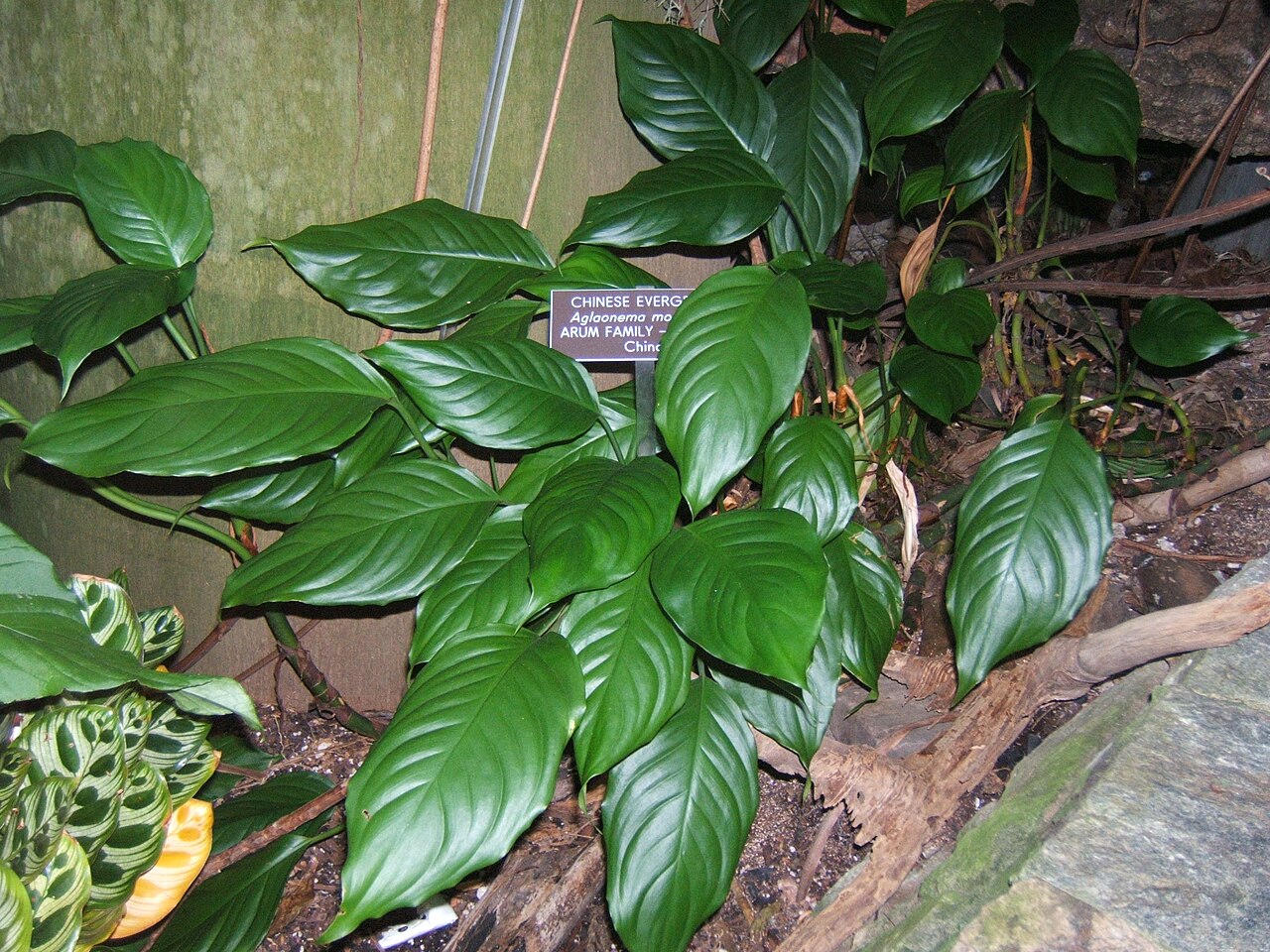
Chinese Evergreen is a popular indoor foliage plant known for its patterned leaves and tolerance of low light conditions. It contains insoluble calcium oxalate crystals that can cause irritation if ingested or chewed.
Potentially toxic for cats & dogs.