Dogs
Potentially toxicConsulted references classify the plant as toxic or irritating for that pet type.
Verified against ASPCA/provenance audit 2026-05-06 on May 6, 2026.
Sources
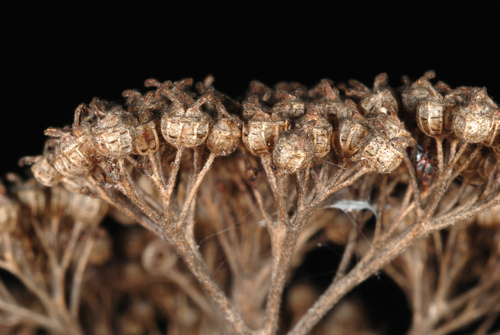
Hydrangea arborescens
Hydrangea arborescens is a deciduous shrub known for its large, rounded clusters of white flowers. It contains cyanogenic glycosides which can cause gastrointestinal distress if ingested by pets.
Safety status
Dogs
Potentially toxicConsulted references classify the plant as toxic or irritating for that pet type.
Verified against ASPCA/provenance audit 2026-05-06 on May 6, 2026.
Sources
Hydrangea arborescens is on the ASPCA toxic list because the leaves and flower buds contain cyanogenic glycosides. In practice, dogs that chew hydrangea almost always end up with vomiting and diarrhea — not full cyanide poisoning, which would require a much larger ingestion.
Most common: vomiting, diarrhea, and depression (lethargy, withdrawal). Possible: drooling, increased heart rate, mild abdominal pain. Rare: bright red gums, panting, or collapse — signs of true cyanide effect after a heavy ingestion.
Pet Poison Helpline: cyanide-type signs can appear within 15–20 minutes of a large ingestion. The much more common GI upset is typically self-limiting and resolves once the stomach clears.
Call immediately if you see weakness, bright red gums, panting, or rapid breathing — those can signal cyanide effect after a large dose. For mild GI signs, call if vomiting or diarrhea persists past a few hours or your dog can't keep water down.
Sources: ASPCA, Pet Poison Helpline.
If a pet has chewed or swallowed plant material and is showing symptoms, contact a veterinarian or poison resource immediately. This product is for structured reference, not diagnosis.
Dogs — concern notes
Common signs
Vomiting, diarrhea, increased heart rate, and potential depression.
Escalation note
While usually mild, ingestion can cause significant digestive irritation. Always consult a veterinarian if your dog shows signs of illness after exposure.
Safer alternatives
No hand-picked alternatives for this plant yet. You can still pick your own using the Compare button on any other plant.
ASPCA Toxic Plant List
toxicology · 99% reliability
Hydrangea arborescens is listed as toxic to both cats and dogs due to the presence of cyanogenic glycosides.
NC State Extension Plant Toolbox
botanical · 94% reliability
Hydrangea arborescens is a native shrub that is toxic if ingested by humans and pets.
Yes, smooth hydrangea (Hydrangea arborescens) is toxic to dogs. It contains cyanogenic glycosides that can cause vomiting, diarrhea, increased heart rate, and depression. Ingestion typically causes mild-to-moderate digestive irritation, though large doses carry a small risk of more serious effects.
The most common signs are vomiting, diarrhea, and lethargy or withdrawal. Your dog may also drool or show mild abdominal discomfort. In rare cases involving a large ingestion, watch for bright red gums, panting, or collapse — these can signal a cyanide-type effect and require immediate emergency care.
Call your vet or the ASPCA Animal Poison Control Center at (888) 426-4435 right away. Cyanide-type signs can appear within 15–20 minutes of a large ingestion, so don't wait to see if symptoms develop. For mild GI upset, contact your vet if vomiting or diarrhea persists beyond a few hours or your dog cannot keep water down.
Seek emergency care immediately if you notice weakness, bright red gums, panting, or rapid breathing — those signs can indicate a cyanide effect after a heavy dose. Routine vomiting and diarrhea are more common and usually self-limiting, but call your vet if symptoms persist or your dog seems unable to stay hydrated.
Same dog verdict
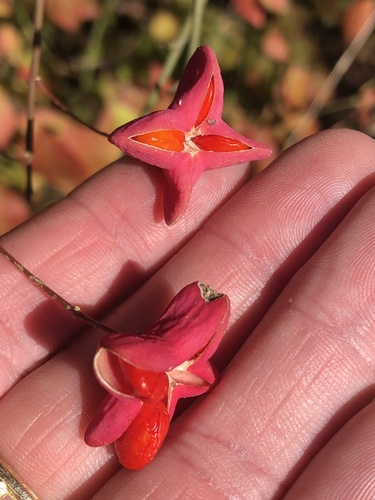
Euonymus atropurpurea is a deciduous shrub known for its vibrant fall foliage and deep red berries. It contains cardiac glycosides which can be harmful if ingested by pets.
Potentially toxic for cats & dogs.
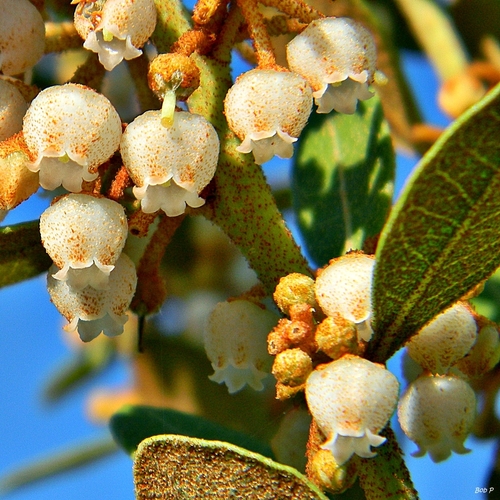
Maleberry is a deciduous shrub in the heath family known for its clusters of small, bell-shaped flowers. It contains grayanotoxins, which can cause significant illness if ingested by pets.
Potentially toxic for cats & dogs.
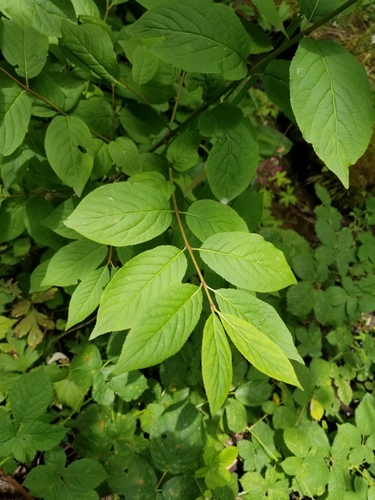
Euonymus occidentalis, commonly known as the Western burning bush or Wahoo, is a deciduous shrub containing cardiac glycosides that are harmful if ingested. It is best kept out of reach of all household pets.
Potentially toxic for cats & dogs.
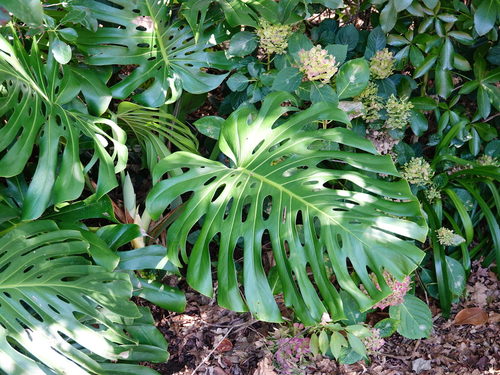
Monstera deliciosa is a popular tropical houseplant known for its large, fenestrated leaves and vining growth habit. It contains insoluble calcium oxalate crystals that can cause irritation if ingested by pets.
Potentially toxic for cats & dogs.