Cats
Generally safeConsulted references do not classify the plant as toxic for that pet type, while still allowing for mild GI upset if large amounts are chewed.
Verified against ASPCA/provenance audit 2026-05-06 on May 6, 2026.
Sources
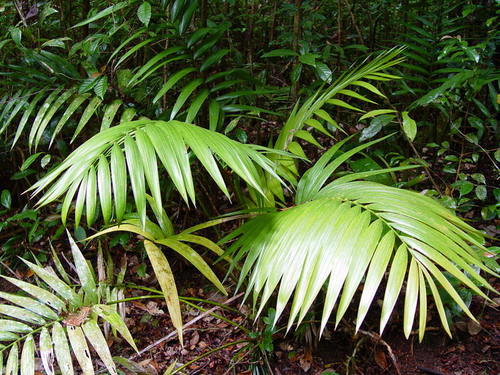
Howea forsteriana
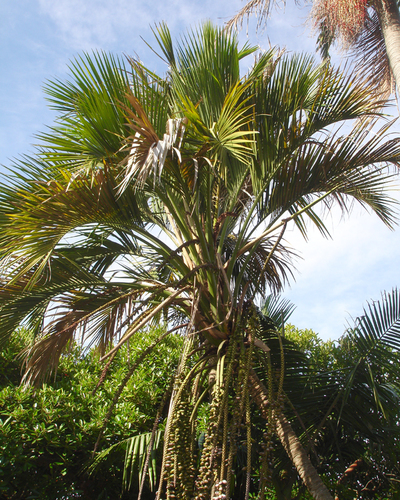
The Kentia Palm is an elegant, slow-growing indoor palm known for its arching fronds and adaptability to lower light conditions. It is widely considered one of the safest and most popular choices for pet-friendly households.
Safety status
Cats
Generally safeConsulted references do not classify the plant as toxic for that pet type, while still allowing for mild GI upset if large amounts are chewed.
Verified against ASPCA/provenance audit 2026-05-06 on May 6, 2026.
Sources
If a pet has chewed or swallowed plant material and is showing symptoms, contact a veterinarian or poison resource immediately. This product is for structured reference, not diagnosis.
Cats — concern notes
Common signs
None typically expected; however, ingestion of large amounts of fibrous plant material may cause mild gastrointestinal upset, such as vomiting or diarrhea.
Escalation note
This plant is considered non-toxic. If your cat consumes a significant amount of foliage and shows signs of distress, contact your veterinarian as a precaution.
Safer alternatives
No hand-picked alternatives for this plant yet. You can still pick your own using the Compare button on any other plant.
ASPCA Toxic Plant List
toxicology · 99% reliability
The Kentia Palm is listed as non-toxic to both cats and dogs.
Kew Plants of the World Online
botanical · 95% reliability
Accepted botanical record for Howea forsteriana.
No, Kentia Palm (Howea forsteriana) is considered non-toxic to cats. It is widely regarded as one of the safest indoor palms for pet-friendly households.
Ingesting small amounts is unlikely to cause any harm. If your cat eats a significant quantity of the fibrous fronds, mild gastrointestinal upset such as vomiting or diarrhea is possible due to the plant material itself, not any toxic compound.
Monitor your cat for signs of GI upset like vomiting, diarrhea, or lethargy. Because the plant is non-toxic, serious harm is not expected, but if symptoms persist or your cat seems distressed, contact your veterinarian as a precaution.
Non-toxic does not mean harmless in large quantities — the fibrous fronds can irritate your cat's digestive tract and cause vomiting or diarrhea if eaten in significant amounts. It is still best to discourage chewing on the plant.
Same growing conditions
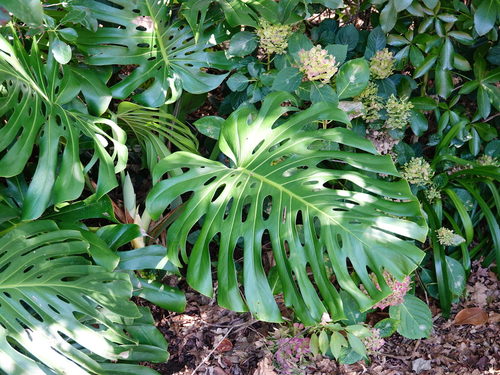
Monstera deliciosa is a popular tropical houseplant known for its large, fenestrated leaves and vining growth habit. It contains insoluble calcium oxalate crystals that can cause irritation if ingested by pets.
Potentially toxic for cats & dogs.
The Money Tree is a popular indoor plant known for its braided trunk and palm-like leaves, often associated with good luck and prosperity in home decor.
Generally safe for cats & dogs.
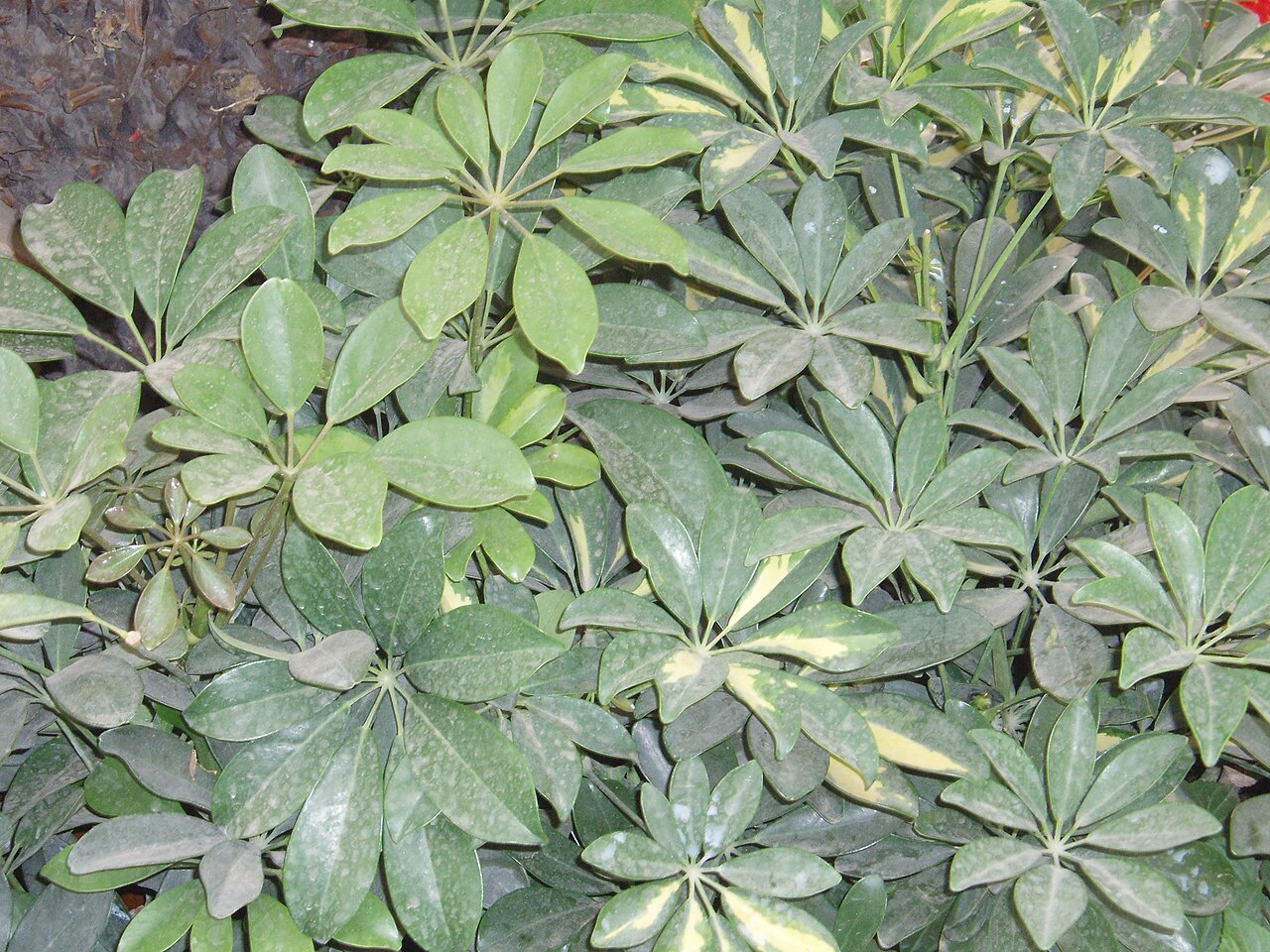
Schefflera is a popular tropical houseplant known for its glossy, palm-like leaflets arranged in a circular pattern. It contains insoluble calcium oxalate crystals that can cause irritation upon ingestion.
Potentially toxic for cats & dogs.
Aechmea magdalenae is a species of bromeliad known for its large, spiny leaves and striking inflorescence. While many bromeliads are considered non-toxic, the physical structure of this plant poses mechanical injury risks to pets.
Generally safe for cats & dogs.