Cats
Potentially toxicConsulted references classify the plant as toxic or irritating for that pet type.
Verified against ASPCA/provenance audit 2026-05-06 on May 6, 2026.
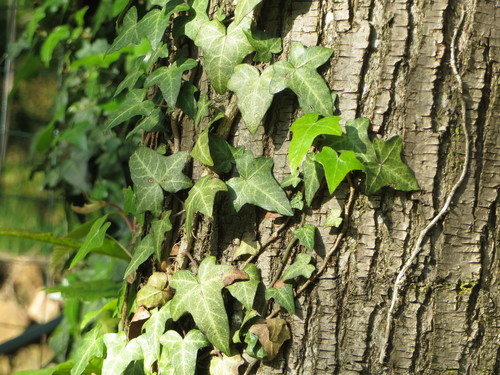
Hedera helix
English Ivy is a popular evergreen climbing vine often grown as a houseplant or groundcover. It contains triterpenoid saponins which can cause irritation if ingested by pets.
Safety status
Cats
Potentially toxicConsulted references classify the plant as toxic or irritating for that pet type.
Verified against ASPCA/provenance audit 2026-05-06 on May 6, 2026.
Cats that chew English ivy usually get drool, vomiting, and a sore stomach. The leaves contain triterpenoid saponins, and Pet Poison Helpline notes the foliage is actually more toxic than the berries. Most cases are GI irritation, not systemic poisoning — but persistent vomiting or refusal to eat is the line where you stop watching and call.
Drooling and hypersalivation. Vomiting (often the first sign). Diarrhea. Abdominal pain — your cat may hunch, hide, or be reluctant to be picked up. Reduced appetite.
Drooling and vomiting typically appear within a few hours of ingestion. Most cats recover within 24 hours; exact onset and duration are not well documented in the cited sources.
Call your vet or ASPCA Poison Control at (888) 426-4435 if vomiting persists more than a few hours, your cat refuses food or water, or you see signs of belly pain.
Sources: ASPCA, Pet Poison Helpline (no first-aid guidance).
If a pet has chewed or swallowed plant material and is showing symptoms, contact a veterinarian or poison resource immediately. This product is for structured reference, not diagnosis.
Cats — concern notes
Common signs
Vomiting, abdominal pain, hypersalivation, and diarrhea.
Escalation note
Ingestion typically results in gastrointestinal distress. Please contact your veterinarian if you suspect your cat has consumed this plant.
Safer alternatives
Some links earn us a small commission. They never affect our safety classifications.
Yes, English Ivy (Hedera helix) is toxic to cats. It contains triterpenoid saponins that cause gastrointestinal irritation when ingested.
Expect drooling, vomiting, diarrhea, and abdominal pain. Your cat may hunch, hide, or resist being picked up. Drooling and vomiting are typically the first signs and usually appear within a few hours of ingestion.
Remove your cat from the plant and watch for vomiting, drooling, and signs of belly pain. Call your vet or the ASPCA Animal Poison Control Center at (888) 426-4435 if vomiting persists more than a few hours, your cat refuses food or water, or you notice abdominal pain. Most cats recover within 24 hours.
The toxic triterpenoid saponins are present throughout the plant. No single part is documented as significantly more dangerous than another, so any ingestion — leaves, stems, or berries — warrants monitoring.
Same cat verdict
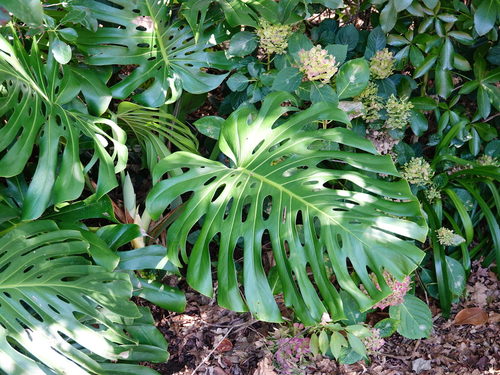
Monstera deliciosa is a popular tropical houseplant known for its large, fenestrated leaves and vining growth habit. It contains insoluble calcium oxalate crystals that can cause irritation if ingested by pets.
Potentially toxic for cats & dogs.
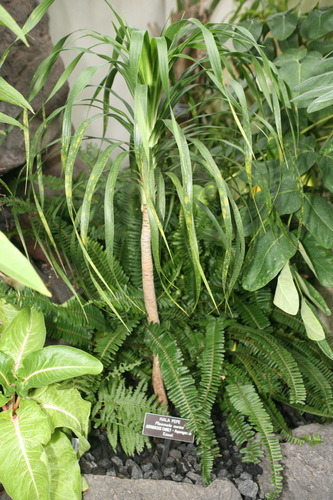
Dracaena trifasciata is a popular, hardy houseplant known for its stiff, sword-like leaves with striking yellow margins. It is widely appreciated for its air-purifying qualities and ability to thrive in various indoor conditions.
Potentially toxic for cats & dogs.
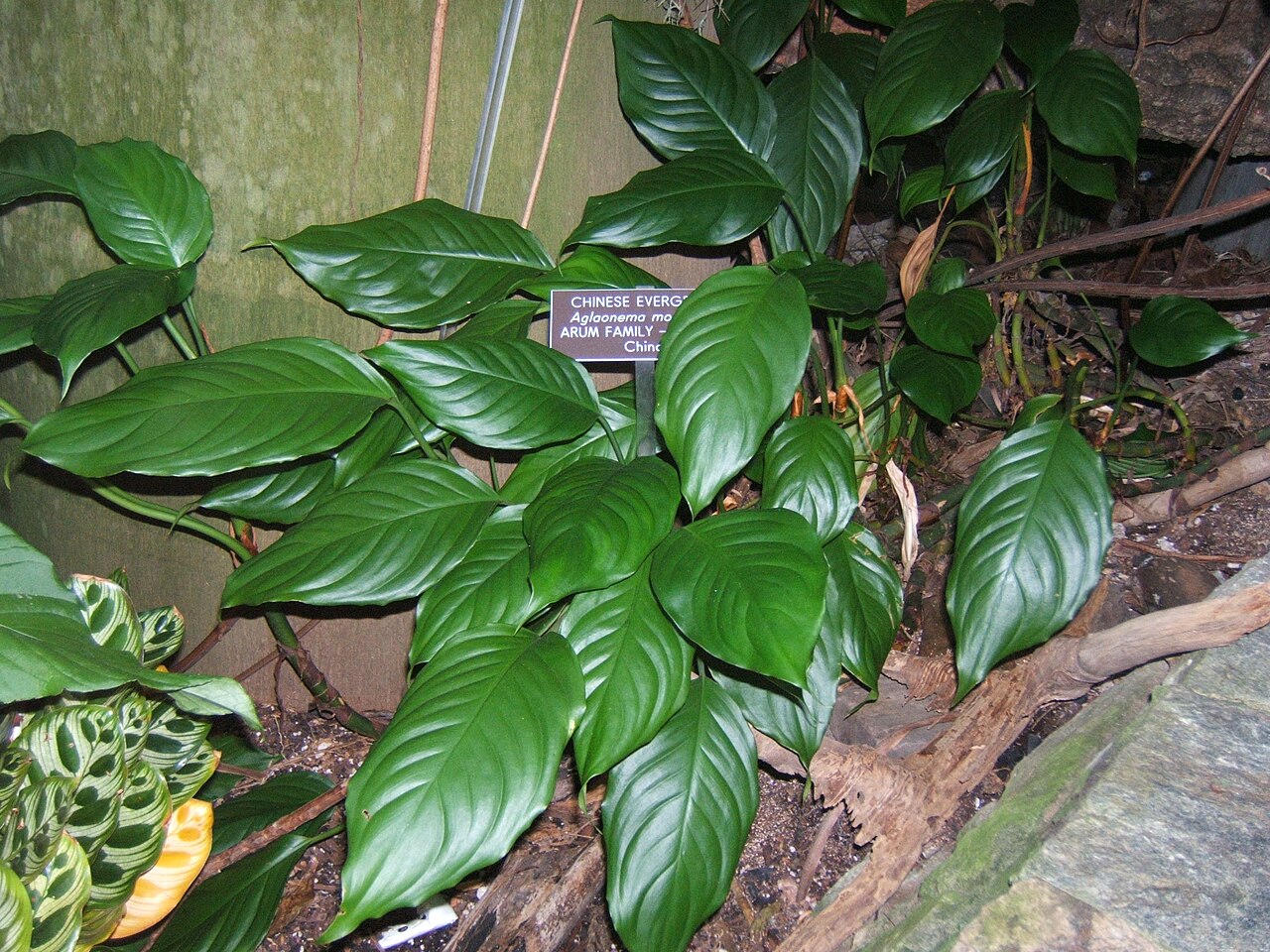
Chinese Evergreen is a popular indoor foliage plant known for its patterned leaves and tolerance of low light conditions. It contains insoluble calcium oxalate crystals that can cause irritation if ingested or chewed.
Potentially toxic for cats & dogs.
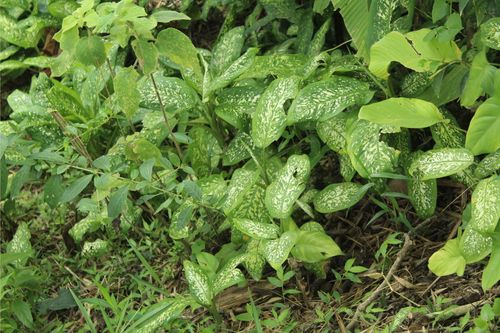
Dieffenbachia is a popular tropical houseplant known for its large, variegated leaves. It contains insoluble calcium oxalate crystals that can cause irritation if ingested or chewed.
Potentially toxic for cats & dogs.