Cats & Dogs
Generally safeConsulted references do not classify the plant as toxic for that pet type, while still allowing for mild GI upset if large amounts are chewed.
Verified against ASPCA/provenance audit 2026-05-06 on May 6, 2026.
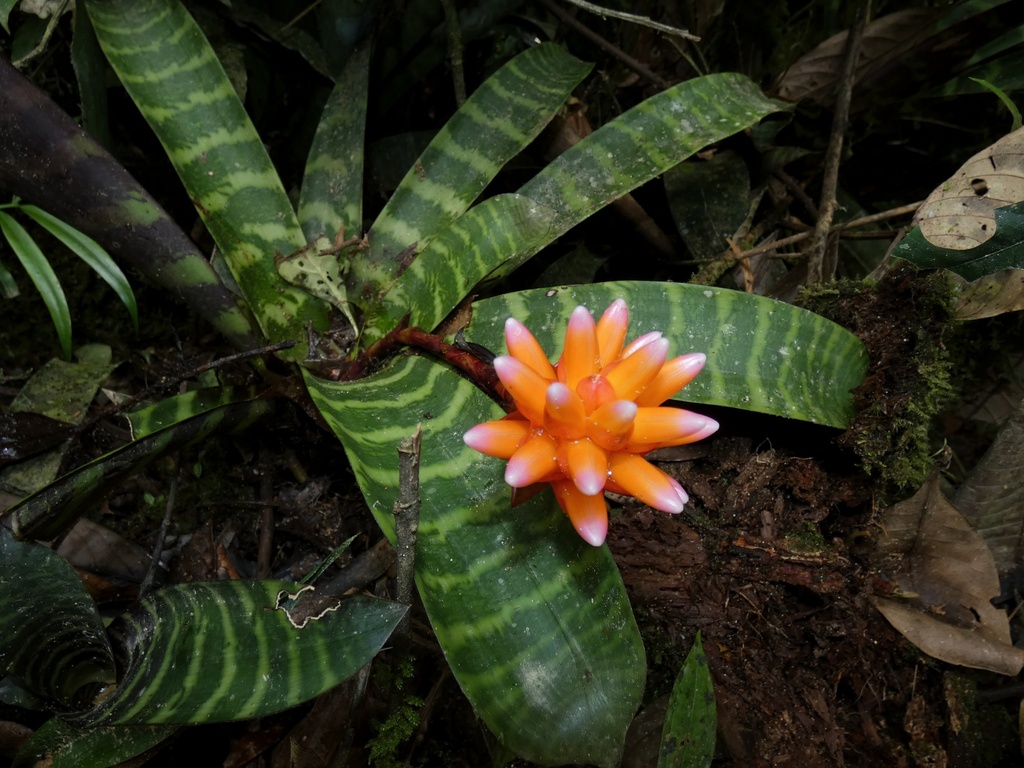
Guzmania musaica
The Mosaic Vase is a striking bromeliad known for its patterned, strap-like foliage and vibrant, long-lasting inflorescence. It is a popular, low-maintenance houseplant that thrives in warm, humid indoor environments.
Safety status
Cats & Dogs
Generally safeConsulted references do not classify the plant as toxic for that pet type, while still allowing for mild GI upset if large amounts are chewed.
Verified against ASPCA/provenance audit 2026-05-06 on May 6, 2026.
If a pet has chewed or swallowed plant material and is showing symptoms, contact a veterinarian or poison resource immediately. This product is for structured reference, not diagnosis.
Cats — concern notes
Common signs
Generally none; however, ingestion of large amounts of fibrous plant material may cause mild gastrointestinal upset such as vomiting or diarrhea.
Escalation note
Considered non-toxic. If your cat consumes a significant portion of the plant and shows persistent digestive distress, contact your veterinarian.
Dogs — concern notes
Common signs
Generally none; however, ingestion of large amounts of fibrous plant material may cause mild gastrointestinal upset such as vomiting or diarrhea.
Escalation note
Considered non-toxic. If your dog consumes a significant portion of the plant and shows persistent digestive distress, contact your veterinarian.
Bring it home
Mosaic Vaseis generally pet-safe in ordinary household exposure. If you’d like one for your space, here’s a starting point.
Shop on AmazonSome links earn us a small commission. They never affect our safety classifications.
ASPCA Toxic and Non-Toxic Plants List
toxicology · 99% reliability
Mosaic Vase (Guzmania musaica) is listed as non-toxic to both cats and dogs.
Kew Plants of the World Online: Guzmania musaica
botanical · 95% reliability
Accepted botanical name and taxonomic classification for Guzmania musaica.
The Mosaic Vase is considered non-toxic to cats according to provenance data verified against the ASPCA registry. It is generally safe to have in a home with cats, though non-toxic does not mean harmless in large quantities.
Ingesting small amounts is unlikely to cause any reaction, but eating a significant amount of the fibrous leaves may cause mild gastrointestinal upset — vomiting or diarrhea — due to the plant's tough, fibrous material rather than any chemical toxin.
Only large ingestions of the fibrous plant material are associated with any digestive distress; nibbling a leaf or two is not expected to cause symptoms. There is no documented toxic dose because the plant contains no known toxins — any upset would be purely mechanical from the fiber.
A small nibble is not a cause for alarm. Monitor your cat for vomiting, diarrhea, or lethargy; mild GI signs from eating a large amount should resolve on their own, but if symptoms are persistent or severe, contact your veterinarian.
No, the Mosaic Vase is considered non-toxic to dogs according to ASPCA provenance data. It is generally safe to have in a home with dogs, though non-toxic does not mean harmless in large quantities.
Ingesting small amounts is unlikely to cause any reaction, but consuming large amounts of the fibrous plant material may lead to mild gastrointestinal upset such as vomiting or diarrhea.
Monitor your dog for vomiting, diarrhea, or persistent digestive distress. If symptoms continue or your dog consumed a significant portion of the plant, contact your veterinarian for guidance.
The fibrous, strap-like leaves are the most likely culprit for GI upset if eaten in quantity — not because of any toxic compound, but because the plant material itself is difficult to digest in large amounts.
Same genus
Same safety verdict
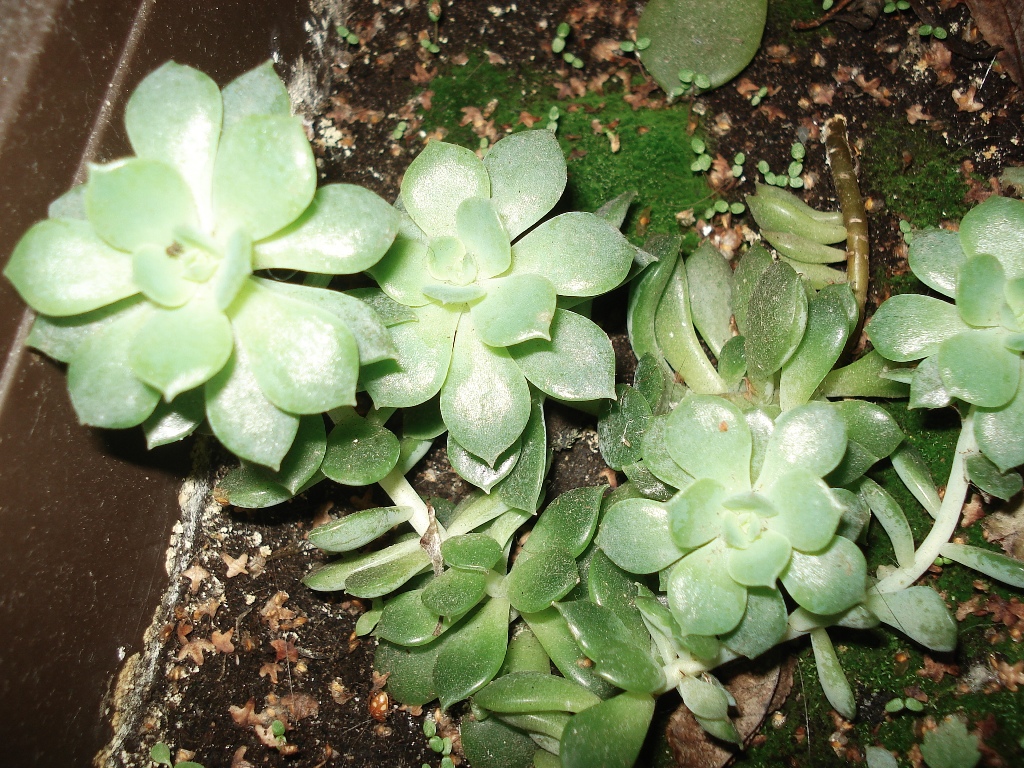
Echeveria is a popular, rosette-forming succulent known for its fleshy, architectural leaves and ease of care. It is considered non-toxic to pets, though ingestion of large amounts of fibrous plant material may cause minor digestive discomfort.
Generally safe for cats & dogs.
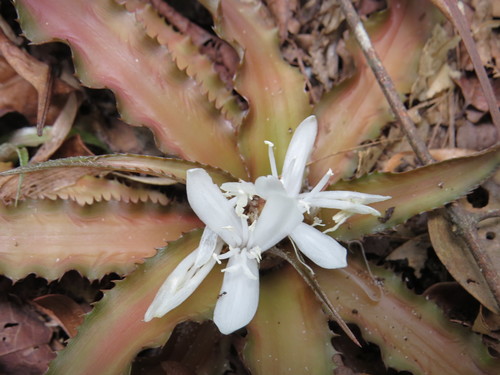
Silver Star is a low-growing, terrestrial bromeliad known for its striking, wavy-edged foliage that forms a star-like rosette. It is considered a safe, non-toxic houseplant for households with pets.
Generally safe for cats & dogs.
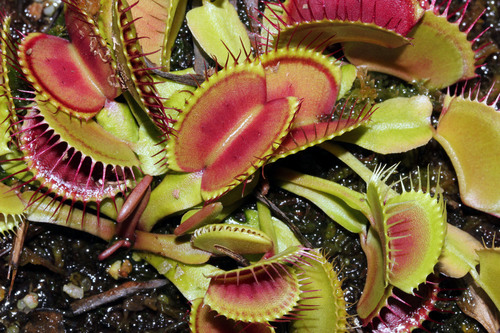
The Venus Fly Trap is a unique carnivorous plant native to the wetlands of the Carolinas, known for its specialized snap-trap leaves. It is considered safe for pets, though its fibrous structure may cause minor digestive upset if consumed in large quantities.
Generally safe for cats & dogs.

Cushion Aloe is a compact, succulent plant known for its rosette-forming leaves and low-maintenance nature. It is generally considered safe for household pets, though ingestion of large amounts of plant material may cause minor digestive discomfort.
Generally safe for cats & dogs.
Same growing conditions
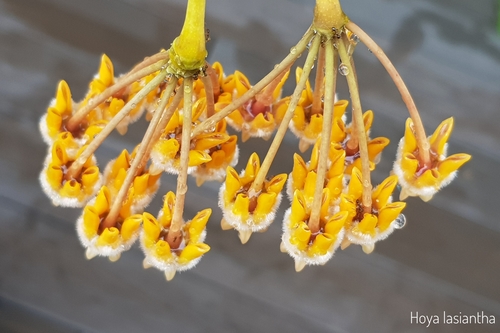
Hoya is a popular, low-maintenance trailing houseplant known for its waxy, succulent-like leaves and fragrant clusters of star-shaped flowers. It is considered safe for households with pets, though ingestion of large amounts of plant material may cause minor digestive discomfort.
Not yet rated for cats.
Not yet rated for dogs.
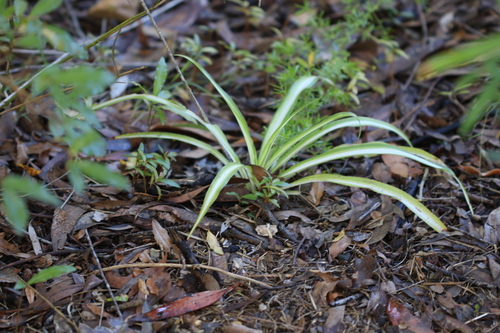
The spider plant is a popular, easy-to-care-for houseplant known for its arching, grass-like foliage and trailing plantlets. It is widely considered safe for households with pets, though large ingestions of fibrous material may occasionally cause mild digestive upset.
Generally safe for cats & dogs.
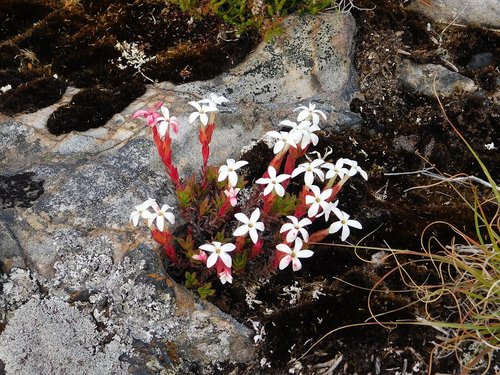
The Jade Plant is a popular succulent known for its thick, woody stems and fleshy, oval-shaped leaves. While aesthetically pleasing, it contains compounds that can cause gastrointestinal distress if ingested by pets.
Potentially toxic for cats & dogs.
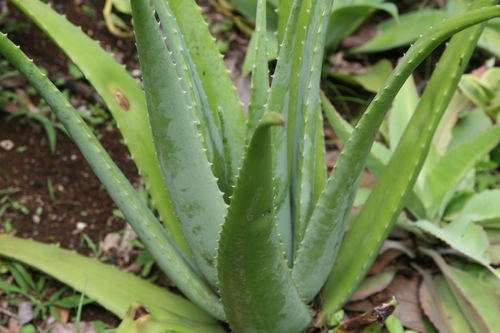
Aloe vera is a popular succulent known for its medicinal gel, but it contains compounds that can cause digestive distress if ingested by pets. It is widely grown as a houseplant for its architectural foliage and low-maintenance care requirements.
Potentially toxic for cats & dogs.