Cats
Potentially toxicConsulted references classify the plant as toxic or irritating for that pet type.
Verified against ASPCA/provenance audit 2026-05-06 on May 6, 2026.
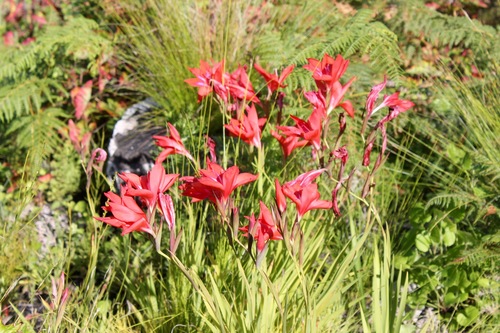
Gladiolus species
Gladiolus is a popular flowering bulb known for its tall, sword-shaped leaves and vibrant, funnel-shaped blooms. While prized for its beauty in gardens and bouquets, all parts of the plant, particularly the corm, contain compounds that are harmful if ingested by pets.
Safety status
Cats
Potentially toxicConsulted references classify the plant as toxic or irritating for that pet type.
Verified against ASPCA/provenance audit 2026-05-06 on May 6, 2026.
Cats that nibble Gladiola usually get the brunt of the toxin from the corm (bulb), which is the most concentrated part of the plant. ASPCA classifies it as toxic; most exposures cause drooling and GI upset, though larger ingestions of the bulb can be more serious.
Drooling and vomiting are the most common signs, followed by diarrhea and lethargy. ASPCA does not specify a toxic dose, but the severity tends to scale with how much corm tissue was eaten.
ASPCA does not publish onset or duration; signs typically appear within hours of ingestion.
Call ASPCA Poison Control or your veterinarian if vomiting or drooling persists for more than a couple of hours, your cat refuses food, or you know your cat chewed on a corm rather than just a leaf.
Sources: ASPCA (no first-aid guidance).
If a pet has chewed or swallowed plant material and is showing symptoms, contact a veterinarian or poison resource immediately. This product is for structured reference, not diagnosis.
Cats — concern notes
Common signs
Salivation, vomiting, diarrhea, and lethargy.
Escalation note
Ingestion can cause gastrointestinal distress. Please contact your veterinarian or a pet poison control center if you suspect your cat has consumed any part of this plant.
Safer alternatives
No hand-picked alternatives for this plant yet. You can still pick your own using the Compare button on any other plant.
NC State Extension Plant Toolbox
botanical · 94% reliability
Gladiolus species are perennial cormous plants in the Iridaceae family, noted for their showy, spike-like inflorescences.
Yes, gladiolus is toxic to cats. All parts of the plant are harmful if ingested, with the corm (bulb) considered the most dangerous portion.
Signs include salivation, vomiting, diarrhea, and lethargy. Drooling and vomiting are the most common early signs, and severity tends to scale with how much corm tissue was eaten. Symptoms typically appear within hours of ingestion.
Call ASPCA Animal Poison Control at (888) 426-4435 or your veterinarian immediately. Seek care right away if your cat chewed on a corm rather than just a leaf, if vomiting or drooling persists for more than a couple of hours, or if your cat refuses food.
Yes, the corm (bulb) is the most toxic part of the gladiolus plant. While all parts can cause gastrointestinal distress, severity is specifically noted to scale with how much corm tissue was consumed.
Same cat verdict
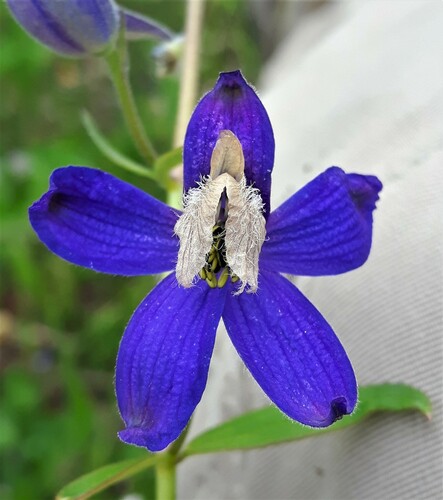
Larkspur is a popular garden perennial known for its tall, showy spikes of flowers. It contains potent alkaloids that make it highly toxic to both cats and dogs if ingested.
Potentially toxic for cats & dogs.
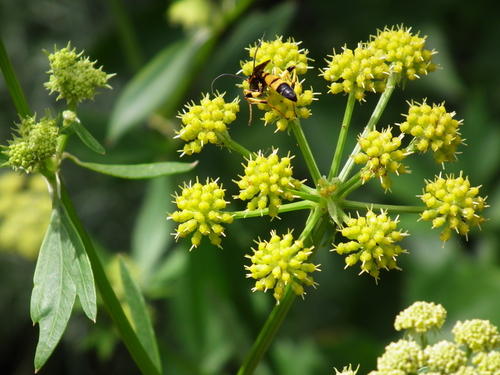
Lovage is a tall, perennial herb in the Apiaceae family often grown for its culinary uses, but it contains compounds that can cause adverse reactions in pets. It is best kept out of reach of curious cats and dogs.
Potentially toxic for cats & dogs.
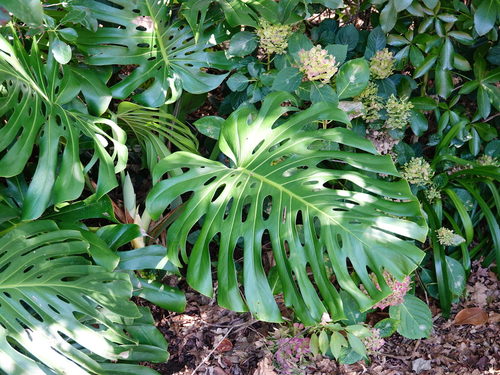
Monstera deliciosa is a popular tropical houseplant known for its large, fenestrated leaves and vining growth habit. It contains insoluble calcium oxalate crystals that can cause irritation if ingested by pets.
Potentially toxic for cats & dogs.
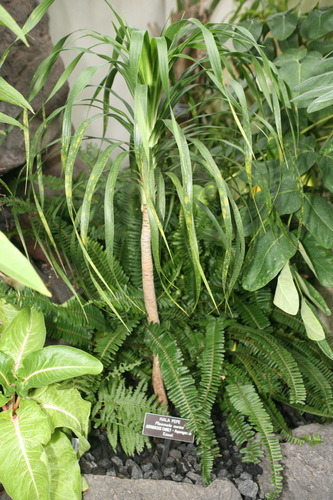
Dracaena trifasciata is a popular, hardy houseplant known for its stiff, sword-like leaves with striking yellow margins. It is widely appreciated for its air-purifying qualities and ability to thrive in various indoor conditions.
Potentially toxic for cats & dogs.