Dogs
Potentially toxicConsulted references classify the plant as toxic or irritating for that pet type.
Verified against ASPCA/provenance audit 2026-05-06 on May 6, 2026.
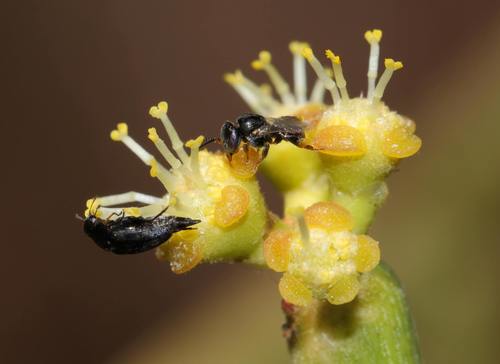
Euphorbia tirucalli
The Pencil Cactus is a succulent shrub known for its pencil-thin, leafless branches that contain a highly irritating milky white sap. It is widely recognized for its ornamental value but requires careful handling due to its toxic properties.
Safety status
Dogs
Potentially toxicConsulted references classify the plant as toxic or irritating for that pet type.
Verified against ASPCA/provenance audit 2026-05-06 on May 6, 2026.
Dogs that nibble a pencil cactus get a fast lesson in why euphorbias are loaded with milky sap. ASPCA characterizes the systemic toxicity as 'over-rated' — most exposures are mouth-only — but the sap is a strong skin and eye irritant, and a dog that paws a sap-covered face can quickly transfer it to the eye.
Drooling, oral pain, and vomiting are typical. Skin contact produces a painful rash; sap in the eye causes redness, swelling, squinting, or — per Pet Poison Helpline — temporary blindness.
Oral signs appear within minutes; mild oral irritation typically resolves within 12-24 hours. Eye and skin reactions can take several days to settle.
Call right away if your dog is squinting, holding an eye closed, or has facial swelling or redness. Call same-day for persistent drooling, refusal to eat, or repeated vomiting.
Per Pet Poison Helpline, rinse the dog's mouth with water and offer fluids after oral exposure. If sap contacts the eye, flush immediately with water or saline and head to the vet; rinse skin contact areas with mild soap and water.
Sources: ASPCA, Pet Poison Helpline.
If a pet has chewed or swallowed plant material and is showing symptoms, contact a veterinarian or poison resource immediately. This product is for structured reference, not diagnosis.
Dogs — concern notes
Common signs
Drooling, oral pain, vomiting, and skin or eye inflammation upon contact with the sap.
Escalation note
The sap can cause significant irritation to the mouth and digestive tract. Seek veterinary care if your dog has chewed on or been exposed to the sap of this plant.
Safer alternatives
No hand-picked alternatives for this plant yet. You can still pick your own using the Compare button on any other plant.
Yes, pencil cactus (Euphorbia tirucalli) is toxic to dogs. The milky white sap inside its pencil-thin branches causes drooling, oral pain, vomiting, and skin or eye inflammation on contact. Seek veterinary care if your dog has chewed on or been exposed to the sap.
Chewing on a pencil cactus releases an irritating sap that causes immediate oral pain, drooling, and vomiting in dogs. Oral signs appear within minutes. Rinse your dog's mouth with water and offer fluids; call your vet same-day if drooling persists, your dog refuses to eat, or vomiting continues.
Sap that contacts a dog's eye can cause redness, swelling, squinting, and — per Pet Poison Helpline — temporary blindness. If sap gets in your dog's eye, flush immediately with water or saline and go to the vet right away, especially if your dog is squinting or holding the eye closed.
For mouth contact, rinse your dog's mouth with water and offer fluids. For skin contact, wash the area with mild soap and water. For eye exposure, flush immediately with water or saline and head to the vet. Call the ASPCA Animal Poison Control at (888) 426-4435 or your vet right away if you see facial swelling, persistent drooling, or eye irritation.
Same dog verdict
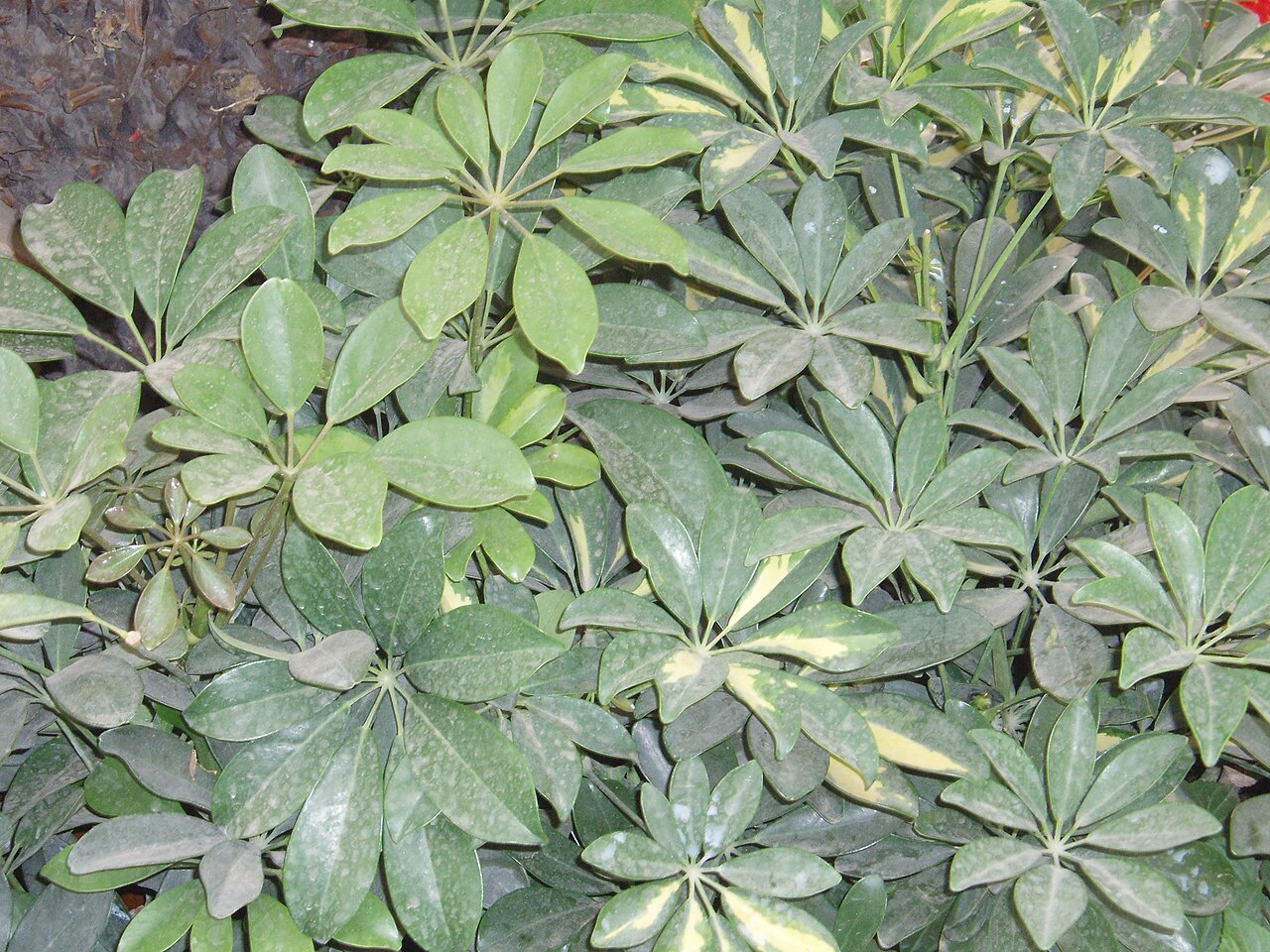
Schefflera is a popular tropical houseplant known for its glossy, palm-like leaflets arranged in a circular pattern. It contains insoluble calcium oxalate crystals that can cause irritation upon ingestion.
Potentially toxic for cats & dogs.
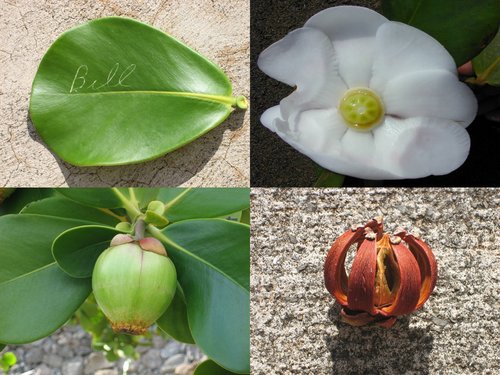
Clusia major is a tropical evergreen shrub known for its thick, leathery leaves and unique ability to grow as an epiphyte. It is commonly kept as a houseplant for its architectural foliage, but it contains compounds that can cause irritation if ingested by pets.
Potentially toxic for cats & dogs.
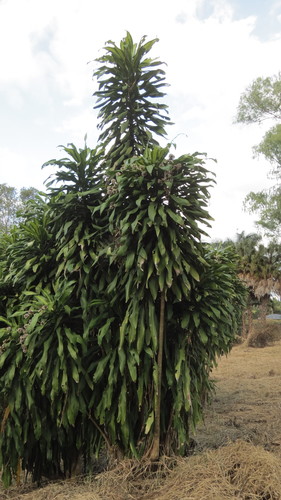
The Corn Plant is a popular indoor shrub known for its long, arching, sword-like leaves that resemble corn stalks. While aesthetically pleasing, it contains saponins that can cause adverse reactions if ingested by pets.
Potentially toxic for cats & dogs.
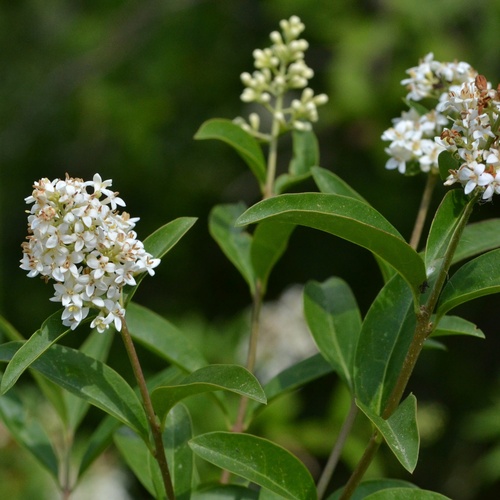
Common Privet is a semi-evergreen shrub often used for hedging that contains toxic compounds throughout the plant, particularly in the berries and leaves. Ingestion can lead to significant gastrointestinal distress in household pets.
Potentially toxic for cats & dogs.