Compare

Wahoo vs. Eastern Wahoo: which is safe for cats and dogs?

Wahoo and Eastern Wahoo are frequently confused by gardeners and pet owners alike because both shrubs share the common name wahoo. It is important to note that both of these plants are potentially toxic to your household pets. Whether you are considering the Western burning bush or its eastern relative, both species contain cardiac glycosides that can cause significant gastrointestinal distress and systemic health issues if ingested by cats or dogs. Because both varieties present similar risks to your animals, it is best to keep both plants entirely out of reach of your pets to ensure their safety and well-being at home.

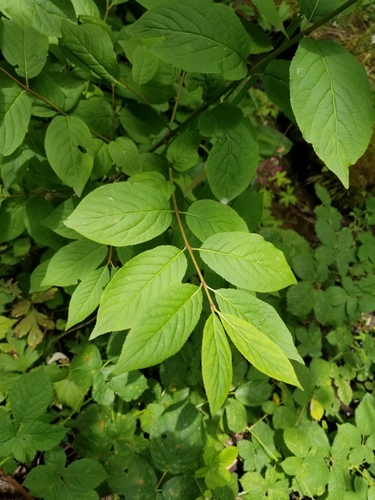
Wahoo

Euonymus occidentalis

Euonymus occidentalis, commonly known as the Western burning bush or Wahoo, is a deciduous shrub containing cardiac glycosides that are harmful if ingested. It is best kept out of reach of all household pets.

cat

Potentially toxic

Consulted references classify the plant as toxic or irritating for that pet type.

Watch for

Vomiting, diarrhea, lethargy, and potential cardiac irregularities.

dog

Potentially toxic

Consulted references classify the plant as toxic or irritating for that pet type.

Watch for

Vomiting, diarrhea, abdominal pain, and potential heart rate changes.
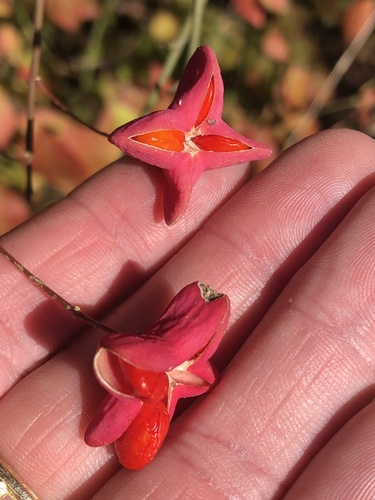
Eastern Wahoo

Euonymus atropurpurea

Euonymus atropurpurea is a deciduous shrub known for its vibrant fall foliage and deep red berries. It contains cardiac glycosides which can be harmful if ingested by pets.

cat

Potentially toxic

Consulted references classify the plant as toxic or irritating for that pet type.

Watch for

Vomiting, diarrhea, abdominal pain, and potential cardiac arrhythmias.

dog

Potentially toxic

Consulted references classify the plant as toxic or irritating for that pet type.

Watch for

Vomiting, diarrhea, lethargy, and potential cardiac irregularities.