Cats
Potentially toxicConsulted references classify the plant as toxic or irritating for that pet type.
Verified against ASPCA/provenance audit 2026-05-06 on May 6, 2026.
Sources
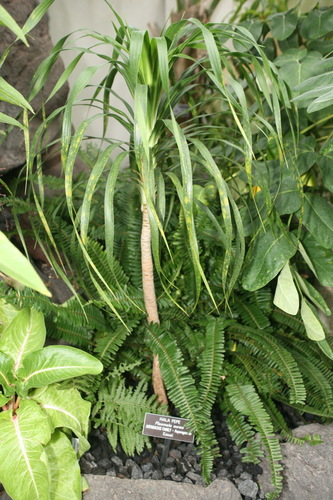
Dracaena marginata
The Madagascar Dragon Tree is a popular, slow-growing indoor plant known for its slender, woody stems and spiky, colorful foliage. It contains saponins, which can cause gastrointestinal distress if ingested by pets.
Safety status
Cats
Potentially toxicConsulted references classify the plant as toxic or irritating for that pet type.
Verified against ASPCA/provenance audit 2026-05-06 on May 6, 2026.
Sources
The Madagascar Dragon Tree shares the saponin toxin found across the Dracaena genus. In cats, ingestion classically produces hypersalivation and dilated pupils alongside the GI signs — a pattern that does not show up in dogs.
Vomiting (sometimes with blood), drooling, loss of appetite, and depression are the leading signs. Dilated pupils are characteristic in cats and warrant prompt evaluation; larger ingestions can also bring on weakness or unsteadiness.
Onset is generally within a few hours of ingestion; mild cases tend to resolve within 12–24 hours with supportive care, though exact timing is not well documented.
Call your vet or ASPCA Animal Poison Control (888-426-4435) if vomiting persists, contains blood, your cat seems lethargic or weak, or you notice dilated pupils.
Sources: ASPCA (no first-aid guidance).
If a pet has chewed or swallowed plant material and is showing symptoms, contact a veterinarian or poison resource immediately. This product is for structured reference, not diagnosis.
Cats — concern notes
Common signs
Vomiting (sometimes with blood), depression, anorexia, hypersalivation, and dilated pupils.
Escalation note
Ingestion can lead to significant discomfort. Please contact your veterinarian or a pet poison control center immediately if you suspect your cat has ingested any part of this plant.
Safer alternatives
Some links earn us a small commission. They never affect our safety classifications.
ASPCA Toxic Plant List
toxicology · 99% reliability
Dracaena marginata contains saponins which can cause vomiting, depression, anorexia, hypersalivation and dilated pupils in cats and dogs.
NC State Extension Plant Toolbox
botanical · 94% reliability
Dracaena marginata is a popular houseplant that is toxic to cats and dogs if ingested.
Yes, Dragon Tree (Dracaena marginata) is toxic to cats. It contains saponins that cause gastrointestinal distress and other symptoms when ingested, so it should be kept out of reach of cats.
Cats that eat Dragon Tree may show vomiting (sometimes with blood), hypersalivation, loss of appetite, depression, and dilated pupils. Dilated pupils are particularly characteristic in cats and warrant prompt veterinary evaluation.
Call your vet or the ASPCA Animal Poison Control Center at (888) 426-4435 right away. Seek immediate help if your cat is vomiting persistently or with blood, appears lethargic or weak, or has dilated pupils.
Symptoms generally appear within a few hours of ingestion. Mild cases may resolve within 12–24 hours with supportive care, though exact timing is not well documented; monitor closely and contact your vet if symptoms worsen or persist.
Same cat verdict
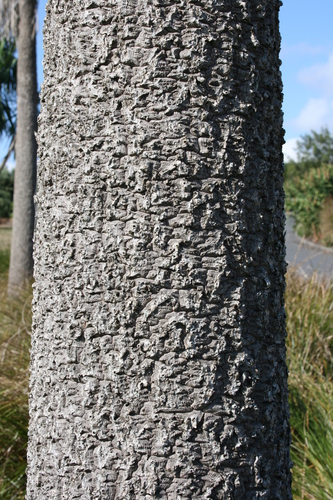
Cordyline australis is a popular ornamental plant known for its palm-like appearance and sword-shaped leaves. It contains saponins which can cause gastrointestinal distress if ingested by pets.
Potentially toxic for cats & dogs.
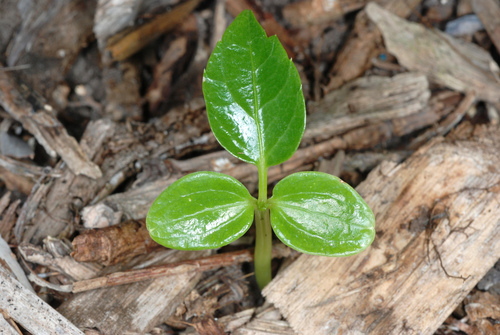
The Octopus Tree is a popular tropical houseplant known for its large, glossy, palm-like leaves arranged in a circular pattern. It contains insoluble calcium oxalate crystals that can cause irritation if ingested by pets.
Potentially toxic for cats & dogs.
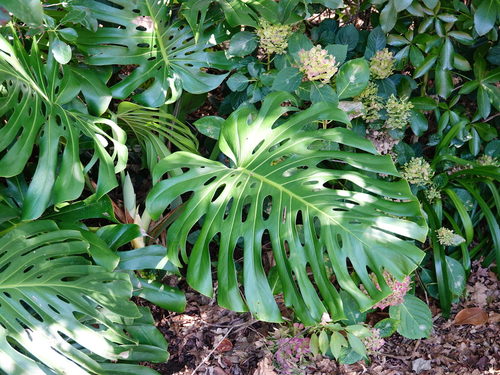
Monstera deliciosa is a popular tropical houseplant known for its large, fenestrated leaves and vining growth habit. It contains insoluble calcium oxalate crystals that can cause irritation if ingested by pets.
Potentially toxic for cats & dogs.